Guinea's electricity export to sub-region countries is driven by multiple factors, including production surplus, regional cooperation agreements, and a desire to strengthen energy integration. The country's electricity production capacity exceeds its domestic demand, particularly during the rainy season. As a result, Guinea exports surplus energy to neighboring countries, including Senegal.
The export of electricity by Guinea is also influenced by contractual obligations with partner countries. During the construction of two hydroelectric dams, political and contractual commitments were made to commercialize 30% of the produced energy outside of Guinea. This commitment is part of a broader cooperation and energy partnership between sub-region countries.
Another key factor driving Guinea's electricity export is the seasonal variation in production. The country experiences two distinct hydrological periods, with significant water inflows during the rainy season and decreased water availability during the dry season. Exporting surplus energy during the rainy season allows Guinea to maximize the use of its hydroelectric resources.
The creation of a regional electricity market has facilitated energy exchanges between member countries, enabling them to balance periods of surplus and deficit. This market has also promoted solidarity and cooperation among countries, allowing them to support each other during periods of energy shortages.
Guinea's electricity export is not limited to a single country. The country has established cooperation agreements with several neighboring countries, including Senegal. When Senegal faces an energy deficit, it can request electricity supplies from Guinea, and vice versa.
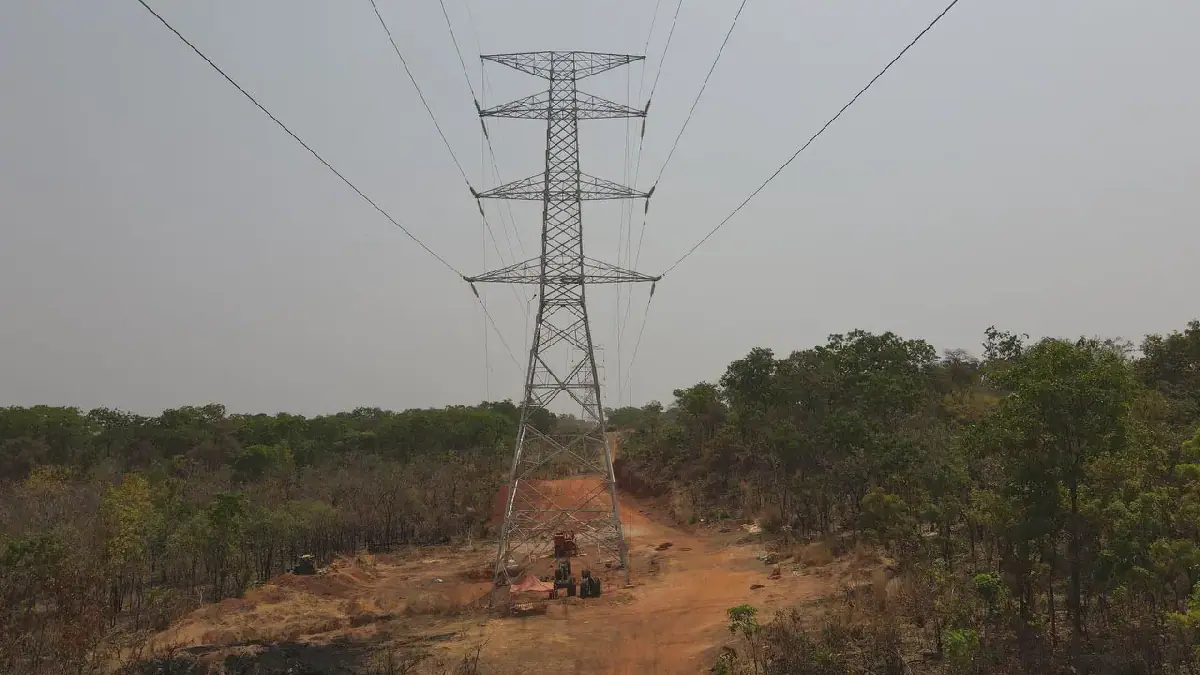
The export of electricity by Guinea has contributed to the electrification of several cities within the country, including Boké, Labé, Pita, Dalaba, Mali, and Nzérékoré. The interconnection projects, such as OMVG and CLSG, have not only facilitated cross-border trade but also improved access to electricity for local populations.
In conclusion, Guinea's electricity export to sub-region countries is driven by a combination of factors, including production surplus, contractual obligations, and regional cooperation agreements. The export of electricity has enabled Guinea to maximize the use of its hydroelectric resources, strengthen energy integration, and promote solidarity among countries in the sub-region.
Key points
- Guinea exports electricity to neighboring countries due to production surplus and regional cooperation agreements.
- The country's electricity export is driven by contractual obligations with partner countries.
- The creation of a regional electricity market has facilitated energy exchanges between member countries.