The Guinean government has taken a significant step in strengthening its military strategy and commitment to humanitarian law with the establishment of the École de Guerre de Guinée (Guinea War School). The school's creation, decreed on September 29, 2026, aims to institutionalize excellence in military education, focusing on the integration of international humanitarian law (IHL) into the country's military strategy. This development has been welcomed as a major advancement in Guinea's defense architecture.
The creation of the War School builds on Guinea's existing commitment to IHL. The country ratified the four Geneva Conventions of August 12, 1949, and their additional protocols on July 11, 1984. Furthermore, Guinea has established a Bureau for IHL within its armed forces, created by decree in 1994, and reinforced by a code of conduct for defense forces in 2011. The new War School will provide a platform to promote and teach IHL, ensuring that military personnel understand the laws of war and their importance.
The War School is designed to provide elite training for officers assuming high-level command and staff responsibilities. The school will equip military leaders with the skills to develop, implement, and execute defense policies, ensuring a strategic vision that balances military tactics with ethical and legal responsibility. This approach will enable Guinean military leaders to make informed decisions that respect humanitarian law and promote a culture of accountability.
The establishment of the War School also offers opportunities for regional cooperation and collaboration. The school may host military personnel from neighboring countries, promoting interoperability, sharing experiences, and harmonizing military doctrines around shared standards of professionalism and human rights. This approach will strengthen regional security and enhance the capacity of West African militaries to respond to common challenges.
The creation of the War School reflects a broader commitment to promoting good practices and operational discipline within Guinea's military. By integrating IHL and code of conduct principles into the school's curriculum, the Guinean government aims to foster a culture of respect for humanitarian law and human rights within its armed forces. This approach will contribute to more effective and responsible military operations.
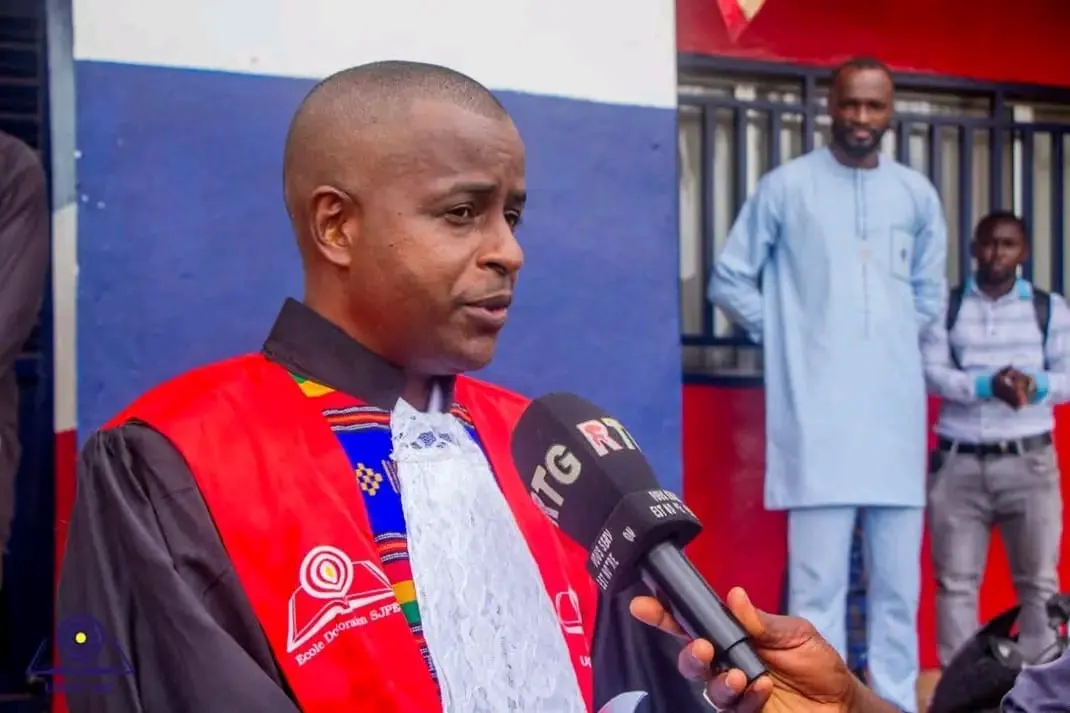
According to Thierno Hassane Barry, a doctor of public law with a specialty in international humanitarian law, the establishment of the War School demonstrates Guinea's commitment to anchoring humanitarian law in its military strategy. The school will provide a platform for promoting IHL and ensuring that military personnel understand the importance of respecting the laws of war. This development has been welcomed as a positive step towards strengthening Guinea's defense architecture and promoting regional cooperation.
The War School's establishment has significant implications for Guinea's military and regional security. The school will provide a hub for military education and training, promoting a culture of excellence and accountability within the Guinean military. By integrating humanitarian law into its curriculum, the school will also contribute to more effective and responsible military operations, both within Guinea and in the wider region.
Key points
- The École de Guerre de Guinée aims to integrate humanitarian law into military strategy, promoting a culture of accountability and respect for human rights within Guinea's armed forces.
- The school will provide elite training for officers assuming high-level command and staff responsibilities, equipping them with the skills to develop and implement defense policies that respect humanitarian law.
- The establishment of the War School offers opportunities for regional cooperation and collaboration, promoting interoperability and sharing experiences among West African militaries.