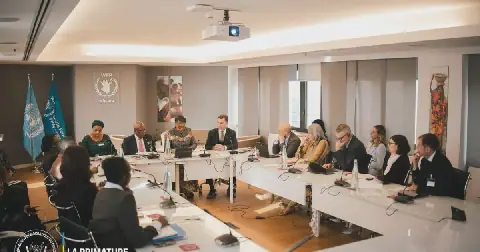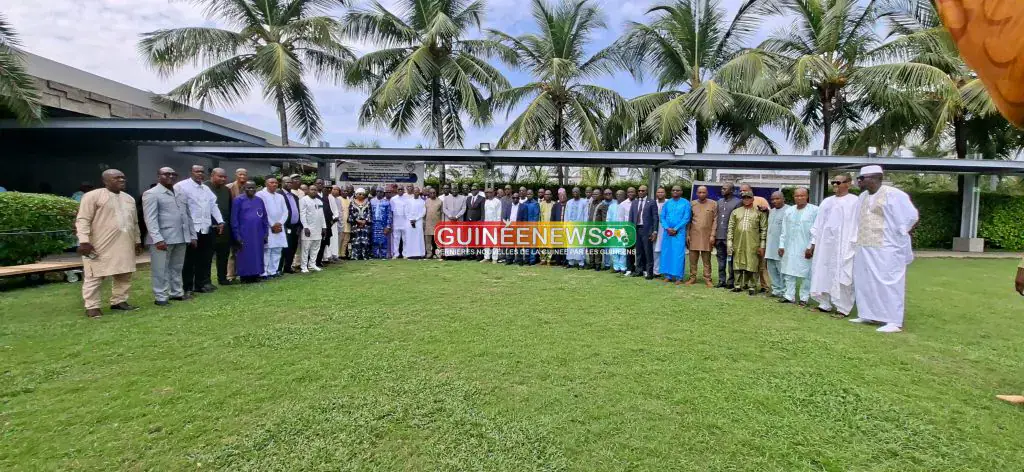
The General Directorate of Elections (DGE) in Guinea has launched a two-day workshop to enhance the capacity of judicial actors in handling electoral disputes ahead of the November 29 regional elections. The training, which started on November 20, brings together magistrates and court clerks from the Conakry and Kankan courts of appeal. This initiative aims to consolidate gains, harmonize judicial practices, and provide clarity on the interpretation of the Electoral Code.
The training focuses on key areas such as the competence of jurisdictions, admissibility of appeals, procedural deadlines, administration of evidence, and drafting of court decisions. DGE Director General, Mohamed Ali Condé, emphasized the crucial role of judges in ensuring the credibility of the electoral process. He stressed that a democratic election is not only about mobilizing voters or technical organization but also about trust in institutions that interpret the law in case of disputes.
Mohamed Ali Condé called for a clear complementarity between the electoral administration and the judiciary, ensuring that their collaboration does not lead to confusion of roles. He assured the judicial authorities of the DGE's full availability to facilitate their access to necessary information and technical elements for examining disputes. However, he cautioned against rushing into decisions, emphasizing that speed should not compromise the legal quality of judgments.
Ousmane Diaby, representing the facilitators, highlighted the importance of the magistrates' mission, noting that the fate of an election lies in their hands. He reminded them that they are not just automated judges but rather magistrates responsible for ensuring the sincerity of electoral operations. Diaby emphasized that the annulment of a poll should only be considered if irregularities are severe enough to undermine the sincerity of the vote.
The Supreme Court's representative, Ibrahima Sory 1 Tounkara, conveyed the court's encouragement for initiatives that strengthen the competencies of judicial actors. He stressed that the electoral judge has a particularly demanding mission to dispense justice with independence, impartiality, speed, and rigor, without yielding to particular interests or external pressures.
The workshop will cover eight main areas, including the legal framework for regional elections, disputes related to candidatures, electoral campaigns, voting operations, and result centralization. Participants will engage in case studies, simulated hearings, and group work, aiming to formulate operational recommendations for concerned jurisdictions to better handle potential disputes related to the November 29 elections.
The training is expected to enhance the capacity of magistrates and court clerks to handle electoral disputes efficiently and effectively, contributing to a peaceful and credible electoral process in Guinea. The DGE's efforts to strengthen the judicial actors' competencies reflect the importance of trust and transparency in the electoral process.
Key points
- The training aims to enhance the capacity of judicial actors in handling electoral disputes ahead of the November 29 regional elections in Guinea.
- The DGE Director General emphasized the crucial role of judges in ensuring the credibility of the electoral process.
- The workshop will cover eight main areas related to electoral disputes, including the legal framework for regional elections and disputes related to candidatures.