The education sector in Guinea is facing a major crisis just two weeks before the start of the new school year, scheduled for October 5. The Intersyndicale de l'Éducation, a coalition of teacher unions, has denounced the government's failure to fulfill its commitments, including the recruitment of contract teachers and the payment of blocked salaries. The unions have threatened to paralyze the pre-university education sector nationwide if their demands are not met.
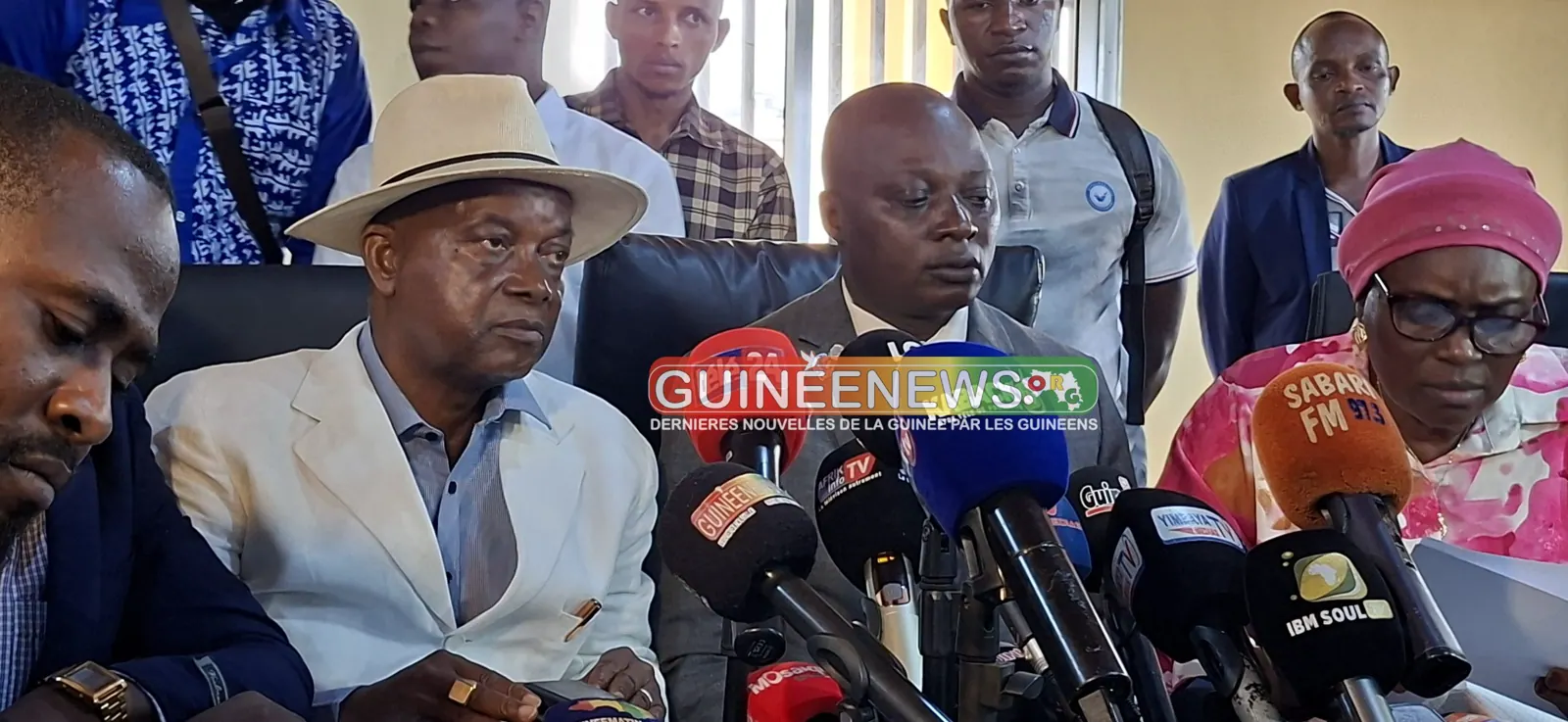
At a press conference held on September 21, the leaders of the SLECG, SNE, and FSPE unions expressed their disappointment and frustration with the government's actions. They accused the authorities of unilaterally reneging on the terms of an agreement signed on January 3, which prioritized the recruitment of community contract teachers who had passed practical evaluations. The unions claim that the government has instead opted for a new recruitment process, which they see as unfair.
The Secretary General of the SLECG, Kadiatou Bah, has expressed her bitterness over the government's actions, which she describes as a breach of trust. She emphasized that the contract teachers in question had already completed all administrative and pedagogical requirements, including registration, biometric identification, and practical classroom assessments. Bah warned that if the situation is not rectified, the new school year may not start on time in several regions.
The FSPE Secretary General, Algasimou Barry, has also spoken out about the plight of teachers, who have not received their salaries since 2024. He described the situation as inhumane and unjustifiable, highlighting the impact on teachers and their families. Barry emphasized the crucial role of education in the country's development and lamented the lack of consideration shown to the teaching profession.
The Intersyndicale de l'Éducation has issued an ultimatum, warning that if their demands are not met, they will resort to strike action. While the strike was suspended after negotiations in December and January, the unions are now threatening to revive it. Barry emphasized that the strike will be peaceful, with teachers staying home rather than taking to the streets.
The unions are calling on the government to take immediate action to address their concerns. They are demanding the recruitment of contract teachers, the payment of blocked salaries, and a resolution to the precarious situation faced by teachers. If the government fails to act, the new school year may begin with empty classrooms across the country.
The situation has sparked concerns about the impact on the education sector and the country's development. The government is under pressure to respond to the unions' demands and find a solution to the crisis.
Key points
- The Guinea education sector is on the brink of a crisis due to unpaid salaries and unfulfilled promises to teachers.
- Teacher unions have threatened to strike if their demands are not met, which could disrupt the start of the new school year.
- The government is under pressure to respond to the unions' demands and find a solution to the crisis.