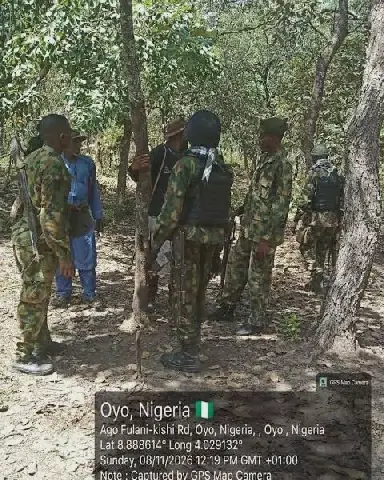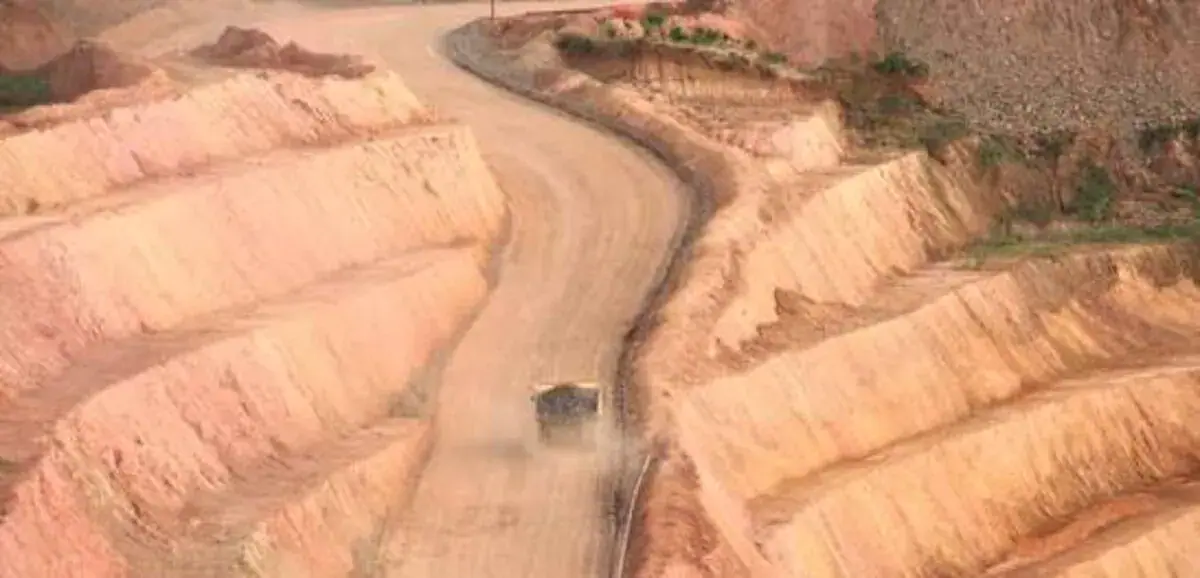
The Guinean authorities have launched a major crackdown on illegal gold mining in the Siguiri region, resulting in the arrest of 1,263 people, including nationals from six other African countries. The arrests were made in a bid to curb the rampant exploitation of gold in the region, which has been plagued by environmental degradation and pollution. Those arrested have been transferred to Conakry for judicial proceedings.
The crackdown, which began after the total ban on anarchic and clandestine gold exploitation in Siguiri took effect on November 2, targets not only miners but also local officials accused of complicity. A total of 22 administrators, including the interim regional governor, four prefects, and 17 sub-prefects, have been dismissed from the civil service. Additionally, 479 district and neighborhood presidents have been sacked and placed at the disposal of the justice system.
The arrested individuals are currently being questioned by judicial police and gendarmerie before being presented to competent courts. The authorities have assured that their rights and dignity will be respected throughout the process. The crackdown has sparked a significant movement of people towards neighboring Mali, with Bamako reporting that it has hosted around 160,000 people expelled from Guinea since the beginning of the campaign.
The situation in Mali has been described as an humanitarian emergency, with six reported deaths. Guinea's rich mineral resources have made it a hotspot for artisanal gold mining, which has resulted in severe environmental consequences, including soil degradation and water pollution. The government has vowed to put an end to these practices and has promised to prosecute anyone found to be exploiting the country's mineral resources illegally.
The campaign against illegal gold mining is ongoing in several other Guinean prefectures, including Mandiana, Kérouané, and Kouroussa. The authorities have been working to combat the problem, which has also affected neighboring countries. Burkina Faso, for example, has repatriated thousands of its citizens working in Guinea's gold mines.
The Guinean government's efforts to regulate the gold mining sector have been welcomed by environmental groups and local communities. However, the crackdown has also raised concerns about the impact on local livelihoods and the need for sustainable alternatives. As the situation continues to unfold, the international community is watching closely to see how Guinea balances its economic interests with environmental and social responsibility.
The issue of illegal gold mining is a complex one, requiring a comprehensive approach that addresses the root causes of the problem. Guinea's experience highlights the challenges faced by many African countries in managing their natural resources and the need for effective regulation and enforcement. The outcome of Guinea's crackdown on illegal gold mining will likely have implications for the region and beyond.
Key points
- Over 1,200 people arrested in Guinea's crackdown on illegal gold mining
- The arrests include nationals from seven countries, highlighting the regional nature of the problem
- The crackdown has sparked a significant humanitarian crisis, with thousands displaced and several reported deaths