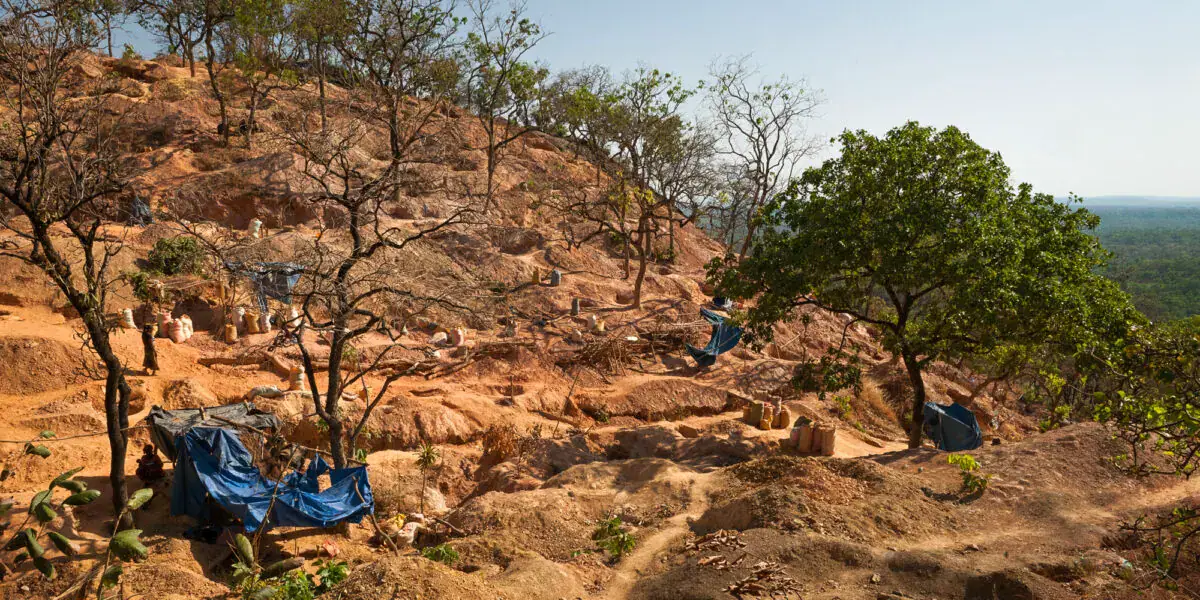
The government of Guinea has announced a ban on artisanal gold mining in the Siguiri region, a major gold-producing area in the north-east of the country. The decision, made on November 2, 2026, was made in response to concerns over environmental degradation and safety risks associated with the mining activities. The ban was announced through a joint communiqué by five government ministries, including those responsible for mines, environment, and defense.
The Siguiri region, located on the border with Mali, has become a major attraction for gold seekers from Guinea and other West African countries, including Burkina Faso, Mali, Ghana, Benin, and Senegal. The region's gold deposits, particularly in the Bouré area, have led to a surge in artisanal mining activities, often carried out clandestinely. However, the government has expressed concerns over the environmental impact of these activities, including soil degradation, water pollution, and the use of hazardous chemicals such as cyanide and mercury.
According to the government, the ban is aimed at protecting human lives, the environment, and ensuring that mining activities conform to the country's laws and principles of sustainable development. The decision has been enforced by the deployment of defense and security forces in the region, who will work to prevent the smuggling of heavy machinery and other materials used in illegal mining activities. The government has also announced an operation to verify the identity and regularity of stay of people present in the mining areas.
Despite claims on social media that the ban is targeting Burkinabé nationals, the government has denied that the measure is aimed at any specific nationality. The authorities have emphasized that the ban is a necessary measure to regulate the mining sector and prevent further environmental degradation. The government has also reassured that the operations are being carried out in accordance with the country's laws and regulations.
The Siguiri region has a long history of gold mining, with industrial mining activities carried out by AngloGold Ashanti Guinea, a subsidiary of the multinational mining company AngloGold Ashanti. However, artisanal mining has become increasingly prevalent in recent years, with many small-scale miners operating in the region. The government has stated that it is committed to supporting the mining sector, but in a way that ensures environmental and social responsibility.
This is not the first time that the government has taken measures to regulate artisanal mining in the Siguiri region. In 2024, the authorities suspended gold mining activities in the area, citing concerns over environmental degradation and the need to protect agricultural land. The current ban is seen as part of a broader effort to ensure that the country's natural resources are exploited in a sustainable and responsible manner.
The government's decision to ban artisanal gold mining in the Siguiri region has been welcomed by environmental groups and local communities, who have long expressed concerns over the impact of mining activities on the region's ecosystem and public health. The ban is seen as a positive step towards ensuring that the country's mining sector is developed in a way that benefits local communities and protects the environment.
Key points
- The ban on artisanal gold mining in the Siguiri region is aimed at protecting the environment and ensuring that mining activities conform to the country's laws and principles of sustainable development.