Guinea is commemorating the 68th anniversary of its independence, achieved on October 2, 1958, after years of struggle led by the labor movement. Ahmed Sékou Touré, a prominent syndicalist, played a crucial role in the country's fight for freedom. As the first Secretary General of the Guinea Workers' Union (USTG), Touré spearheaded the movement that ultimately led to Guinea's independence. His efforts began in 1945 when he formed the Guinea Workers' Union, which later became a powerful force in the country's quest for self-rule.
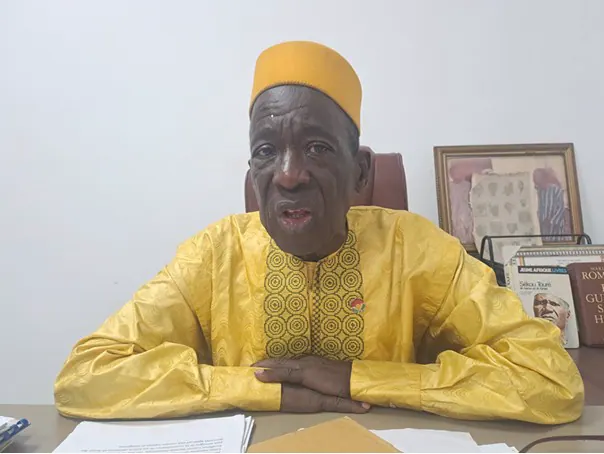
Elhadj Ousmane RDA SYLLA, President of the National Union of Elderly and Retirees of Guinea, reflected on the significance of the labor movement in Guinea's independence. In an interview, SYLLA highlighted Touré's leadership and the formation of the USTG, which became a pivotal moment in the country's history. The union's efforts led to improved working conditions and promoted democracy, ultimately contributing to Guinea's independence. SYLLA emphasized that the labor movement was not only focused on workers' rights but also aimed to accelerate the country's liberation and promote democracy.
The labor movement in Guinea gained momentum with the establishment of the Union Générale des Travailleurs d'Afrique Noire (UGTAN) in 1949. Touré, as the Deputy Secretary General of UGTAN, played a key role in the organization's efforts to unite workers across Africa. The UGTAN's initiatives, including strikes and protests, drew attention to the plight of workers in Guinea and other African countries. These actions helped galvanize support for the independence movement, with Touré emerging as a prominent leader.
One notable example of the labor movement's impact was the 1953 general strike by railway and dock workers, which lasted for three months. The strike, led by Touré, resulted in significant improvements in working conditions and salaries for workers. SYLLA noted that the strike was a defining moment in Guinea's history, demonstrating the power of collective action and the determination of workers to fight for their rights.
The labor movement's influence extended beyond the workplace, as it helped shape Guinea's national identity and inform its values. The country's motto, "Work, Justice, Solidarity," reflects the principles of the labor movement, which emphasized the importance of solidarity, justice, and hard work. SYLLA stressed that the motto is deeply rooted in Guinea's history and serves as a reminder of the country's struggle for independence.
As Guinea celebrates its 68th independence anniversary, the legacy of Ahmed Sékou Touré and the labor movement continues to be felt. The country's progress since independence has been marked by challenges and achievements, but the role of the labor movement in shaping Guinea's history remains a source of pride. SYLLA's reflections on the labor movement's significance serve as a testament to the enduring impact of Touré's leadership and vision.
In conclusion, Guinea's independence anniversary serves as an opportunity to reflect on the country's history and the role of the labor movement in achieving freedom from colonial rule. The legacy of Ahmed Sékou Touré and the labor movement continues to inspire and inform Guinea's development, as the country looks to the future while honoring its past.
Key points
- The labor movement, led by Ahmed Sékou Touré, played a crucial role in Guinea's independence, achieved on October 2, 1958.
- The country's motto, "Work, Justice, Solidarity," reflects the principles of the labor movement and its emphasis on solidarity, justice, and hard work.
- Elhadj Ousmane RDA SYLLA, President of the National Union of Elderly and Retirees of Guinea, highlighted the significance of the labor movement in Guinea's history and its ongoing impact.