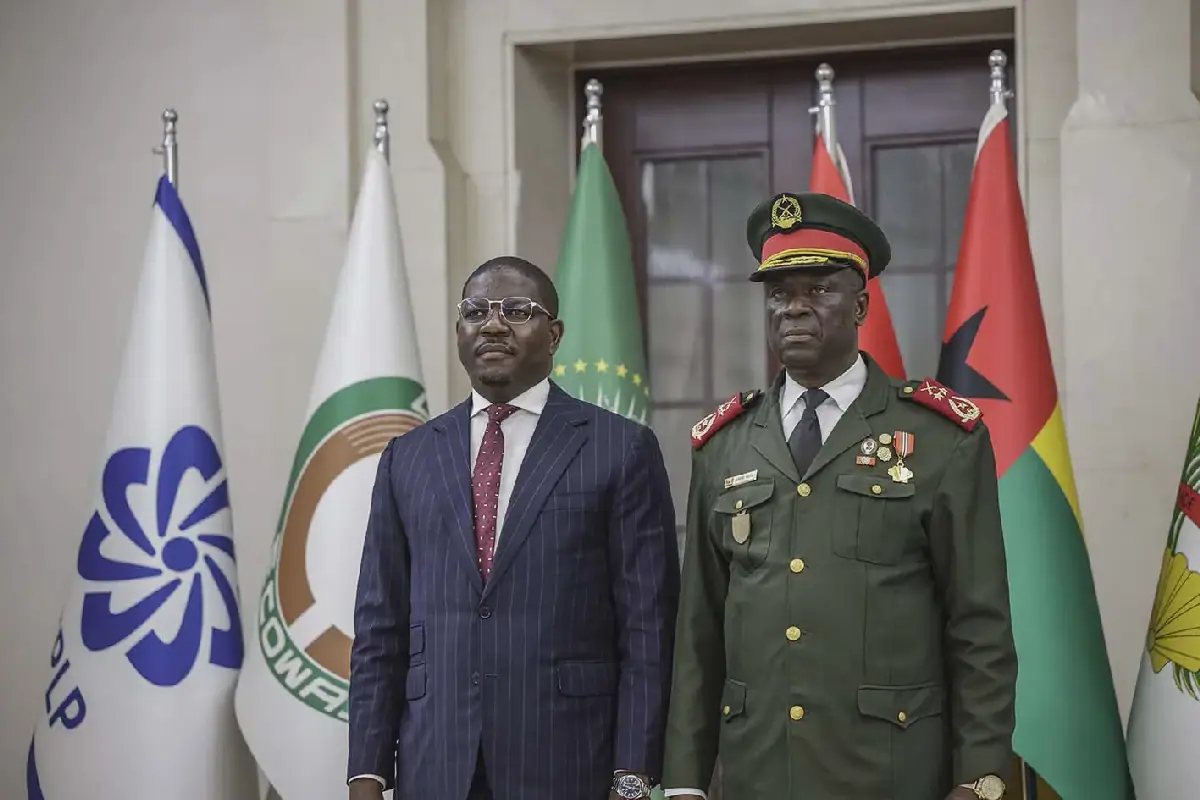
The military government in Guinea-Bissau has announced the postponement of the presidential and legislative elections, initially scheduled for December 6, 2026, to November 26, 2028. According to a presidential decree, the decision was made due to insufficient technical, material, and financial conditions necessary for the elections. The decree was signed by the head of state and president of the Transition, General Horta N'Tam.
The military authorities also cited the need to guarantee the legality, transparency, inclusion, and credibility of the electoral process. Additionally, they emphasized the importance of organizing the country's first municipal elections in 2027 to institutionalize local powers. This announcement comes on the first anniversary of the military's takeover, which occurred on November 26, 2025, when they overthrew President Umaro Sissoco Embalo and suspended the electoral process.
The decision to postpone the elections has been made amid concerns about the country's stability and the military's commitment to returning power to civilians. Guinea-Bissau has experienced several coups and attempted coups since gaining independence from Portugal. The country has a history of political instability, with four coups and multiple attempted putsch attempts since 1974.
In August 2026, the transitional authorities organized a constitutional referendum, which transitioned the country to a strong presidential regime, replacing the semi-parliamentary system. The opposition had called for a boycott of the referendum, with the Paigc party, which led the country to independence, denouncing the organization of the referendum in a context of restricted public freedoms.
The postponement of the elections has raised concerns among the international community and the country's citizens. The military government's decision has been seen as a setback for the country's democratic process. Guinea-Bissau's neighbors and international partners have been closely watching the country's developments, given its strategic location in West Africa.
The country's new presidential decree sets a new date for the elections, which will now take place on November 26, 2028. The military government has emphasized its commitment to organizing free and fair elections, but concerns remain about the country's ability to ensure a smooth transition to civilian rule.
The international community has been following the developments in Guinea-Bissau closely, with the Economic Community of West African States (ECOWAS) playing a key role in promoting stability and democracy in the region. The organization's chairman, Yankhoba Diémè, has advocated for regional mechanisms for collective security, highlighting the need for cooperation among member states to address common challenges.
Key points
- The military government in Guinea-Bissau has postponed the presidential and legislative elections to November 26, 2028, citing technical, material, and financial constraints.