The military council of Guinea-Bissau has announced a two-year postponement of the presidential and legislative elections, initially scheduled for next month, to November 26, 2028. According to a presidential decree, the decision was made due to insufficient technical, material, and financial conditions necessary for the elections. The council emphasized the need to ensure the legitimacy, transparency, inclusivity, and credibility of the electoral process.
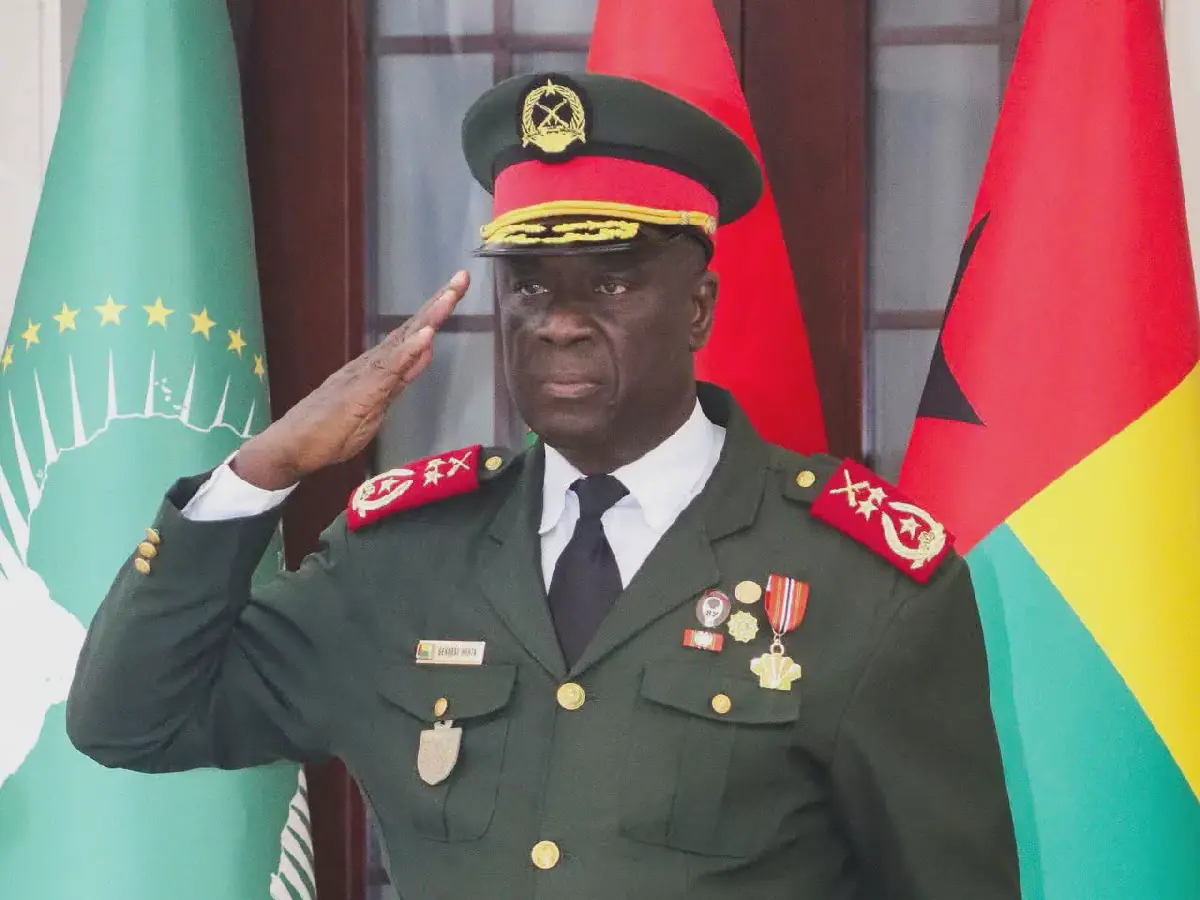
The decision was made by General Horta Ntamo, head of the military council and transitional president. He stated that the country needs to establish local government institutions through the first municipal elections in its history. An electoral census is required, along with a new electoral map, which will reduce the number of electoral districts from 29 to 12 and the number of parliamentary members from 102 to 65.
General Ntamo described the transition period so far as positive, but acknowledged that required reforms to address challenges will take more time and resources than initially planned. The military council had previously set December 6, 2026, as the election date, aiming to return Guinea-Bissau to civilian rule after the military takeover a year ago.
The military coup occurred on November 26, 2025, on the eve of the preliminary results announcement for the presidential and legislative elections. The coup ousted President Umaro Sissoco Embaló, with many suspecting he orchestrated the coup to prevent losing the elections. Guinea-Bissau, a small Portuguese-speaking country between Senegal and Guinea, has experienced five military coups and several coup attempts since gaining independence from Portugal in 1974.
The country's instability has raised concerns about its ability to hold free and fair elections. The military council's decision to postpone the elections has sparked debate among citizens, politicians, and international observers. The international community has urged Guinea-Bissau to return to civilian rule and ensure a smooth transition.
The postponement of the elections has significant implications for Guinea-Bissau's future. The country's political landscape is expected to undergo changes, with potential shifts in alliances and power dynamics. The delay may also impact the country's economic development and stability, as investors and international partners await a return to democratic governance.
The military council's decision has been met with mixed reactions from citizens and international partners. While some have expressed understanding for the challenges facing the country, others have raised concerns about the delay and its potential consequences. The situation in Guinea-Bissau remains uncertain, with many awaiting the outcome of the postponed elections and the country's future trajectory.
Key points
- The military council of Guinea-Bissau has postponed the presidential and legislative elections to November 26, 2028, citing technical, material, and financial constraints.