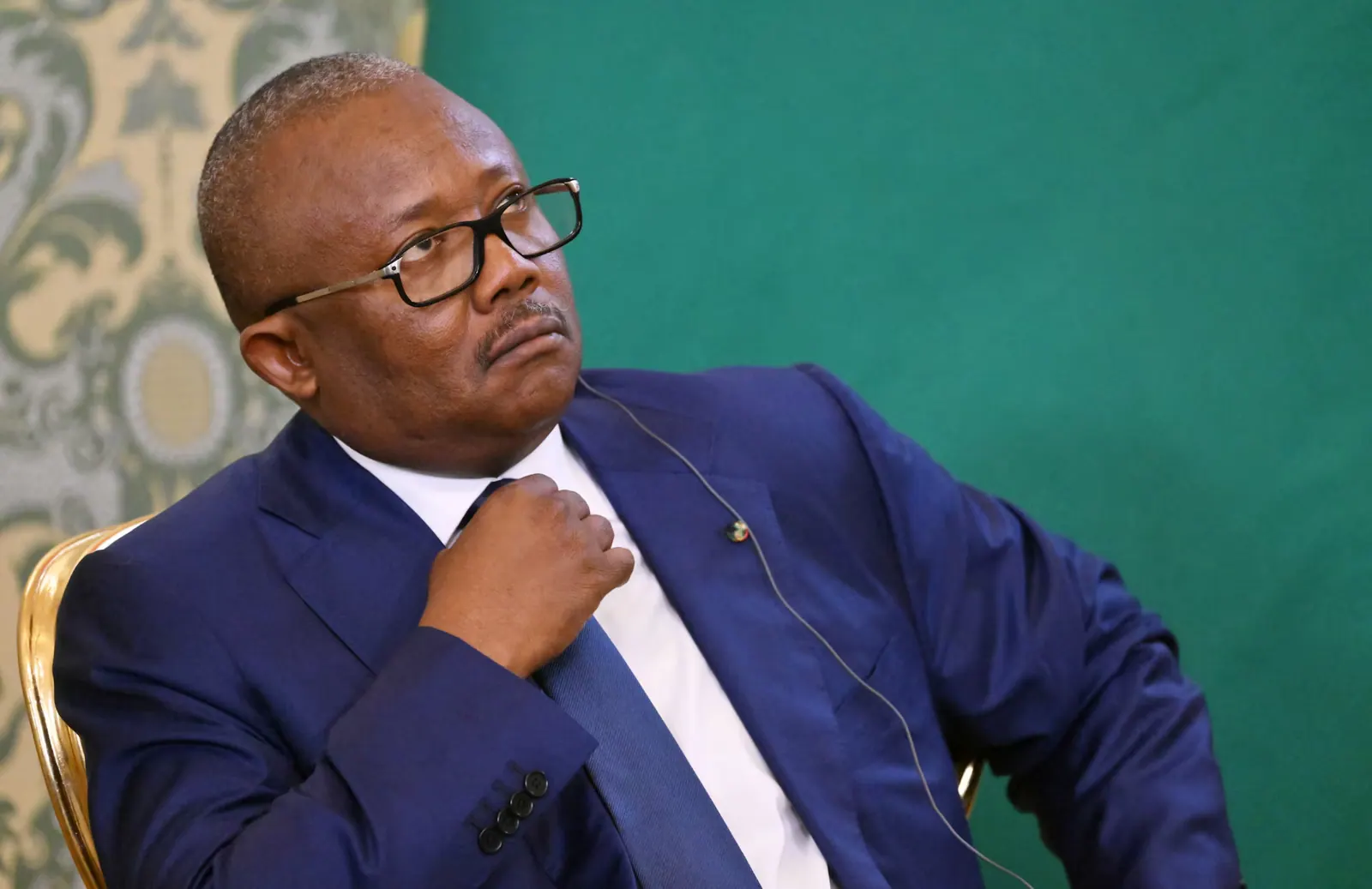
Guinea-Bissau's ruling junta has announced that it will not allow exiled former president Umaro Sissoco Embalo to return to the country from Morocco due to security concerns. Embalo has been living in exile in Morocco since his ouster in November 2025. The junta's decision came days after Embalo announced plans to return to Guinea-Bissau and run in a presidential election scheduled for December 6.
The junta's decision was based on an analysis of the national situation and the current security environment. The military high command stated that the necessary security conditions were not met to guarantee Embalo's return to national territory. The move was framed strictly around public order, with the junta emphasizing that it was based exclusively on grounds of national security, preservation of public order, and prevention of situations likely to compromise social stability and tranquility.
The decision marked a reversal from earlier remarks by General Horta N'Tam, the transitional president and head of the junta. N'Tam had stated that every Guinean was free to return to their country if they had nothing to be ashamed of. Embalo had responded by confirming his candidacy despite the ban and appealed to the courts to review his candidacy with impartiality and independence.
Embalo was overthrown on November 26, 2025, one day before provisional results of the presidential and legislative vote were to be announced. He and the opposition candidate had both claimed victory. Many observers suspected Embalo of orchestrating the coup to halt an election he appeared to be losing, while the military justified its takeover by citing a plot to destabilize the country involving drug lords.
Tensions have since resurfaced inside the security apparatus, with authorities urging calm after social media accounts reported discontent within the presidential guard. Analysts have questioned the legal grounds for blocking Embalo's return, with political analyst Malam Cisse stating that nothing stood in the way of Embalo's return to Guinea-Bissau.
The junta has reshaped the political system since seizing control, with voters approving a new constitution in August that shifted the country from a semi-parliamentary model to a strong presidential regime. The opposition had urged a boycott, denouncing a vote held in a context of restriction of public freedoms.
The junta's decision has raised concerns about the December timetable, and it is unclear whether it will affect the presidential election. Guinea-Bissau has experienced five coups and numerous attempted putsches since independence from Portugal in 1974, and its poverty and chronic instability have made it a transit hub for cocaine trafficking between Latin America and Europe.
Key points
- The junta's decision to block Embalo's return was based on security concerns.
- Embalo had planned to return to Guinea-Bissau and run in the presidential election.
- The junta's decision has raised concerns about the December timetable.