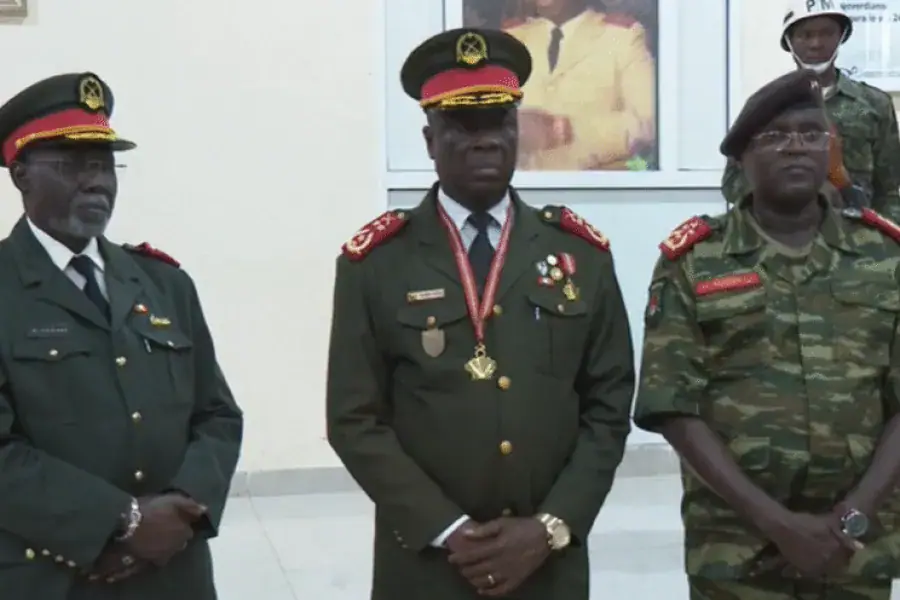
The military leadership in Guinea-Bissau has announced a partial easing of political restrictions imposed since taking power in November 2025. According to a press release dated November 5, 2026, the High Military Command for the Restoration of National Security and Public Order has authorized internal meetings of legally constituted political parties. This decision cites an improvement in the national security situation and the need to ensure the normal functioning of political organizations.
The new measures allow parties to organize internal meetings, consultations, assemblies, and congresses, provided these activities take place in predefined locations and are communicated to the competent authorities. However, the ban on public demonstrations, marches, and political rallies remains in place. The military command emphasizes that political leaders and parties must respect legal provisions and security guidelines, refraining from acts that could encourage violence, tribalism, or clashes.
The easing of restrictions is a gradual measure and does not imply a general lifting of previously imposed limitations. The military had seized power on November 26, 2025, suspending institutions and halting the electoral process after a presidential election. They had also prohibited demonstrations, strikes, and gatherings deemed a threat to peace and stability. The African Union's Peace and Security Council had expressed concerns on October 1, 2026, about the restrictions on civic and political space.
The restrictions had included the closure of some party headquarters and limitations on freedoms of assembly and expression. The African Union had called on the transitional authorities to restore civic and political rights. The new arrangements will take effect on November 24, 2026. The military leadership warned that any violation of the established measures could lead to intervention by competent authorities and individual prosecution.
The decision reflects an evolution in the country's security situation and an effort to balance security concerns with the need for political activity. The military rulers had initially imposed strict controls on public gatherings and political activities following their takeover. The partial easing of restrictions may help alleviate some of the tensions that arose from the limitations on political freedoms.
The situation in Guinea-Bissau has been closely watched by regional and international organizations. The country's political landscape has been marked by instability and controversy, including disputes over electoral processes and the role of the military in politics. The African Union and other stakeholders have been urging a return to democratic norms and the restoration of full political rights.
The military's announcement may be seen as a step towards accommodating demands for greater political freedom while still maintaining a level of control. The coming weeks will be crucial in determining how the new measures are implemented and how they affect the country's political dynamics. The international community will likely be monitoring the situation closely.
Key points
- The military leadership in Guinea-Bissau has partially eased political restrictions.
- Internal meetings of legally constituted parties are now allowed.
- Public demonstrations and rallies remain banned.
Reporting sources
- Guinée-Bissau : assouplissement des... · Maliweb.net