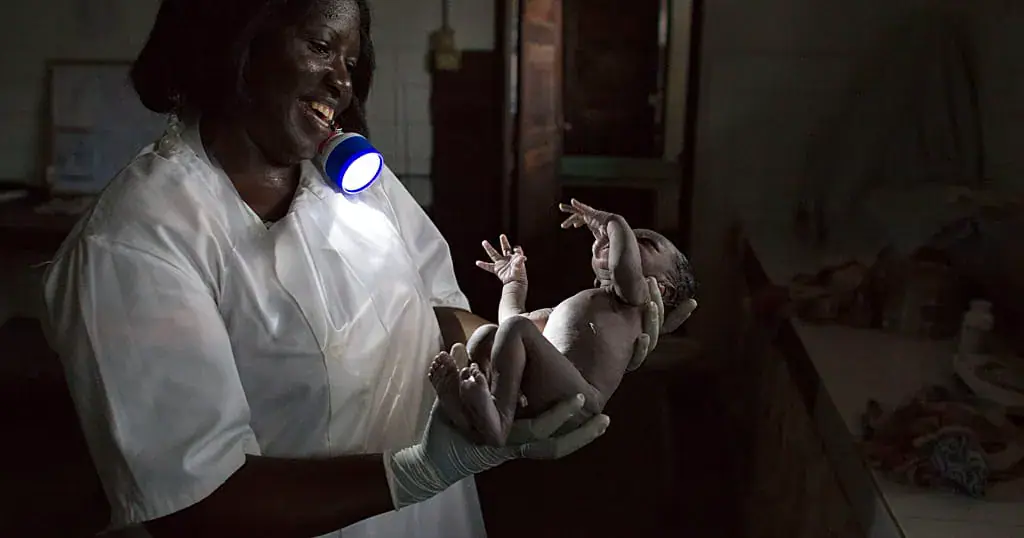
The government of Guinea-Bissau has cancelled a proposed hepatitis B vaccine trial on newborn babies following widespread international criticism that it was unethical and potentially exploitative. The trial, funded by the US under Health Secretary Robert F. Kennedy Jr., planned to involve 14,000 newborns. Half of the infants were to receive the vaccine, while the other half would have been denied the shot despite World Health Organization (WHO) recommendations.
The WHO recommends that all babies receive the hepatitis B vaccine at birth and a booster dose, which provides years of protection. Infants are at the greatest risk of being chronically infected with hepatitis B, typically passed on from mother to baby. Withholding the vaccine could expose babies to infection in a country where nearly one in five people has hepatitis B. Health experts warned that the trial was unethical and could lead to long-term liver damage and liver cancer.
The government of Guinea-Bissau had previously prohibited vaccine trials involving children. The move to cancel the trial comes after police seized a batch of vaccines from the research centre at the centre of the controversy. The US-funded trial was met with scepticism due to Kennedy's long record of expressing scepticism about vaccines. Critics argued that the trial was not necessary and could undermine trust in vaccines.
Hepatitis B is a serious disease with no cure, causing long-term liver damage and liver cancer. The infection is typically passed on from mother to baby during childbirth. In Guinea-Bissau, nearly 20% of the population has hepatitis B, making it a significant public health concern. The WHO has recommended vaccination as a key strategy for controlling the disease.
The cancellation of the trial has been welcomed by health experts and critics who argued that it was unethical and potentially exploitative. The decision also highlights the need for careful consideration and consultation with international health authorities when planning vaccine trials. The WHO and other health organizations have emphasized the importance of vaccination in preventing the spread of hepatitis B.
Robert F. Kennedy Jr. has a long record of expressing scepticism about vaccines, which has been met with criticism from the scientific community. The US-funded trial in Guinea-Bissau was seen as an example of this scepticism. The cancellation of the trial may have implications for future vaccine trials in Guinea-Bissau and other countries.
The government of Guinea-Bissau has taken a strong stance against vaccine trials involving children. The cancellation of the US-funded trial demonstrates the country's commitment to protecting its citizens, particularly vulnerable populations such as newborns. The move also highlights the need for international cooperation and consultation in planning public health initiatives.
Key points
- The trial planned to involve 14,000 newborns, with half receiving the vaccine and the other half being denied the shot despite WHO recommendations.