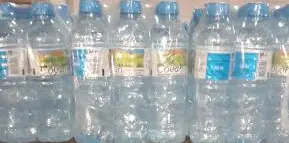
The Guinean government has taken a significant step towards reducing plastic waste by banning single-use plastics. As a result, refillable water bottles have become increasingly popular, replacing plastic sachets in many households, restaurants, and public places. The ban, which was implemented to mitigate the environmental impact of plastic waste, has been welcomed by many. However, concerns have been raised about the quality of water being sold in these refillable bottles.
Reports have emerged that some unscrupulous individuals are reusing empty bottles to sell water of questionable quality. According to Dr. Alphonse Sagno, a medical expert, some of these bottles are being filled with water from boreholes, wells, or pumps, which may contain harmful microorganisms or contaminants. This has raised concerns about the potential health risks associated with consuming such water.
Dr. Sagno has warned that consuming contaminated water can lead to serious health problems, including diarrhea, cholera, and typhoid fever. He has urged the public to exercise caution when purchasing water from refillable bottles, advising them to check the condition of the bottle and its contents before consumption. Additionally, he has recommended that people opt for sealed bottled water or sachet water from reputable sources.
The Guinean Press Agency has reported that the phenomenon of reused bottles is becoming increasingly common, particularly in urban areas. The agency has cited concerns from health experts, who warn that the lack of regulation and oversight in the water sector could lead to a public health crisis. The government has been urged to take action to address these concerns and ensure that the public has access to safe and clean drinking water.
In response to these concerns, Dr. Sagno has called on the government to intensify its efforts to regulate the water sector and ensure that all water products meet quality standards. He has also urged the public to be vigilant and report any instances of suspicious water sales to the authorities. The government has been urged to take a proactive approach to addressing these concerns and preventing a potential public health crisis.
The ban on single-use plastics is part of a broader effort to reduce waste and promote sustainable practices in Guinea. While the move has been welcomed by many, it has also highlighted the need for effective regulation and oversight in the water sector. The government has been urged to work with stakeholders to develop effective solutions to the challenges posed by the shift to refillable water bottles.
As the situation continues to unfold, the public is being advised to exercise caution when purchasing water from refillable bottles. The government has been urged to take action to address concerns over water quality and ensure that the public has access to safe and clean drinking water. The issue highlights the need for effective regulation and oversight in the water sector, as well as the importance of public awareness and education.
Key points
- Dr. Alphonse Sagno warns that reused bottles can contain harmful microorganisms or contaminants that can cause serious health problems.