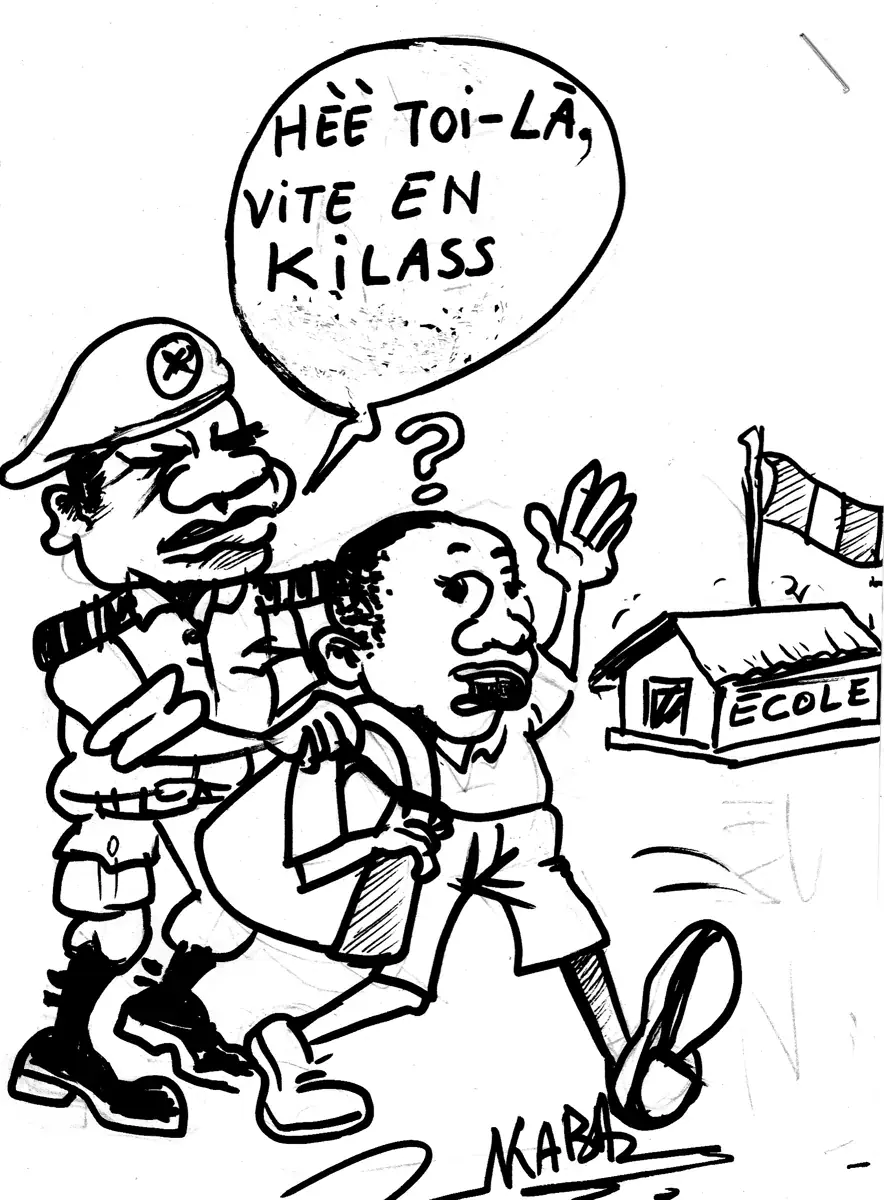
In a move to tackle the recurring presence of students in streets and inappropriate places during class hours, Conakry's judicial authorities have decided to enhance security measures. The initiative, led by the special prosecutor near the children's court, Cee Avis Gamy, aims to intensify patrols in the capital, focusing on areas around schools, hotels, leisure spots, and other places likely to host students during school hours. This effort seeks to prevent truancy and juvenile delinquency.
The decision has sparked reactions within civil society and parents' associations. Two prominent figures in the educational and social sectors, Ibrahim Aminata Diallo and Madani Diallo, shared their insights on the measure. Ibrahim Aminata Diallo, president of the Coalition nationale des associations pour la paix et le développement (CONAPAID), views the initiative as a preventive and protective measure for children. However, he cautions against relying solely on police interventions to address truancy.
Ibrahim Aminata Diallo emphasizes that truancy often stems from social, familial, economic, or pedagogical difficulties. He argues that a solely repressive approach may not resolve the issue and could lead to the criminalization of behaviors that require social and psychological support rather than penal justice. Diallo also stresses the importance of respecting children's rights during interventions, citing the need for specialized units and training for security forces involved.
Madani Diallo, coordinator of the Association des parents et amis de l'école dans la commune urbaine de Manéah, welcomes the initiative, believing it can help prioritize education. He notes that education has been somewhat neglected and that the authorities' decision can help mobilize stakeholders around this issue. Diallo also suggests that authorities and schools should consider the realities faced by some students, such as long distances to school, transportation difficulties, or health issues.
On the question of children's rights, Madani Diallo advocates for sensitization to accompany control operations. He believes that children need guidance and education to understand the importance of attending school. Diallo emphasizes that while children's rights are crucial, it is also essential to educate them about the consequences of their actions and future prospects.
The effectiveness of the initiative, according to Madani Diallo, depends on the continuity of the authorities' efforts. He notes that in Guinea, such initiatives often face challenges in sustaining momentum. The coordinators and stakeholders stress the need for a collaborative approach involving parents, schools, and authorities to address truancy effectively.
Ultimately, stakeholders agree that addressing truancy requires a multifaceted approach that balances enforcement with social and psychological support. The enhanced security measures are a step towards mitigating the issue, but long-term success will depend on sustained efforts and collaboration among all stakeholders involved in the education and well-being of Guinea's children.
Key points
- Authorities in Guinea have enhanced security measures to combat truancy and juvenile delinquency.
- Civil society actors emphasize the need for a balanced approach that includes social and psychological support.
- The effectiveness of the initiative depends on sustained efforts and collaboration among stakeholders.