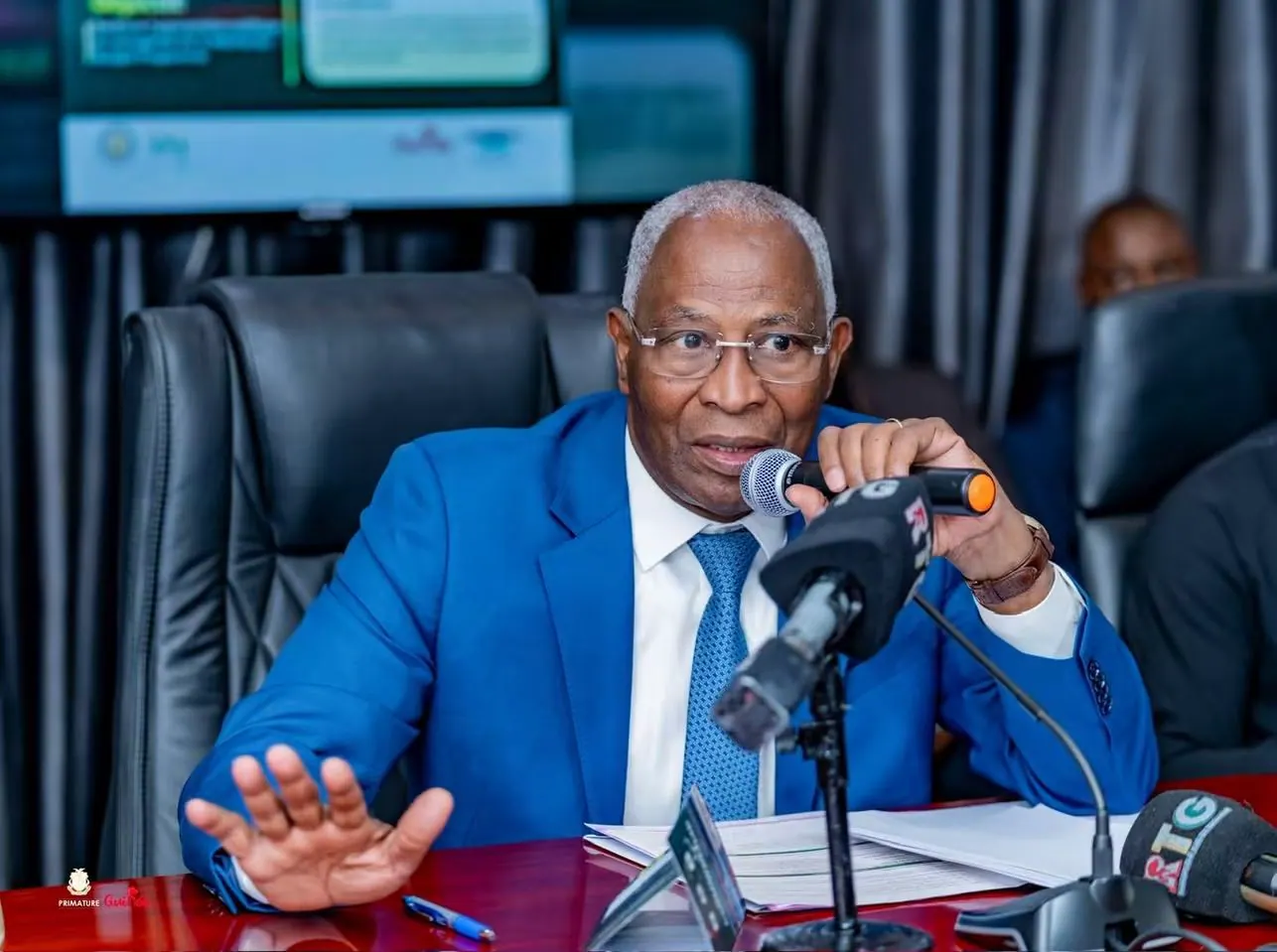
The Guinean government plans to complete its transition from a traditional budget to a program-based budget by the end of 2026. This move aims to enable all ministerial departments to operate under the new management system starting January 1, 2027. The goal was reaffirmed during a meeting on September 24, 2026, in Conakry, chaired by Prime Minister Amadou Oury Bah.
The program-based budget focuses on objectives, targets, and performance indicators, differing from the traditional budget that emphasizes the nature and volume of expenditures. According to the Prime Minister's office, the current discussions aim to finalize programs developed by various ministerial departments, ensure coherence, and prepare them for validation before transitioning to the new budget system.
Prime Minister Amadou Oury Bah emphasized the need for ministerial departments to align their actions with clearly defined public policies. This involves identifying priority projects, specifying funding sources, execution timelines, and expected outcomes. The reform seeks to enhance visibility into government actions and facilitate monitoring of public project execution.
The digitalization of budget management is crucial for the successful implementation of the program-based budget. The Prime Minister stressed the importance of having a suitable digital architecture to track programs and strengthen public expenditure evaluation mechanisms. This shift will change how the state's budget is prepared, executed, and evaluated.
Under the new system, resources allocated to ministries will be more closely tied to their objectives and achieved results. The government has set a deadline of December 31, 2026, to complete preparatory work, ensuring the program-based budget takes effect on January 1, 2027.
The transition to a program-based budget is part of a broader effort to improve public financial management in Guinea. By focusing on results and performance, the government aims to enhance the efficiency and effectiveness of public spending. The reform's success will depend on the active participation of all ministerial departments and the effective use of digital tools.
As the deadline approaches, the Guinean government is working to address potential challenges and ensure a smooth transition. The Prime Minister's office is coordinating efforts to support ministerial departments in developing their programs and preparing for the new budget system. The successful implementation of the program-based budget is expected to have a positive impact on Guinea's economic development and public financial management.
Key points
- The Guinean government aims to fully transition to program-based budgeting by January 1, 2027.
- The new budget system focuses on objectives, targets, and performance indicators.
- Digitalization is crucial for tracking programs and strengthening public expenditure evaluation mechanisms.