The Guinean government has unveiled ambitious plans to transform the country into an upper-middle-income economy by 2040. To achieve this goal, the government aims to construct over 12,000 km of roads, create 3 million jobs, and increase electricity generation to 10 gigawatts. These objectives are part of the Simandou 2040 program, which seeks to drive economic growth and development in the country. According to Minister of Planning, International Cooperation, and Development Ismaël Nabé, achieving this goal will require significant investments in strategic sectors.
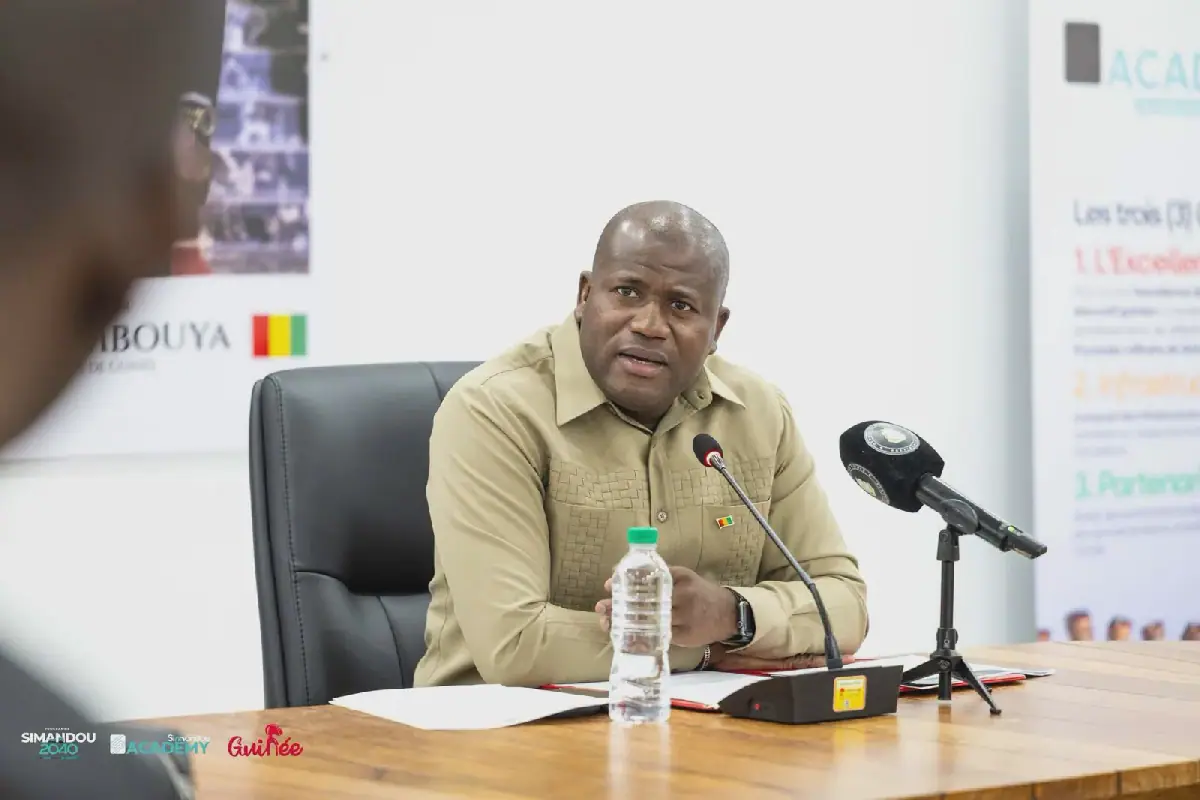
Minister Nabé recently presented the main challenges to be addressed in implementing the Simandou 2040 program, emphasizing the need for integrated and structuring projects to support the country's economic transformation. He stressed that the project's implementation phase has begun and that new initiatives must be developed to sustain this momentum. The minister highlighted the importance of collective action and mobilization around the program's objectives, ensuring that all stakeholders are committed to its success.
To monitor and track the program's execution, the government has established a platform called "Kira Fanyi". This tool will enable the government to follow up on commitments and ensure their effective implementation. Minister Nabé announced that the platform will be presented to ministers and stakeholders to promote accountability and execution of the program. He emphasized that 2027 will be a year of action, with a focus on launching concrete initiatives to drive progress.
The Simandou 2040 program is a long-term development vision aimed at propelling Guinea's economic growth. The program's success will depend on the government's ability to mobilize resources, coordinate efforts, and engage stakeholders. Minister Nabé emphasized that the program's objectives are aligned with the country's aspirations for development and that its implementation will require a sustained effort from all parties involved.
The construction of deep-water ports is another critical component of Guinea's development strategy. The government recognizes that investing in infrastructure is essential for driving economic growth and creating jobs. By building new roads, ports, and energy systems, the government aims to create a favorable business environment that will attract investment and stimulate economic activity.
According to Minister Nabé, the government's vision for development is driven by the leadership of the Head of State. He emphasized that all stakeholders must work together to achieve the program's objectives, which are clear and ambitious. The minister expressed confidence that with collective action and determination, Guinea can achieve its goal of becoming an upper-middle-income country by 2040.
The implementation of the Simandou 2040 program will require significant investments in various sectors, including infrastructure, energy, and job creation. The government has emphasized its commitment to driving economic growth and development, and stakeholders are eagerly awaiting the launch of concrete initiatives to support this vision. As the program moves forward, its progress will be closely watched by observers and stakeholders alike.
Key points
- The Guinean government aims to construct over 12,000 km of roads and create 3 million jobs by 2040 as part of its Simandou 2040 program.