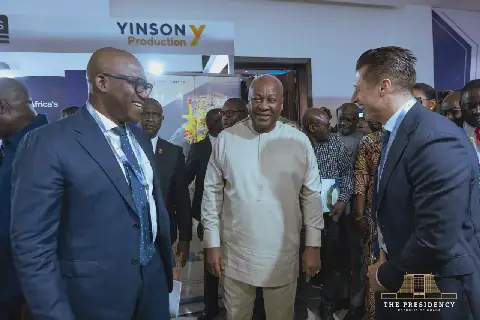
Guinea is positioning itself as a regional economic powerhouse with the launch of the Simandou Mining Summit, a key event that aims to showcase the country's ambition for economic diversification and growth. The summit, which took place from November 11 to 14, 2026, brought together investors, mining operators, institutions, and international decision-makers to discuss opportunities and challenges in the sector. This development is part of the country's efforts to redefine its economic model and assert its sovereignty.
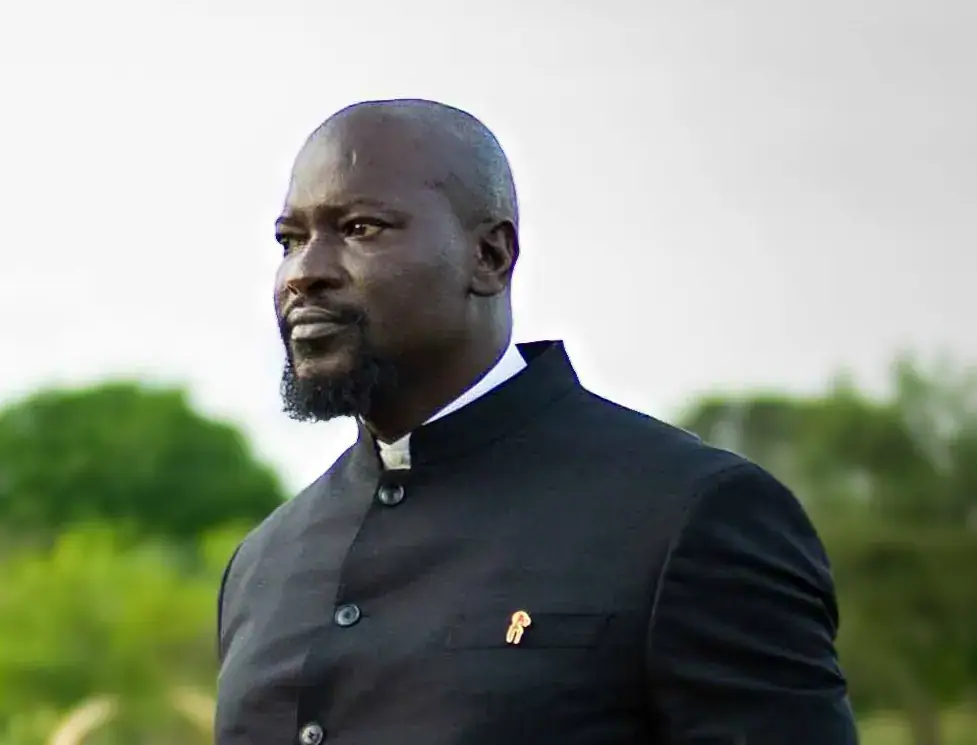
The Simandou project, a major mining initiative, is at the heart of Guinea's strategy to transform its economy. The project, which includes significant iron ore reserves, is also associated with important infrastructure developments, such as railways and ports, which can help to open up the country's territories, facilitate trade, and create new industrial opportunities. According to President Mamadi Doumbouya, who has been in office since September 5, 2021, the goal is to move beyond mere exploitation of natural resources and build a diversified and integrated economy.
A key component of Guinea's economic strategy is the Simandou 2040 program, which sets out a 15-year vision for the country's economic development. The program is built around five pillars, 122 megaprojects, and 36 structural reforms, covering sectors such as agriculture, food industry, education, infrastructure, transport, technology, finance, and health. This ambitious plan aims to transform Guinea's economy and make it more competitive, while also promoting sustainable development and job creation.
The concept of economic sovereignty is central to Guinea's new economic approach. According to President Doumbouya's administration, this means having the capacity to define national priorities, negotiate balanced partnerships, and ensure that investments generate lasting benefits for the population. To achieve this, Guinea is seeking to strengthen its national capacities and diversify its international cooperation, while also promoting transparency and predictability.
The Simandou Mining Summit is part of Guinea's efforts to engage with the international community and attract investment to its mining sector. By hosting this event, the country aims to position itself as a hub for dialogue and opportunity, rather than simply a supplier of raw materials. The summit also provides a platform for Guinea to showcase its potential as a regional economic player, leveraging its strategic location, energy resources, and agricultural and mineral wealth.
To achieve its ambition of regional influence, Guinea will need to focus on building strong institutions, developing its human capital, and promoting competitiveness and good governance. The country will also need to prioritize local content, with more Guinean companies involved in subcontracting, qualified jobs for young people, and effective technology transfer. Ensuring that investments translate into concrete achievements and that populations benefit from economic returns will be crucial to the success of this strategy.
The success of Guinea's new economic orientation will depend on its ability to deliver tangible results and meet the expectations of its population. The challenge is significant, but the strategic direction is now clearly defined. With the Simandou Mining Summit, Guinea is taking a major step towards asserting its economic sovereignty and becoming a more influential player in the region. The country's ambition for regional power status is a long-term vision that will require sustained efforts and commitment from all stakeholders.
Key points
- The Simandou Mining Summit is a key event in Guinea's efforts to showcase its ambition for economic diversification and regional influence.
- Guinea's President Mamadi Doumbouya aims to transform the country's economy by promoting economic sovereignty and diversification.
- The Simandou 2040 program sets out a 15-year vision for Guinea's economic development, covering sectors such as agriculture, education, and infrastructure.