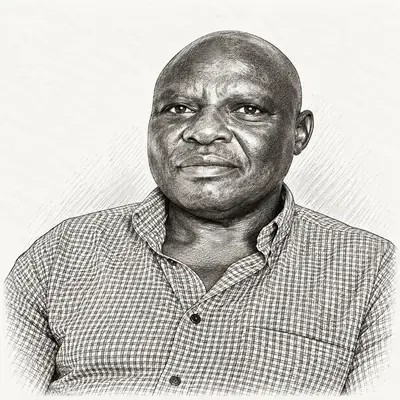
Guinea's Minister of Agriculture, Félix Lamah, has outlined the government's plans to transform the agricultural sector and enhance food security in the country. The plans were unveiled during the closing ceremony of a workshop on technologies for producing and processing tropical food crops and fruit trees. The workshop, supported by Chinese cooperation, equipped Guinean officials with techniques for producing, processing, and valorizing agricultural products.
The government's initiative aligns with President Mamadi Doumbouya's vision, which prioritizes agriculture, agro-industry, and commerce as key drivers of socio-economic development. Minister Lamah emphasized that the training session strengthens the development dynamics of the agricultural sector. The government's short-term goal is to prioritize rice production, while its long-term ambition extends to the entire food system, from production to transformation, conservation, and commercialization.
To achieve its objectives, the government has identified five priority projects. These include applied agronomic research, irrigation development, decongestion, post-harvest infrastructure development, and governance and structuring. The research aims to develop improved seeds and varieties to increase plantation yields. Irrigation development seeks to control water resources, enabling agricultural production throughout the year.
The government's five-year goal is to achieve rice self-sufficiency. By 2040, it aims to ensure complete food and nutritional self-sufficiency, as outlined in the Simandou 2040 strategic program. Minister Lamah stressed that the training session contributes to the transfer of essential skills. He instructed participants to submit a report with an execution plan and directed concerned departments to organize similar training sessions nationwide.
The government's plans also involve strengthening the capacities of all actors in the value chain. Minister Lamah emphasized that the acquired knowledge must be applied effectively. He requested that participants submit a report with an execution plan and instructed his cabinet to monitor the implementation of these directives.
The workshop was part of the government's efforts to modernize the agricultural sector and improve food security. The Minister of Agriculture highlighted the importance of developing post-harvest infrastructure to increase storage, conservation, and processing capacities, adding value to agricultural products.
The government's commitment to achieving food self-sufficiency by 2040 reflects its determination to address the country's food security challenges. With the support of international partners, Guinea aims to develop its agricultural sector and ensure a stable food supply for its population.
Key points
- - Guinea aims to achieve food self-sufficiency by 2040. - The government has identified five priority projects to modernize the agricultural sector. - The short-term goal is to achieve rice self-sufficiency within five years.