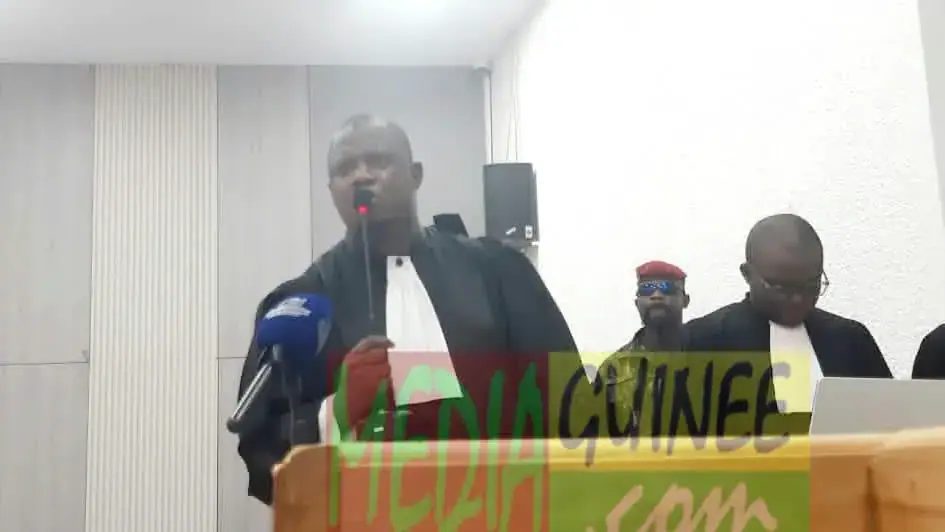
The case against 224 individuals accused of illegal mining activities in Siguiri, Guinea, was presented before the Chamber of Judgment of the Court for the Repression of Economic and Financial Offenses (CRIEF) on November 16, 2026. The accused are divided into two groups: 22 former territorial administrators and 202 clandestine miners from various nationalities. The prosecutor, Charles Wright, emphasized that artisanal gold exploitation has long been a primary activity for the populations of Siguiri but expressed concern over the development of mechanized exploitation.
The 22 former territorial administrators are accused of corruption, illicit enrichment, money laundering, and environmental degradation. During their interrogations, they all pleaded not guilty to the charges. On the other hand, the 202 clandestine miners, who are from Guinean, Malian, Burkinabé, Togolese, and Beninese nationalities, are accused of illegal mining, environmental degradation, and water pollution. Unlike the former administrators, they admitted to the charges against them.
Notably, the 202 foreign clandestine miners were absent from the hearing, having been granted presidential pardon and deported from Guinean territory over the weekend prior to the hearing. This group is part of 1,557 foreign clandestine miners who received a presidential pardon. The prosecutor, Charles Wright, highlighted the responsibility of certain mining sector officials and territorial administrators, accusing them of being complicit in environmental degradation.
During the hearing, Charles Wright requested three years of imprisonment for each of the 202 foreign clandestine miners. These individuals have already been deported from Guinea following the presidential pardon. Additionally, Wright asked for ten years of prison for each of the 22 former territorial administrators. The defense, led by lawyer Mory Doumbouya, is working to demonstrate the innocence of their clients.
The case revolves around the illegal exploitation of mines in Siguiri, which has led to severe environmental degradation and pollution. The prosecutor emphasized that the mechanized exploitation of gold, which is not recognized by the Guinean Mining Code, is a major concern. The accused, if convicted, face significant prison sentences for their alleged crimes.
The defense team will present their arguments to counter the requisitions made by the prosecutor. The court will then deliberate and deliver a verdict on the accused individuals. The case highlights the efforts of the Guinean authorities to combat illegal mining activities and protect the environment.
The verdict in this case is expected to have significant implications for the mining sector in Guinea and the fight against environmental degradation. The authorities have been working to address the issue of clandestine mining, which has been a longstanding problem in the country. The case also underscores the importance of holding individuals accountable for their actions and protecting the environment.
Key points
- Prosecutor Charles Wright requests 3-year prison sentences for 202 foreign clandestine miners and 10-year sentences for 22 former territorial administrators.
- The case involves 224 individuals accused of illegal mining activities in Siguiri, Guinea.
- The accused face charges of environmental degradation, corruption, and illicit enrichment, among others.