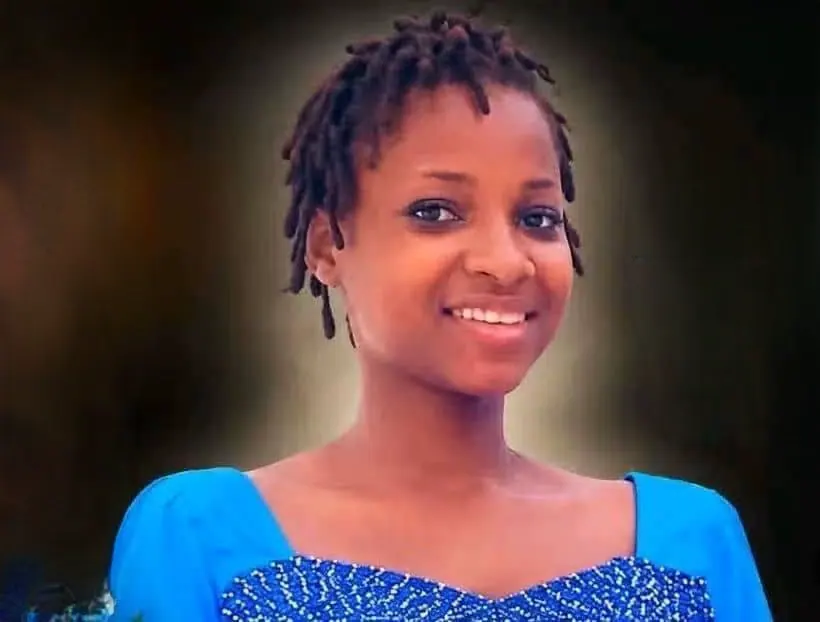
A tragic incident has occurred in Kolaboui, a suburb of Boké, Guinea, where a 19-year-old girl, Adama Kalissa, lost her life following a clandestine abortion. According to reports, Adama had arrived in Kolaboui for the summer holidays and had a romantic relationship with a Canal+ image distributor operating in the area. After becoming pregnant, he directed her to a private clinic where she considered having an abortion.
Adama's mother revealed that her daughter had informed her of her illness the day before her death and had proposed accompanying her to the hospital. However, Adama decided to keep her plans secret and went to the clinic with her boyfriend. The mother stated that Adama had told her she wasn't feeling well and suggested they go to the hospital, but Adama wanted to wait for her friend to accompany her for a consultation.
The mother became suspicious when Adama left the house on a motorcycle with the image distributor. Later that evening, the distributor returned to inform them that Adama had passed away and that her body was at Dr. Lamah's clinic. The mother, accompanied by young people from Kolaboui, went to the clinic to verify the information and found her daughter's lifeless body.
The authorities were notified, and the image distributor and the doctor who attended to Adama were arrested for investigation purposes. The incident highlights the risks associated with clandestine abortions, particularly in rural areas of Guinea where many girls become pregnant outside of marriage and fear rejection from their families.
According to local reports, numerous girls in Guinea, especially in rural areas, contract unwanted pregnancies and opt for clandestine abortions due to fear of family rejection. These procedures often take place in unregulated and unsanitary conditions, putting the girls' lives at risk. Adama's death has sparked concern and outrage in the community.
The body of Adama Kalissa was transferred to Kamsar Hospital for an autopsy. The incident has raised questions about access to safe and regulated healthcare services, particularly for young women in rural areas. The authorities have been urged to take measures to prevent such tragedies from occurring in the future.
This incident is a stark reminder of the need for comprehensive reproductive healthcare services and education in Guinea. The case of Adama Kalissa underscores the importance of addressing the social and cultural stigma surrounding pregnancy and abortion, as well as ensuring that young women have access to safe and reliable healthcare options.
Key points
- The incident highlights the risks associated with clandestine abortions in Guinea.
- The authorities have arrested the image distributor and the doctor who attended to Adama for investigation purposes.
- The incident has sparked concern and outrage in the community, with calls for improved access to safe and regulated healthcare services.