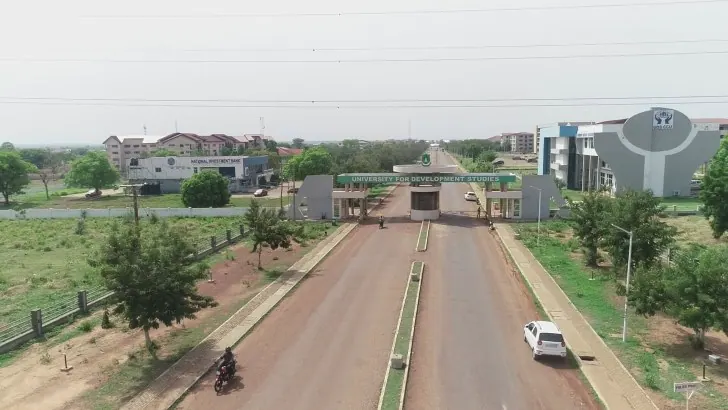
The Ghana Tertiary Education Commission (GTEC) has ordered the University for Development Studies (UDS) to immediately cease teaching its accredited evening Bachelor of Laws (LLB) programme on weekends. According to GTEC, the programme was accredited to run in the evenings, but UDS had been holding classes on weekends, a format the regulator says was never approved. This directive instructs UDS to revert to the duly approved evening mode of delivery.
The change in format has significant implications for students enrolled in the programme. Evening LLB programmes are designed for students with daytime commitments, such as civil servants, teachers, and other professionals pursuing a law degree part-time. A shift to weekend classes alters the logic many students used when choosing the programme, and reverting back to evenings could force some students to rearrange their daytime obligations.
The directive against UDS is part of a broader pattern of GTEC tightening oversight of how Ghanaian tertiary institutions deliver accredited programmes. In June 2026, GTEC published a public list of unrecognised institutions as part of efforts to clean up the tertiary education space. The UDS case suggests that even accredited institutions are not exempt from scrutiny over how they run approved programmes.
The order comes at a time when legal education in Ghana is undergoing structural reform under the Legal Education Act, 2026 (Act 1170). The Act governs the structure and standards for legal education in the country. While the sources do not specify precisely how it intersects with the UDS case, the general context of reform is relevant.
GTEC is the government body responsible for regulating tertiary education in Ghana, including accrediting programmes offered by universities and polytechnics and ensuring institutions deliver courses in line with approved standards. An LLB is the first academic degree typically required before a person can proceed to professional legal training in Ghana.
GTEC's notice calls for immediate compliance, but it does not specify a deadline for UDS to fully restore the evening format. The available reporting also does not detail what consequences, if any, the university would face for non-compliance. UDS has not issued a public response addressing how affected students will be accommodated during the transition back to evening classes.
The Ghana Tertiary Education Commission's directive to UDS highlights the importance of adherence to accredited programme standards. The commission's efforts to ensure compliance with approved standards aim to maintain the quality of tertiary education in Ghana. As the UDS case demonstrates, GTEC is actively involved in monitoring and regulating the delivery of accredited programmes.
Key points
- GTEC orders UDS to restore evening LLB programme format
- UDS must cease weekend classes and revert to approved evening mode
- The directive is part of GTEC's efforts to tighten oversight of tertiary education in Ghana