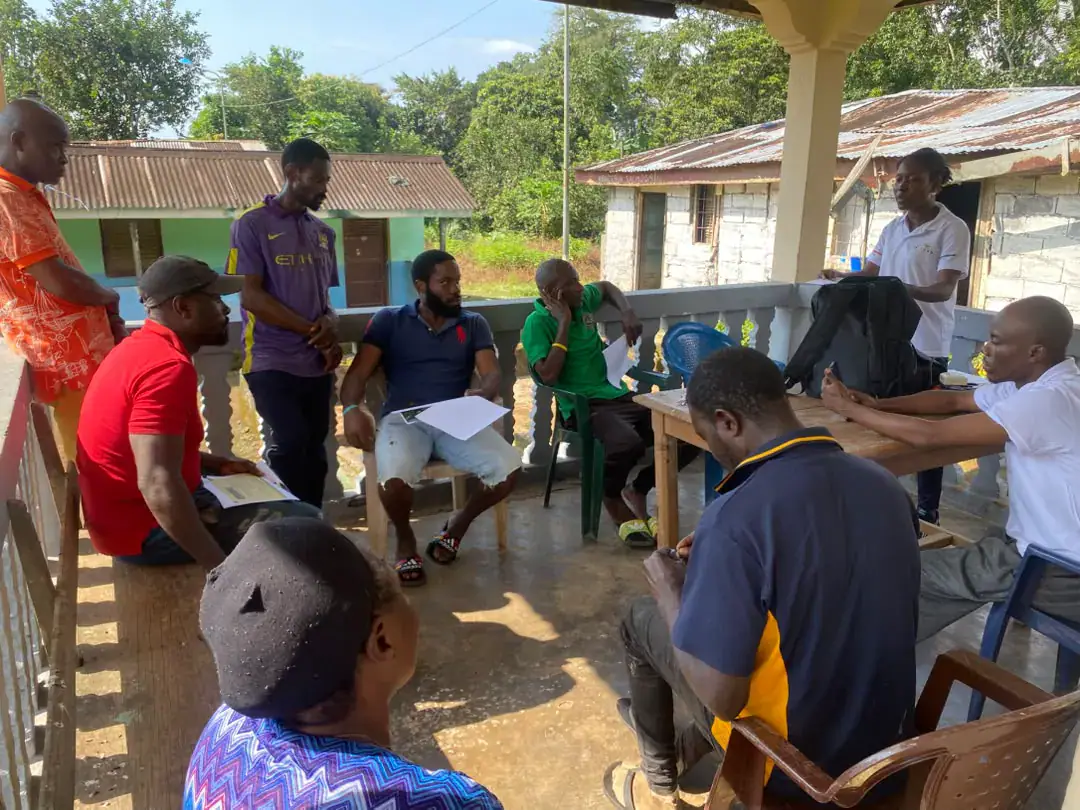
Grupo Ita Agro recently conducted a community training and awareness session in the village of Rilaja, Equatorial Guinea, as part of its project to develop financing instruments for biodiversity and biocarbon. The training, led by Josefina Mbulito Iyanga and Alfonso Eliseo Akogo Evuna Mangue, focused on the importance of forest ecosystems in protecting water and soil, regulating the climate, and promoting family well-being. The event was held under the theme "Our forests, our heritage, and our future."
The training session covered various mechanisms for financing environmental conservation, including payments for ecosystem services, carbon-linked financing, and biodiversity protection funds. The presenters emphasized the need for community participation, transparent management, and result verification. They also discussed developing economic activities compatible with environmental protection, such as agroforestry, sustainable use of non-timber forest products, community nursery creation, and degraded area recovery.
The training highlighted the importance of involving women and young people in decision-making processes, recognizing traditional knowledge, and ensuring access and use rights to natural resources. The presenters stressed the need for clear mechanisms to manage and distribute potential benefits from conservation initiatives. This approach aims to balance forest conservation with the well-being of local populations.
The training session in Rilaja is part of Grupo Ita Agro's efforts to strengthen rural community involvement in protecting Equatorial Guinea's natural heritage. The organization seeks to promote economic development opportunities that align with forest conservation and improve the quality of life for local communities. By engaging communities in conservation efforts, Grupo Ita Agro aims to ensure the long-term sustainability of forest ecosystems.
The project "Development of financing instruments for biodiversity and biocarbon" aims to support the conservation of Equatorial Guinea's forests and rural community livelihoods. By providing training and capacity-building programs, Grupo Ita Agro empowers local communities to manage and benefit from their natural resources sustainably. This approach contributes to the country's environmental and economic development.
The training in Rilaja demonstrates Grupo Ita Agro's commitment to promoting sustainable development and environmental conservation in Equatorial Guinea. By working with local communities, the organization fosters a sense of ownership and responsibility for natural resource management. This collaborative approach is essential for achieving long-term conservation goals and improving the well-being of rural populations.
Grupo Ita Agro's efforts in Equatorial Guinea have the potential to make a positive impact on the country's environmental and economic development. By supporting community-led conservation initiatives, the organization helps to ensure the conservation of forest ecosystems and promotes sustainable livelihoods for local communities. The success of these initiatives will depend on continued collaboration and commitment from all stakeholders involved.
Key points
- Grupo Ita Agro conducted community training in Rilaja on forest conservation, biodiversity, and biocarbon, emphasizing sustainable development and community involvement.
- The training covered financing mechanisms for environmental conservation, including payments for ecosystem services and carbon-linked financing.
- The initiative aims to balance forest conservation with the well-being of local populations, promoting sustainable development and environmental protection.
Reporting sources
- GRUPO ITA AGRO imparte en Rilaja una formación sobre conservación de los bosques, biodiversidad y biocarbono · AHORAEG Guinea Ecuatorial - Diario online líder de noticias