Tanzania has made significant progress in connecting its people to the financial system over the past decade. However, the next challenge is to help the system recognize and support small businesses. According to Shehryar Ali, Senior Vice President and Country Manager for East Africa and Indian Ocean Islands at Mastercard, banks in Tanzania are eager to lend to small businesses but lack the necessary proof of their creditworthiness.
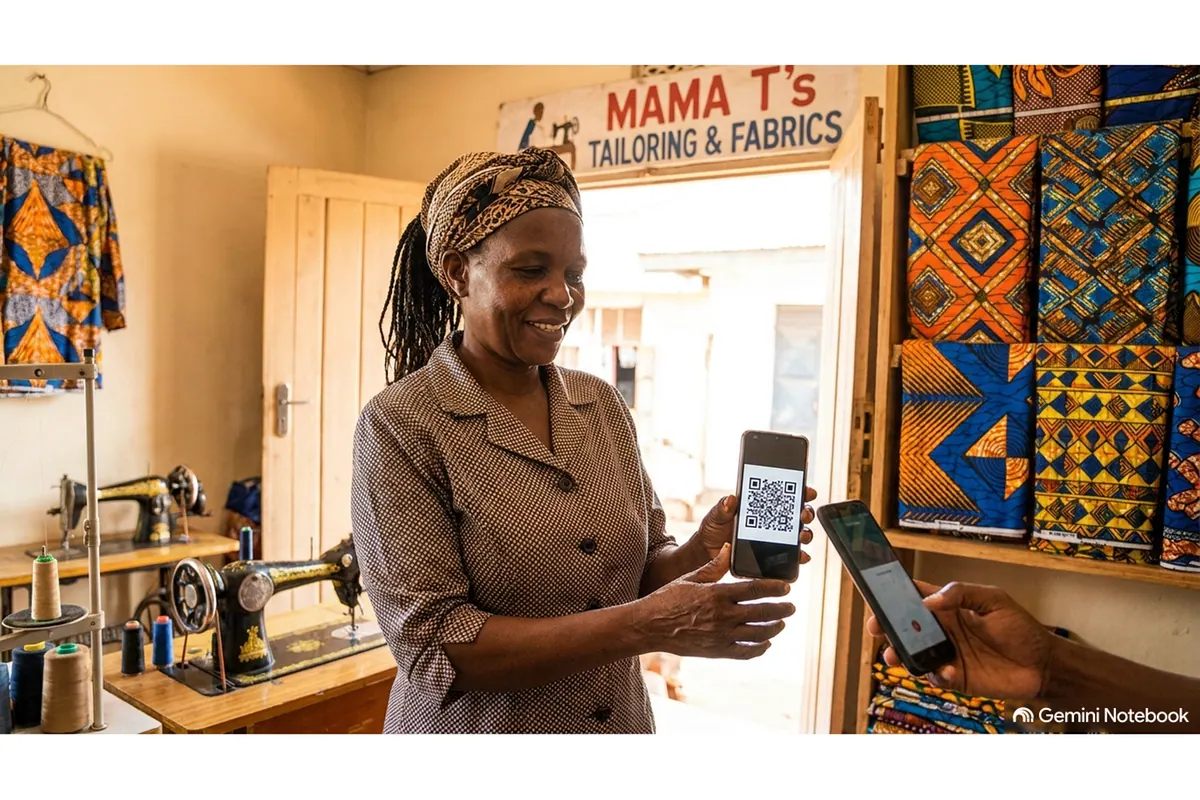
A small business, such as a tailoring shop in Mwanza, may appear successful with a good number of customers and timely payments, but it remains invisible to the formal financial system. The system cannot see its transactions, cash balance, or growth, making it difficult for the business to access financing. This paradox highlights the need for a more comprehensive approach to supporting small businesses.
The formal financial inclusion rate in Tanzania has reached 76% of adults, but small and medium enterprises still account for only a fifth of outstanding bank lending. The main obstacle is not a lack of funds but rather a lack of financial records. No single institution in Tanzania holds a complete picture of a business's financial history, making it challenging for lenders to assess their creditworthiness.
To address this issue, collaboration among stakeholders is essential. The Tanzania Bankers Association recently convened a meeting in Zanzibar, bringing together regulators, researchers, and development partners to discuss credit infrastructure, shared data, and fairer ways to assess small businesses. The goal is to create a more enabling environment for small businesses to access credit.
Mastercard has been working with local partners to develop innovative solutions to support small businesses. For example, in 2024, it launched Africa's first rollout of QR Pay by Link with NMB Bank, allowing vendors to accept card payments through a link. This solution makes invisible vendors visible, creating a track record of payments that can be used to assess their creditworthiness.
Another initiative is the introduction of a traders' card for businesses buying from China, Turkey, the UAE, and Nigeria, which turns cash transactions into recorded transactions. The MADE Alliance, co-chaired by Mastercard, the African Development Bank, and the World Bank Group, is also providing affordable digital services to farmers, putting their harvests on record and enabling lenders to assess their creditworthiness.
To make invisible businesses visible in Tanzania, a collaborative effort is needed among fintechs, telcos, banks, and government. This work will determine whether small businesses, such as the tailor in Mwanza, can grow and become more significant players in the economy or remain small and informal. The goal is to ensure that the financial system can recognize and support small businesses, enabling them to access credit and achieve their full potential.
Key points
- Collaboration among stakeholders is essential to address the issue of small businesses' invisibility in the financial system.
- Innovative solutions, such as QR Pay by Link and traders' cards, can help make small businesses visible and enable them to access credit.
- A comprehensive approach, involving fintechs, telcos, banks, and government, is necessary to support small businesses and help them become more significant players in the economy.