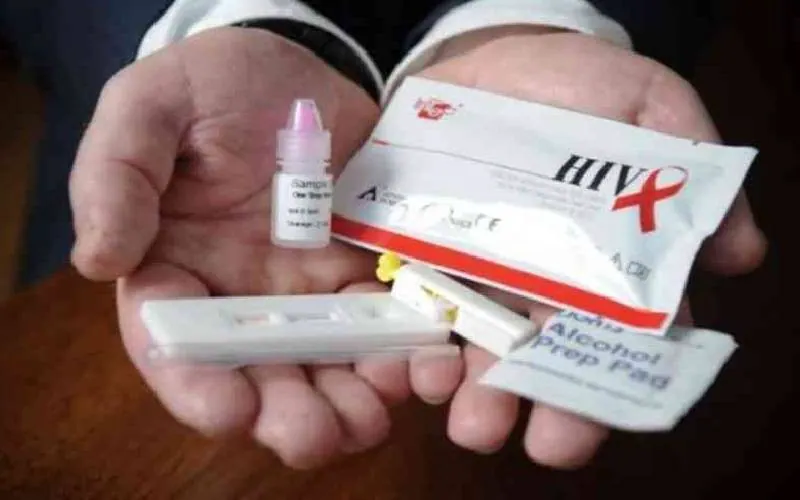
The National Empowerment Network of People Living with HIV/AIDS in Kenya (NEPHAK) is urging the government to scale up interventions to improve the health and well-being of older people living with HIV. With increased access to antiretroviral therapy (ART), more patients are living longer, but they are facing new health challenges associated with ageing. NEPHAK acknowledges the success of ART in transforming HIV from a fatal diagnosis into a manageable chronic condition.
As people with HIV live longer, they are increasingly facing health challenges such as chronic inflammation, multiple illnesses, complex medication needs, neurocognitive changes, and social isolation. NEPHAK says that the changing needs of older people living with HIV require HIV care to be combined with comprehensive geriatric care. The network emphasizes that integrating HIV services into routine healthcare should not mean losing sight of the specific needs of older patients.
NEPHAK has identified four areas that need greater attention: clinical and medical management, geriatric and functional care, psychological and social support, and integrated care delivery. The network is calling for the initiation and continuation of safer and better-tolerated ART among adults aged 50 and above, regardless of their CD4 count, to achieve viral suppression and reduce inflammation.
Healthcare providers are also urged to step up screening for non-HIV conditions, which become increasingly common with age. NEPHAK says that sustaining the health and well-being of elderly people living with HIV requires an approach that merges traditional HIV management with comprehensive geriatric care. The communique was issued as part of the commemoration of the International Day of Older Persons.
The network emphasizes that older people living with HIV require a comprehensive approach to care that addresses their unique needs. This includes providing psychological and social support to address issues such as stigma, discrimination, and social isolation. NEPHAK also calls for integrated care delivery that brings together healthcare providers, social workers, and community-based organizations to provide holistic care.
The issue of HIV and ageing is becoming increasingly important in Kenya, as more people living with HIV are living longer. The country's healthcare system is facing new challenges in providing care to older people living with HIV. NEPHAK's call for a comprehensive approach to care is timely, as it highlights the need for a more integrated and coordinated response to the needs of older people living with HIV.
The Kenyan government and healthcare providers must take note of NEPHAK's concerns and work to address the emerging challenges facing older people living with HIV. By scaling up interventions and providing comprehensive care, it is possible to improve the health and well-being of older people living with HIV and ensure that they receive the care and support they need.
Key points
- People living with HIV in Kenya are calling for the scale-up of interventions to improve the health and well-being of older people living with HIV.
- The National Empowerment Network of People Living with HIV/AIDS in Kenya (NEPHAK) has identified four areas that need greater attention: clinical and medical management, geriatric and functional care, psychological and social support, and integrated care delivery.
- NEPHAK is urging the government to provide comprehensive geriatric care to older people living with HIV, including safer and better-tolerated antiretroviral therapy.