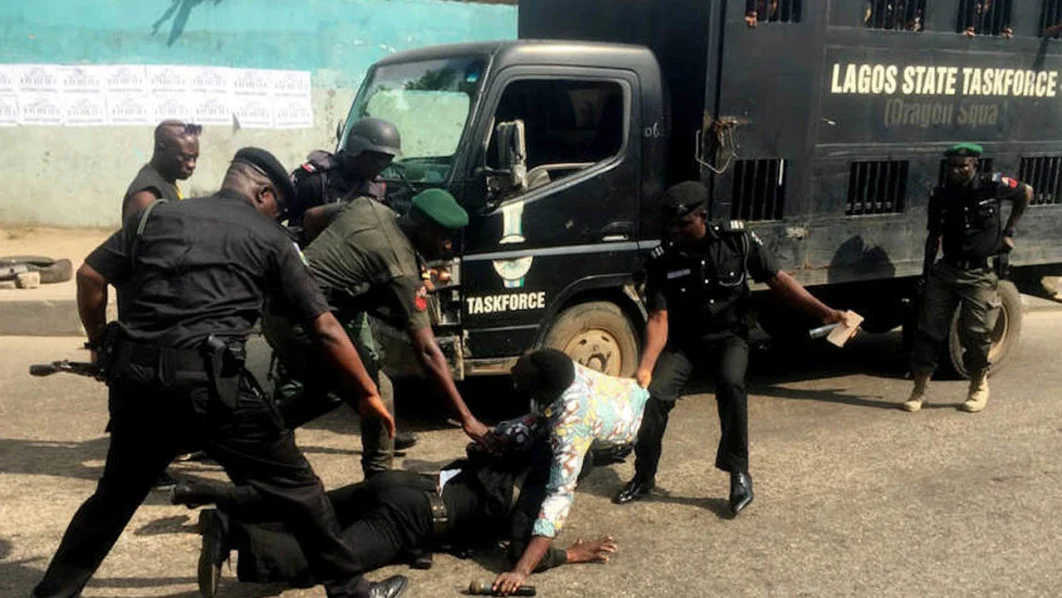
Nigeria is increasingly regarded as one of West Africa's most dangerous environments for journalists, an unenviable distinction for a country that claims to practise democracy. According to the Wole Soyinka Centre for Investigative Journalism's 2025 Journalism and Civic Space Status Report, 245 incidents of harassment, intimidation, arrests, assaults and other violations affecting journalists and civic freedoms were documented during the year. This has raised concerns about the safety of journalists in the country.
The attacks on journalists have taken various forms, including physical assault and intimidation. In August, police officers and members of the Vigilante Group of Nigeria allegedly attacked the Editor of Pinnacle Daily, Sunday Ogwu, in Lugbe, Abuja. They allegedly assaulted him with an electric cable and destroyed his mobile phone. This incident highlights the risks faced by journalists in Nigeria and the need for improved protection.
The broadcast media has also faced challenges, particularly with the National Broadcasting Commission, which frequently subjects broadcasters to threats and fines over alleged breaches of various provisions, including the Nigeria Broadcasting Code. On September 3, Ugonma Ogbu, a reporter with African Angle, was allegedly harassed, intimidated and detained while reporting on the grassroots healthcare system in Iji-Nike, Enugu State. These incidents demonstrate the need for a more conducive environment for journalists to operate.
Nigeria's position on the global press-freedom table is equally troubling. In the 2026 World Press Freedom Index, the country ranked 112th out of 180 countries, placing it among those classified in the “difficult” category for press freedom. This ranking reflects the challenges faced by journalists in Nigeria and the need for improved press freedom.
The Nigerian Guild of Editors has condemned the increasing violations of press freedom and the harassment, intimidation and prosecution of journalists by security agencies. The guild has raised concerns over the use of cybercrime legislation and other laws that have the potential to undermine legitimate journalistic practice. The guild's concerns highlight the need for a more nuanced approach to regulating the media.
The answer to bad journalism cannot be the suppression of journalism, but rather better journalism, professional accountability and lawful redress. The Nigerian Guild of Editors has advised governments at all levels and members of the public to uphold and respect freedom of the press. The media must remain free to decide what to publish and what not to publish, but that freedom carries responsibilities, including the need for factual, fair, objective, professional and ethical reporting.
Ultimately, press freedom is not a privilege invented by journalists for their own convenience, but a fundamental right protected by various international and national laws, including Article 19 of the United Nations Universal Declaration of Human Rights and Sections 22 and 39(1) of the 1999 Nigerian Constitution. It is essential that this right is respected and protected to ensure a free and independent press.
Key points
- The Nigerian Guild of Editors has condemned the increasing violations of press freedom and the harassment, intimidation and prosecution of journalists by security agencies.
- Nigeria ranked 112th out of 180 countries in the 2026 World Press Freedom Index, placing it among those classified in the “difficult” category for press freedom.
- The Wole Soyinka Centre for Investigative Journalism documented 245 incidents of harassment and intimidation affecting journalists and civic freedoms in 2025.