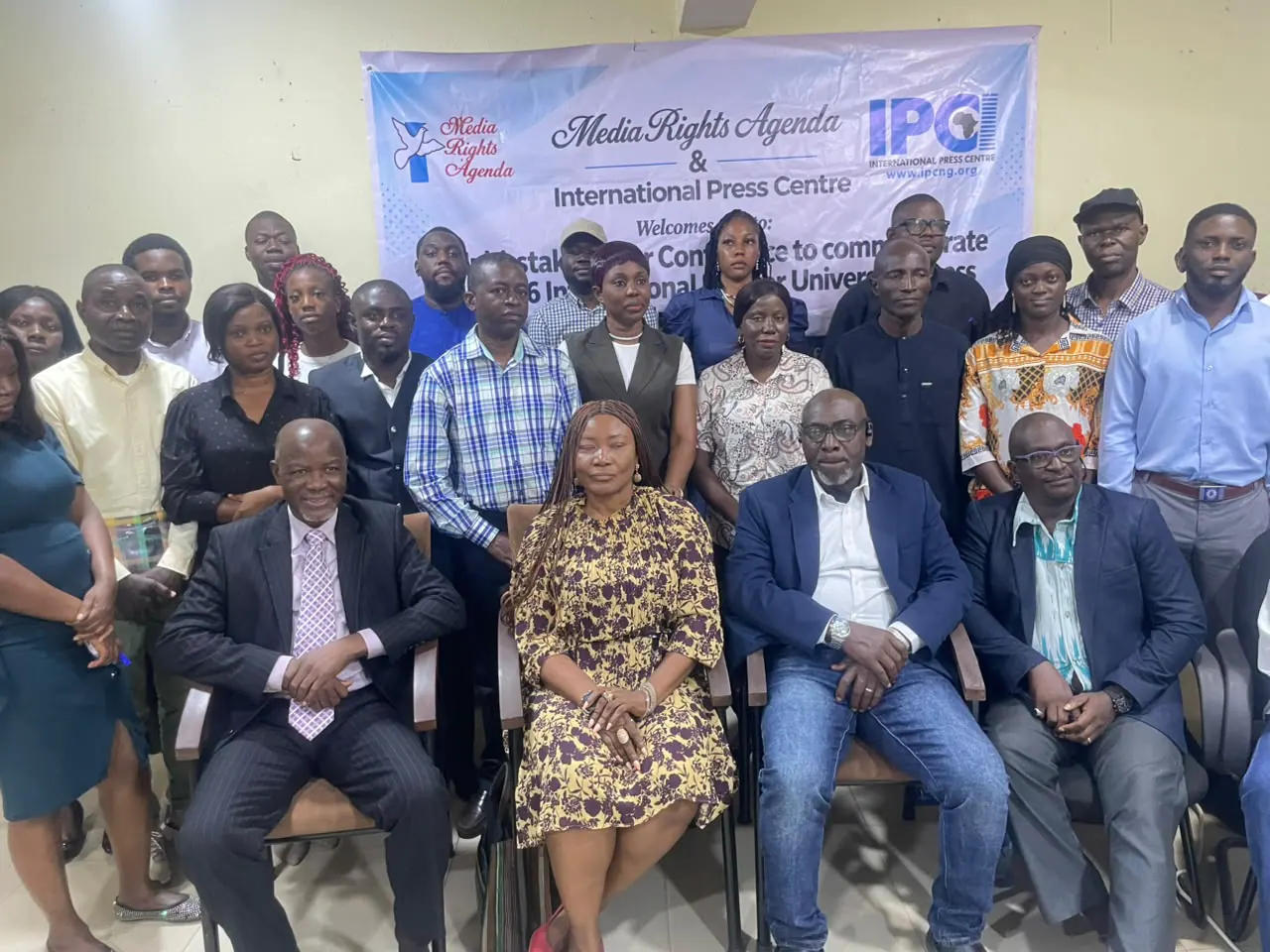
As the world marks the International Day for Universal Access to Information, a Nigerian advocacy group has called for a more inclusive approach to access to information. The Women Advocates Research and Documentation Centre, represented by Olaniyi Olaniyan, emphasized that women and girls require targeted access to information to protect and claim their rights. This call was made at an event convened by the Media Rights Agenda in collaboration with the International Press Centre in Lagos.
The event, themed ‘Freedom of Information in the Age of Disinformation: Why Transparency Matters More Than Ever,’ highlighted the significance of access to information in promoting transparency and accountability. According to Abiola Afolabi-Akiode, the founding Executive Director of the Women Advocates Research and Documentation Centre, access to information is crucial in areas such as sexual and reproductive health, maternal mortality prevention, and gender-based violence support services.
The International Day for Universal Access to Information, marked annually on 28 September, was established in 2015 to promote awareness of the importance of public access to information and transparency. The 2026 theme, ‘Upholding information integrity in the digital age: The role of access to information in addressing information disorder,’ underscores the need for access to information in the digital age.
Civil society organizations have been urged to move beyond creating awareness about the Freedom of Information Act to monitoring how public institutions respond to information requests. According to Ms Afolabi-Akiode, the Federal Ministry of Justice reported that up to 90 per cent of public institutions had failed to comply with their statutory reporting obligations since the enactment of the FOI Act.
The implementation of the FOI Act has been affected by challenges such as poor record-keeping, inadequate funding, bureaucracy, limited awareness among public officials, and delays beyond the statutory response period. Ayomide Eweje, a Programme Officer at Media Rights Agenda, also called for gender-responsive implementation of the FOI Act, noting that women need to make greater use of the law.
A gender-responsive approach to access to information should consider whether different gender groups can access the right equitably, whether public information reflects the different needs and experiences of different gender groups, and whether public institutions gather, store, and provide information in ways that different groups can access and use.
Legal practitioners have also been highlighted as playing a crucial role in enforcing the FOI Act. Alimi Adamu, a lawyer, described the Nigerian FOI framework as judicial-driven, noting that Nigeria relies on state and federal high courts to compel compliance with the law. The role of the FOI Act in combating digital misinformation and safeguarding journalistic integrity in Nigeria was also emphasized.
Key points
- Women and girls require targeted access to information to protect and claim their rights.
- The implementation of the FOI Act has been affected by challenges such as poor record-keeping and inadequate funding.
- A gender-responsive approach to access to information is crucial in promoting transparency and accountability.