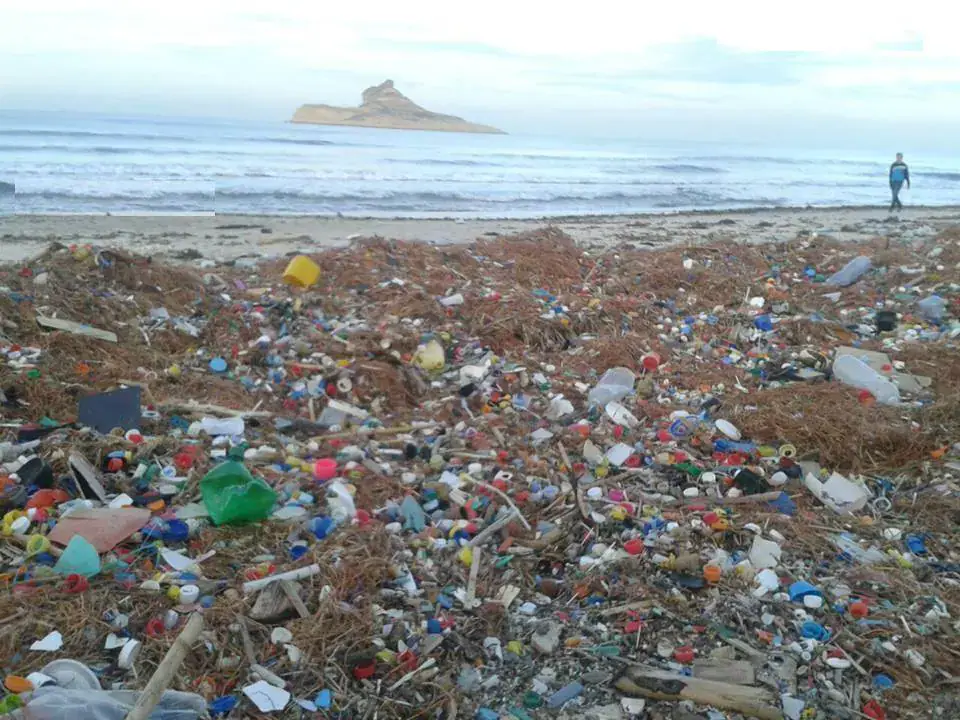
A recent Greenpeace report has estimated that plastic pollution costs Tunisia between $170 and $560 million annually. If left unchecked, the cumulative cost of this pollution could reach $3-10 billion by 2040. The report, which focuses on the economic and environmental impacts of plastic pollution in Egypt, Morocco, and Tunisia, reveals that the annual cost of plastic pollution in these three countries is approximately $5.5 billion, which could rise to $98 billion by 2040.
The report also highlights the significant amount of plastic waste that enters the Mediterranean Sea each year. Approximately 229,000 tonnes of plastic waste are released into the sea annually, contributing to the estimated 155 million tonnes of waste generated in the Middle East and North Africa region every year. This figure is expected to increase to 294 million tonnes by 2050. The consequences of this pollution are far-reaching, affecting not only the environment but also public health.
Communities living near unmanaged waste sites are particularly vulnerable to the health risks associated with plastic pollution. According to the report, these communities face a higher risk of diarrheal infections, acute respiratory infections, dengue fever, and skin diseases. For example, the risk of diarrheal infection is approximately three times higher, while the risk of acute respiratory infections is nearly 2.8 times higher. These health impacts are a significant concern for local populations.
The report identifies several actions that can help reduce plastic pollution in the region. One key strategy is the prohibition of single-use plastic products, which could decrease marine litter by 23%. Additionally, the upcoming negotiations on a global plastics treaty in March 2027 offer an opportunity for Tunisia to promote a binding agreement that limits plastic production and encourages the phase-out of single-use products.
The Greenpeace report emphasizes the need for a coordinated approach to address the issue of plastic pollution. The organization is calling for a reduction in plastic production and an increase in recycling rates. This can be achieved through a combination of policy changes, public awareness campaigns, and community engagement. By working together, it is possible to mitigate the impacts of plastic pollution and create a more sustainable future.
Plastic pollution is a significant challenge for Tunisia and the wider region. The country's environmental and health authorities must work together to develop effective solutions to this problem. This will require a commitment to reducing plastic waste, increasing recycling rates, and promoting sustainable practices. The Greenpeace report provides a valuable contribution to this effort, highlighting the need for urgent action to address the issue of plastic pollution.
The economic costs of plastic pollution are substantial, and the environmental impacts are severe. To address this issue, Tunisia must adopt a comprehensive approach that includes policy changes, education, and community engagement. The goal is to reduce plastic waste, promote sustainable practices, and protect the country's natural resources for future generations. By taking action now, Tunisia can mitigate the impacts of plastic pollution and create a more sustainable future.
Key points
- The annual cost of plastic pollution in Tunisia is estimated to be between $170 and $560 million.
- The cumulative cost of plastic pollution in Tunisia could reach $3-10 billion by 2040 if left unchecked.
- Prohibiting single-use plastic products could decrease marine litter by 23%.