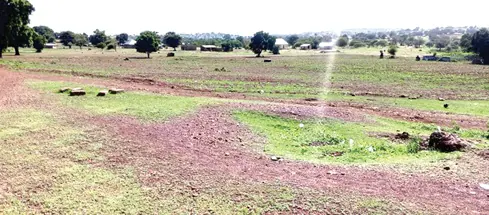
A recent investigation by the Daily Graphic has found that about 90% of seedlings planted in the Upper East Region under the Green Ghana Project have failed to survive. The project, launched in 2021, aimed to restore Ghana's depleted forest cover and combat deforestation by planting 50 million trees. However, in three communities in the Upper East Region, only 143 out of 1,900 seedlings planted survived, representing a 7.5% survival rate.
The Green Ghana Project was initiated by the Ministry of Lands and Natural Resources (MLNR) to restore vegetation, boost local economies, and create livelihood opportunities for communities. The project targeted planting 50 million trees, but ultimately planted about 52 million trees at a cost of approximately GH¢226 million. The seedlings were planted in various locations, including degraded forest reserves, mined-out areas, communal lands, and woodlots, as well as schools, road medians, homes, and churches.
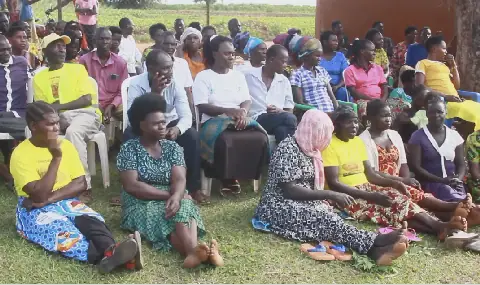
The Daily Graphic investigation involved field visits to selected planting sites in the Upper East Region, where the reporter physically counted surviving seedlings and compared the findings with official records. Interviews were conducted with Forestry Commission officials, YAP supervisors, farmers, community leaders, and residents to establish how the seedlings were planted and the factors that affected their survival. The investigation found that poor planting practices, lack of capacity, and inadequate maintenance contributed to the low survival rate.
In Zanlerigu, a community in the Nabdam District, 500 seedlings were planted in 2021, but only four survived. The YAP supervisor, Albert Abaka, attributed the poor survival rate to extreme weather conditions and poor planting practices. He said farmers were not briefed before the planting exercise began, particularly on which species to plant on their farms. Some farmers uprooted the seedlings, citing unsuitable tree species for their farms.
The situation was similar in Tong Wakii, in the Talensi District, where only 39 tree seedlings survived out of 700 planted. The main challenge was access to water to keep the seedlings alive. The YAP Supervisor, Nyabil Bagnab, suggested that future planting be timed properly with the rainy season or that the government make adequate arrangements to water the seedlings.
Data obtained from the Bolgatanga Zonal Office of the Forestry Commission shows that a total of 739,000 seedlings were supplied and planted in both forest and off-forest reserves between 2021 and 2024. However, the data appears inconsistent with the findings of the Daily Graphic investigation, which suggests a much lower survival rate than the 60-80% claimed by the Ministry of Lands and Natural Resources.
The Green Ghana Project has faced several concerns, including seedling survival, post-planting maintenance, monitoring, and seedling procurement. The Daily Graphic investigation highlights the need for improved implementation, monitoring, and evaluation of the project to ensure its objectives are achieved. The project's failure to thrive in the Upper East Region raises questions about its overall success and the need for corrective measures to be taken.
Key points
- Only 7.5% of seedlings planted in three Upper East communities under the Green Ghana Project survived.
- Poor planting practices, lack of capacity, and inadequate maintenance contributed to the low survival rate.
- Inconsistent data on seedling survival rates raises concerns about the project's overall success.