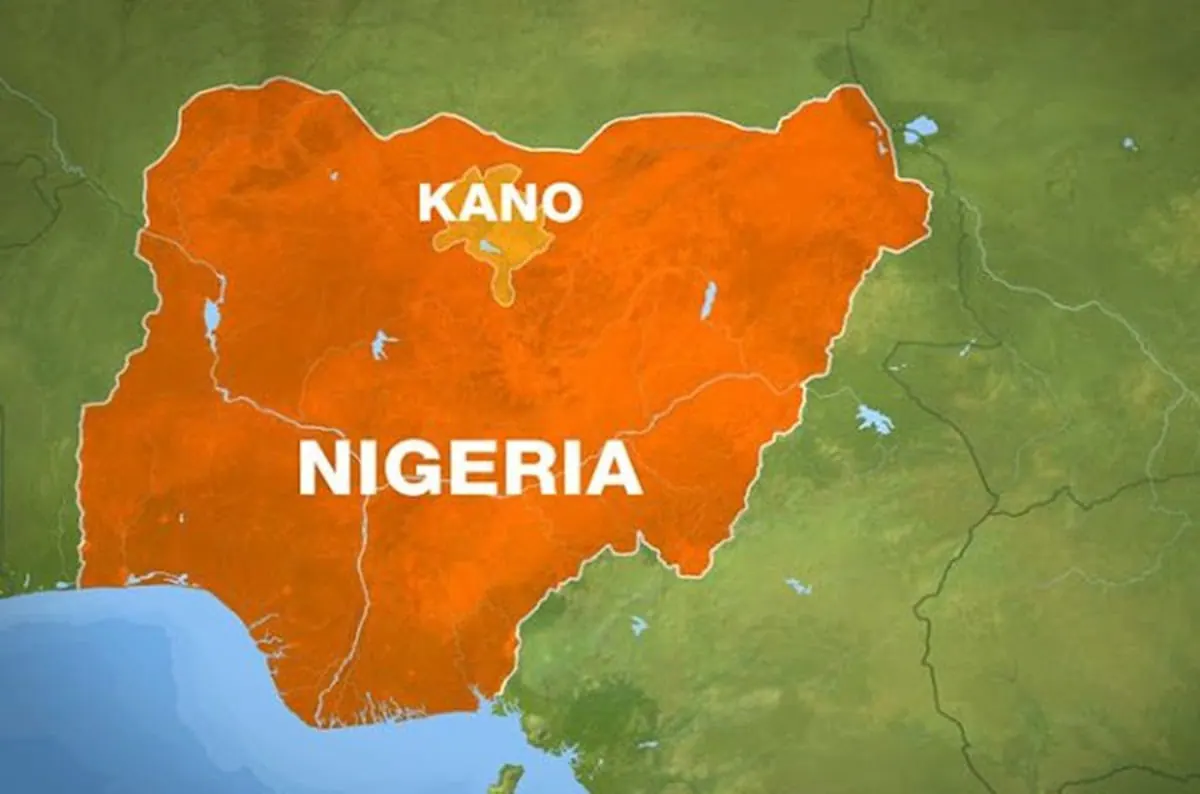
Former Kogi State Commissioner for Information, Mr. Dan Okolo, has emphasized the importance of grassroots development in Kogi East. He made this call during the commencement of a series of town hall meetings across the nine Local Government Areas of Kogi East Senatorial District. The meetings, organized by the Kogi East APC Legacy Group, aim to promote development, political dialogue, and collaboration among the three senatorial districts of Kogi State.
The town hall meetings, which began with Dekina and Bassa Local Government Areas, brought together ward-level stakeholders, political leaders, and veterans of previous administrations. The group stated that the engagements were designed to identify pressing community needs, strengthen communication with the government, and promote political alliances capable of attracting development to Kogi East. Kogi East constitutes the state's largest voting bloc, but its nine Local Government Areas are insufficient to independently meet the constitutional spread requirement for winning a governorship election.
According to the Nigerian Constitution, a governorship candidate must secure the highest number of votes statewide and at least 25 percent of votes cast in at least two-thirds of the Local Government Areas in the state. With Kogi having 21 Local Government Areas, a candidate must achieve the 25 percent threshold in at least 14 LGAs, making cooperation among Kogi East, Central, and West important. The group cited the performance of the late Prince Abubakar Audu in the 2015 governorship election as an example of the importance of statewide political alliances.
Okolo called for sustained engagement with governments at all levels to address infrastructure deficits, improve living conditions, and promote equitable political representation. He mentioned that the group's engagement with Governor Ahmed Usman Ododo had yielded responses, particularly on infrastructure requests submitted on behalf of communities in Kogi East. Some of the interventions include the reconstruction of the 37-kilometer Idah–Onyedega Road in Ibaji and the 13-kilometer Odenyi–Oguma–Sheria Road in Bassa.
Okolo also disclosed that the state government had approved the reconstruction of nine secondary schools in Kogi East, with one project allocated to each of the nine Local Government Areas under the World Bank-assisted AGILE program. Additionally, 12 solar-powered water schemes have been approved, with four each located in Bassa, Ibaji, and Omala Local Government Areas. The Bassa projects have commenced, while the geophysical survey has been completed.
Other speakers at the town hall meetings, including Alhaji Abdullahi Haruna, SAN, and Hon. Moses Idoko Ododo, emphasized the need for unity, equity, and development-oriented politics in Kogi East. They urged stakeholders to prioritize the transformation of Kogi State above narrow political and ethnic interests and to promote governance that delivers tangible benefits to citizens.
The group identified several critical infrastructure needs that remain unresolved, including the establishment of a national electricity transmission substation in Kogi East, sustainable rural water schemes, and rehabilitation and equipping of general hospitals. They also called for continued engagement with the Federal Government on key road corridors and stronger protection for boundary communities, farming settlements, and transit routes.
Key points
- Former Kogi State Commissioner for Information, Mr. Dan Okolo, emphasizes grassroots development in Kogi East.
- The town hall meetings aim to promote development, political dialogue, and collaboration among Kogi State's senatorial districts.
- Kogi East's nine Local Government Areas are insufficient to independently meet the constitutional spread requirement for winning a governorship election.