Education stakeholders in Western Kenya have urged MPs to amend a proposal requiring tertiary education loan beneficiaries to begin repayment within one year of completing their studies. The stakeholders, who spoke during a public participation exercise on six education-related bills in Bungoma and Busia counties, argued that many graduates take longer than a year to secure employment. They proposed an amendment that will see repayment begin only after beneficiaries secure formal or informal employment.
The proposal, contained in the Tertiary Education and Funding Bill, 2026, wants students who benefit from education funding to start repayment within the first year of graduation. However, stakeholders such as Kibabii University DVC academics and student affairs Joseph Ogendo, proposed that the clause be reviewed to read, "Within one year of being employed, including where there is proof of gainful employment." This, they argued, will ensure that beneficiaries are not burdened with loan repayments before they secure a source of income.
The stakeholders also opposed a clause allowing the authority to deduct up to 25 per cent of a loanee's emoluments towards repayment. They proposed that deductions be capped at 10 per cent to prevent beneficiaries from being left with inadequate income to meet their basic needs. According to Ogendo, deducting more than 10 per cent of the loanee's emoluments would be excessively punitive.
At Alupe University in Busia, stakeholders further called for student loans to be made interest-free, saying most beneficiaries come from low-income households. They argued that charging interest would make it difficult for beneficiaries to clear their loans, particularly those struggling to secure stable employment after graduation. Youth representative Harriet Opoma told the committee that most students who apply for these study loans come from low-income households and rely on the financial support to cover tuition, accommodation, and upkeep.
The stakeholders also raised concerns over the fate of non-teaching staff, with the Kenya Union of Secondary Schools calling for them to be returned under the Ministry of Education, as was previously the case. They cited underpayment, salary delays, and poor working conditions as some of the challenges facing the workers. The status of Junior Schools also featured prominently, with Kuppet calling for their autonomy while Knut opposed the proposal.
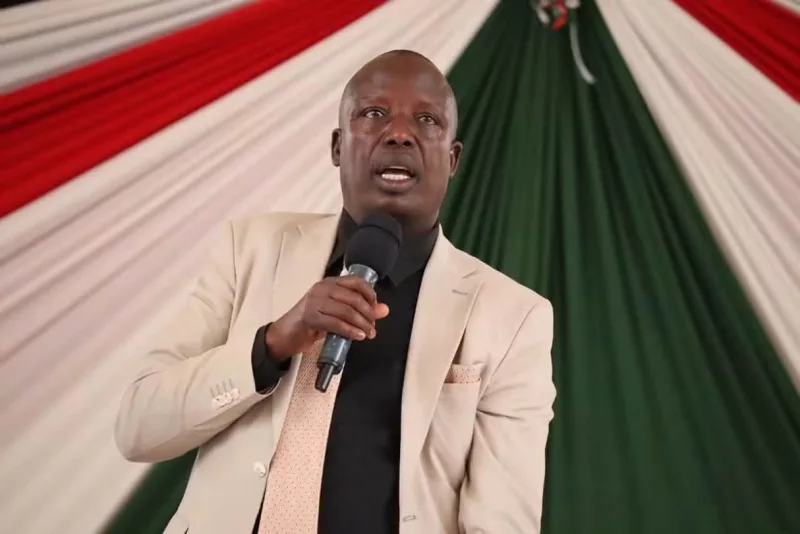
The National Assembly Education Committee, chaired by Tindiret MP Julius Melly, conducted the public participation exercise. Melly said the committee would scrutinize the views gathered from the public before making recommendations to the House. "Today we have been to Kibabii and Alupe universities in Bungoma and Busia counties respectively," he told the media. "We have had very good sessions where stakeholders have given us their views and reservations on the Bills."
The committee will complete the exercise across all counties and then deliberate on all the proposals before making recommendations. The Tertiary Education and Funding Bill, 2026, aims to provide a framework for funding tertiary education in Kenya. The stakeholders' proposals will be considered in the Bill, which will be debated by the National Assembly before being passed into law.
Key points
- Education stakeholders in Western Kenya urge MPs to amend a proposal requiring tertiary education loan beneficiaries to begin repayment within one year of completing their studies.
- Stakeholders propose repayment begin only after beneficiaries secure formal or informal employment.
- The National Assembly Education Committee will consider stakeholders' proposals before making recommendations on the Tertiary Education and Funding Bill, 2026.