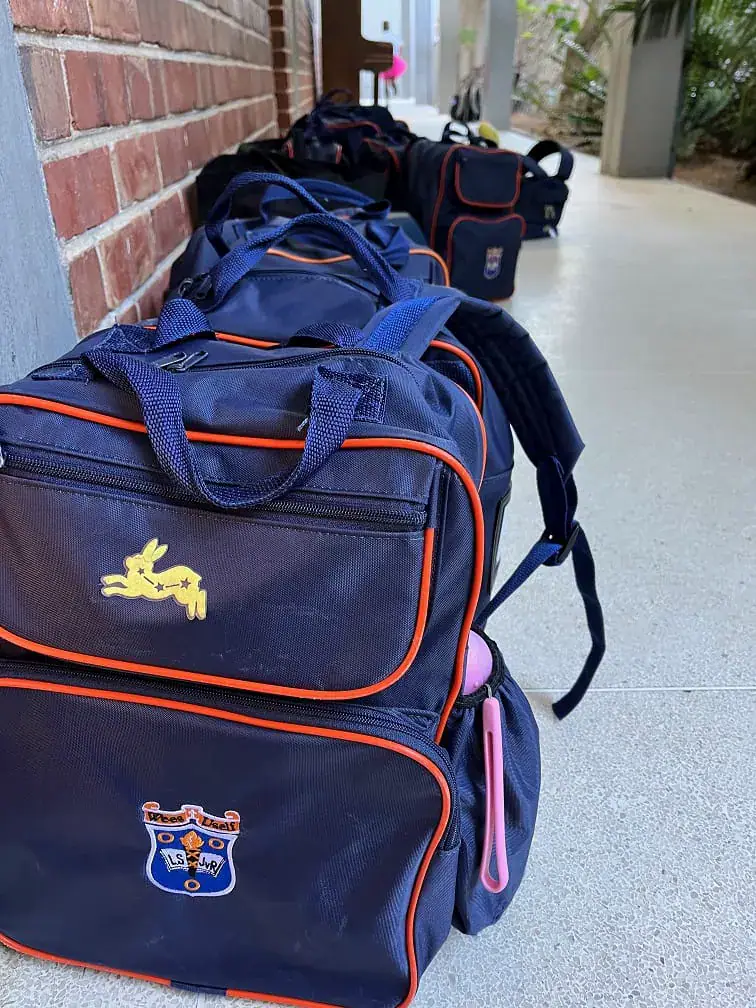
A recent study conducted by the North West University (NWU) has found that Grade 8 learners in South Africa carry the heaviest school bags, weighing an average of 10.6 kg. This is nearly double the weight of the bags carried by their Grade 7 counterparts, which averaged 6 kg. The study, titled "The Influence of Relative Schoolbag Mass on Gait Biomechanics of South African Adolescents: The Role of Sex and Grade," was conducted by Clément N. Gambelli, Suleen Peens, Andries F van Oort, and Mark Kramer from the NWU's focus area for physical activity, sport, and recreation.
The study involved 186 South African teenagers between the ages of 12 and 18, who were assessed for the weight of their school bags and the impact on their gait biomechanics. The results showed that Grade 8 learners' school bags accounted for 18.4% of their body weight, with 67% of them carrying bags that exceeded 15% of their body weight. In comparison, 58% of all participants carried bags that exceeded this threshold. The study's findings have raised concerns about the physical burden that school children in South Africa have to carry daily.
According to the study, the weight of school bags has a noticeable impact on teenagers' walking patterns. Researchers found that learners who carried school bags walked with longer strides and spent more time with both feet supporting their body weight. The forces and pressure exerted on different parts of their feet also increased. The heavier the school bag in relation to the learner's body weight, the greater the forces and pressure measured, particularly around the heel and forefoot.
While the study did not establish a direct link between heavy school bags and pain or injuries, it highlights the physical strain that heavy bags can place on growing teenagers. The significant increase in school bag weight between Grade 7 and Grade 8 also raises questions about the amount of school material that learners need to carry daily. The study suggests that parents and schools should consider whether it is necessary for learners to carry all their textbooks and school material between home and school every day.
The researchers recommend that schools and parents explore alternative solutions, such as storing some materials in classrooms or lockers, to reduce the weight of school bags. This could help alleviate the physical burden on learners and promote healthier walking habits. The study's findings are particularly relevant as South Africa prepares for the 2027 school year.
The study's results have implications for the education sector, particularly in terms of the infrastructure and resources provided to learners. The researchers hope that their findings will contribute to a re-evaluation of the school bag policy and the implementation of measures to reduce the weight of school bags carried by learners.
The study's lead researchers emphasize the need for a collaborative effort to address the issue of heavy school bags and promote healthier practices among learners. By working together, parents, schools, and policymakers can help reduce the physical burden on learners and promote a healthier and more sustainable approach to education.
Key points
- Grade 8 learners in South Africa carry school bags weighing an average of 10.6 kg, which is nearly double the weight of bags carried by Grade 7 learners.
Reporting sources
- Graad 8-leerders dra swaarste tasse · Maroela Media