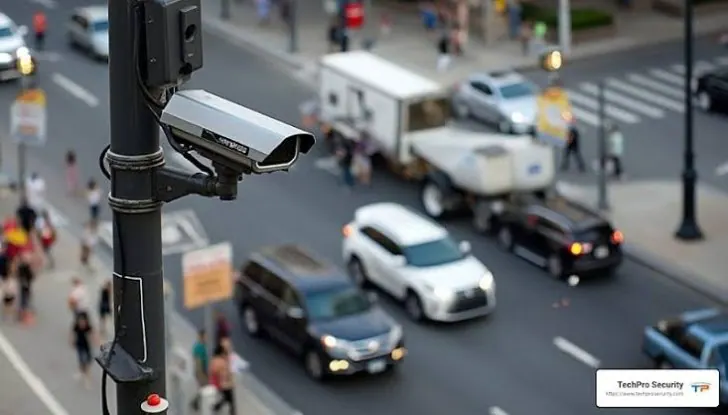
The Ghana Private Road Transport Union (GPRTU) has formally requested that the Ghana Police Service postpone the full implementation of the TRAFFITECH-GH automated traffic enforcement system to 2027. The system, scheduled to take effect on November 1, 2026, uses cameras at intersections to detect and penalize traffic violations. GPRTU cites inadequate preparation and insufficient public education as primary concerns. The union argues that commercial drivers, who will be heavily affected, are not ready for the new system.
The TRAFFITECH-GH system aims to modernize traffic law enforcement in Ghana by moving away from manual policing to camera-based monitoring. It can automatically detect violations such as running red lights, speeding, or other breaches of road traffic regulations. Proponents argue that this system can reduce human interference and improve road safety. However, GPRTU is worried that commercial drivers will face unexpected fines and disputes without proper education on the system.
The GPRTU's main concerns center on the potential impact on commercial drivers, including trotro and taxi operators, who navigate busy intersections daily. A sudden shift to automated enforcement could expose drivers to fines for infractions they may not fully understand. The union believes that a delay will allow for adequate sensitization and education on how the system works, what violations it flags, and how penalties will be issued and contested.
The stakes are significant for the thousands of commercial drivers who rely on daily transport fares for their livelihoods. Without clear public education, drivers could face unexpected financial penalties or disputes with authorities over tickets they claim they did not know were coming. The GPRTU's request reflects concerns that the transition could create friction between commercial drivers and police.
As of now, the TRAFFITECH-GH system remains scheduled for full implementation on November 1, 2026. The Ghana Police Service has not publicly responded to the GPRTU's request for a delay to 2027. No official decision on changing the rollout timeline has been announced, and it is unclear what form of public education campaign will be rolled out before the deadline.
The GPRTU's request highlights the challenges of implementing a new automated traffic enforcement system in Ghana. The union's concerns emphasize the need for adequate preparation and public education to ensure a smooth transition. The outcome of the GPRTU's request and the implementation of TRAFFITECH-GH will have significant implications for commercial drivers and road safety in Ghana.
The implementation of TRAFFITECH-GH is part of Ghana's efforts to modernize traffic law enforcement. The system's success will depend on effective public education and adequate preparation. The GPRTU's request for a delay reflects the need for a careful and well-planned rollout to avoid disruptions to commercial drivers and the public.
Key points
- GPRTU requests delay in implementing TRAFFITECH-GH system
- Concerns over inadequate preparation and public education
- System aims to modernize traffic law enforcement in Ghana