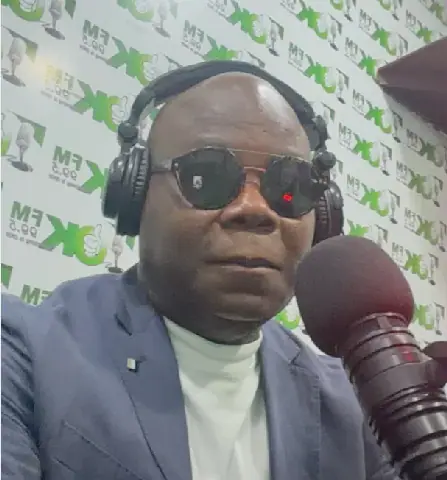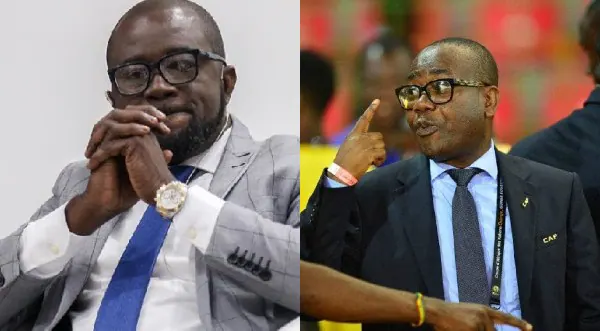
Seven years into Kurt Okraku's GFA presidency, Ghana's top league still has no headline sponsor. The Ghana Premier League has gone without a title sponsor since the 2022/23 season, and the Ghana Football Association admitted in 2026 that efforts to secure one were still ongoing. This is a sharp contrast to the era of Kwesi Nyantakyi, Okraku's predecessor, under whom First Capital Plus signed a five-year, $10 million sponsorship deal in 2014.
Okraku's 2019 'GameChanger' manifesto was built on four pillars: transparency, accountability and annual audits; gender and equity; good corporate governance; and professionalism, innovation and investment. One of the central promises was to make the Premier League autonomous, with clubs taking greater control of the competition while the GFA retained a special interest. The Association did set up an Autonomous Premier League company structure, but the process of handing real power to clubs has stalled.
Financial support to clubs has grown, with each of the 18 Premier League clubs now receiving GH¢1 million in GFA support ahead of the 2026/27 season. The eventual champions will collect GH¢3 million. Okraku's manifesto had also promised upgraded training pitches, 50 footballs and 30 pairs of boots annually for clubs, plus medical and club-support funds. However, it remains an open question whether these injections of cash have produced financially sustainable clubs.
The domestic game faces problems that predate the current administration, including poor playing surfaces, controversial refereeing and falling stadium attendance. President John Mahama recently warned that poor refereeing and suspicions of match manipulation were pushing fans away from stadiums and cutting into club revenues. Okraku's manifesto had promised a 'Catch Them Young' policy for referees and performance-based recognition for officials, but officiating standards remain a contentious issue.
The clearest contrast between the two eras lies with the national team. Nyantakyi's period saw Ghana qualify for three World Cups, including the historic run to the quarter-finals in South Africa in 2010. Okraku's administration has also delivered World Cup qualification, but AFCON performances have declined sharply. Ghana exited the group stage at both the 2021 and 2023 tournaments before failing to qualify for the 2025 edition.
The GFA has assembled a star-studded panel to lead the search for a new Black Stars coach, following the departure of Carlos Queiroz after just seven matches. Former Black Stars player Mohammed Polo has rejected calls for Ghana to withdraw from the AFCON qualifiers altogether amid the turmoil. Club executives, such as Aduana FC's leadership, have publicly defended Okraku, saying clubs remain supportive of the GFA president despite resignation calls.
Okraku's record looks stronger in women's football, with the Black Queens returning to the 2023 WAFCON after missing the 2022 edition. However, the women's game still faces challenges, and the GFA has a lot of work to do to revive the Colts football and improve the overall structure of the national teams. The Association has invested in referee development and youth football initiatives, but the results are yet to be seen.
Key points
- The Ghana Premier League has gone without a headline sponsor since the 2022/23 season.
- Okraku's 2019 'GameChanger' manifesto remains unfinished business, with many promises yet to be fulfilled.
- The Black Stars have struggled with coaching changes and qualification setbacks under Okraku's administration.