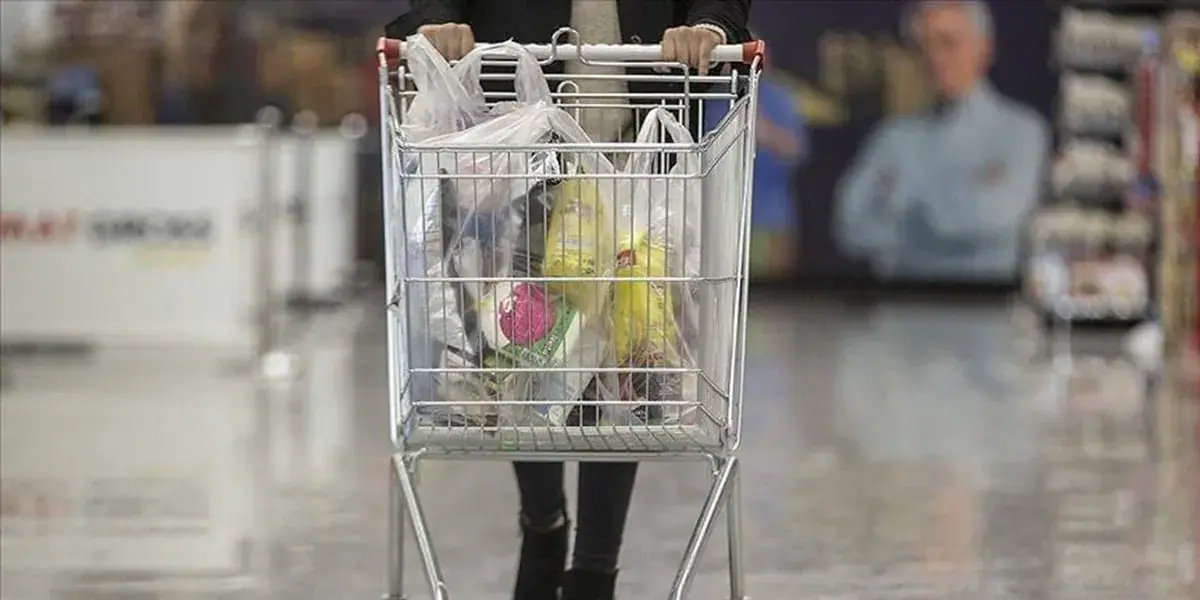
In recent months, governments around the world have been issuing recommendations to their citizens, urging them to keep emergency supplies at home. The recommended duration of these supplies varies from country to country, ranging from three days to ten days. This initiative aims to prepare populations for crises that may disrupt essential services, such as natural disasters, cyberattacks, or armed conflicts.
The UK government recently launched a national campaign called "Be Ready" on October 22, 2026, encouraging households to have sufficient supplies to last three days in case of disruptions. The recommended items include drinking water, non-perishable food, a first-aid kit, essential medications, a flashlight, a battery-powered radio, an external phone battery, and cash.
The UK authorities recommend that households have at least three liters of drinking water per person per day. This is to ensure that families can continue to meet their basic needs in case of power outages, water shortages, internet disruptions, or transportation and distribution network disturbances.
Japan's Disaster Management Agency also issued a request on November 2, 2026, advising citizens to stock up on water and food for at least three days, and ideally a week. The recommendation also includes portable toilets and hygiene products. This advice is given in the context of significant seismic risks, including earthquakes that may affect the Nankai Trough, the Tokyo region, and other areas, as well as the risk of a Mount Fuji eruption.
However, the recommendations are not uniform across countries. In Germany, the Federal Office for Civil Protection advises households to be able to meet their needs for ten days. In Sweden and Norway, authorities recommend approximately one week's worth of supplies.
The European Commission presented its crisis preparedness strategy in March 2025, which includes a minimum autonomy goal of 72 hours for the population. This strategy covers several categories of risks, including armed conflicts, cyberattacks, climate disasters, health crises, and disruptions to essential infrastructure.
The underlying concern behind these recommendations is that modern societies are heavily dependent on interconnected networks, which can quickly affect daily life if disrupted. A prolonged power outage can disrupt telecommunications, payment systems, water supplies, and the functioning of businesses.
Key points
- Governments are advising citizens to stock up on emergency supplies, including food, water, and essential items, in preparation for potential crises.
- The recommended duration of emergency supplies varies from country to country, ranging from three days to ten days.
- The goal of these recommendations is to prepare populations for crises that may disrupt essential services, such as natural disasters, cyberattacks, or armed conflicts.