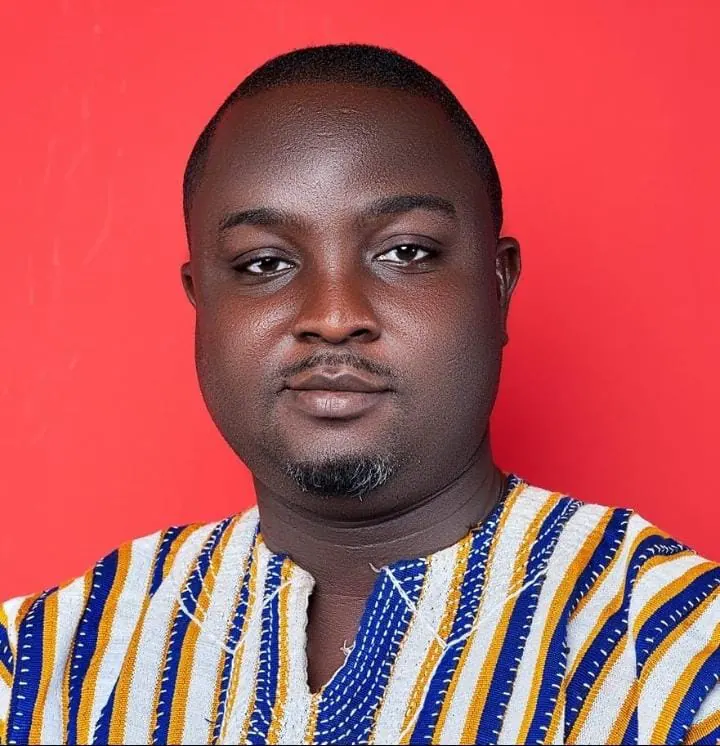
The Ahafo Regional Communication Director of the New Patriotic Party (NPP), Alfred Asiedu, has expressed concerns over the circumstances surrounding the arrest of Techiman-based nurse Salomay Awity Bafoh. According to him, the reported midnight operation in which Bafoh was taken from her residence in Hansua, Techiman, by persons who identified themselves as National Security operatives raises serious questions about due process and the rule of law. Bafoh was arrested on September 13, 2026, over alleged links to the controversial TikTok account known as “Ghana Jollof.”
Asiedu argued that the manner of the arrest could inadvertently provide a blueprint that criminal groups could imitate. He said the reported use of a midnight operation, without the immediate presentation of an arrest warrant or clear disclosure of the whereabouts of the suspect, could make it easier for criminals to disguise themselves as security operatives and abduct unsuspecting citizens. “This midnight tactic creates a blueprint for criminals and can be adopted as a modus operandi for kidnapping,” Asiedu said.
The circumstances surrounding Bafoh's arrest have been shrouded in mystery, with her family initially saying they were unable to establish her whereabouts. Regional police and National Security officials reportedly indicated that they had no record of the operation at the time. Asiedu said the circumstances were particularly concerning because Ghana operates within a sub-region where several neighbouring countries have faced serious security threats.
The Police Service has since provided a different account of the case. At a press briefing on September 18, 2026, the Director-General of the Criminal Investigations Department (CID), COP Lydia Yaako Donkor, said investigations had established that Bafoh allegedly assisted Barbara Asantewaa Kodua, whom the police identify as the person behind the “Ghana Jollof” account, by recruiting others to redistribute the account’s videos across social media platforms.
According to the police, forensic examination of Bafoh's mobile phone and mobile-money transaction records had uncovered alleged financial links involving persons connected to the activities. The police position contrasts with the initial account from Bafoh's family, who had denied any connection between her and the “Ghana Jollof” account. Bafoh has since appeared before court and remains in custody as investigations continue.
Asiedu insisted that the broader issue goes beyond the individual case and concerns the methods used by state security institutions. He said Ghana’s democratic credentials depend not only on fighting crime and protecting national security but also on ensuring that citizens are treated according to established laws and constitutional procedures. “This is not how democracy under the rule of law should operate,” he stressed.
The controversy surrounding Bafoh’s arrest has therefore shifted from an initial mystery over her whereabouts to a wider national debate about security operations, due process, citizens’ rights and the limits of state power in Ghana’s constitutional democracy. Asiedu maintained that security agencies have a responsibility to protect citizens while respecting constitutional safeguards, insisting that the pursuit of individuals suspected of wrongdoing should not undermine the principles of due process.
Key points
- Ahafo NPP Communication Director Alfred Asiedu criticizes government's handling of Salomay Bafoh's arrest.
- Asiedu warns that the manner of the arrest could promote kidnapping.
- The police have provided a different account of the case, alleging Bafoh's involvement in the “Ghana Jollof” account.