The Ugandan government is reconsidering its plan for managing waste in Kampala, the country's capital. Initially, the plan involved dumping waste at a proposed landfill site in Buyala. However, President Museveni recently halted the project due to concerns about the site's proximity to an existing oil plant. This decision has led to a re-evaluation of the waste management strategy, with a focus on recycling and material recovery.
The government's change of heart comes after it had already spent 16 billion shillings acquiring 230 acres of land for the Buyala landfill project. This move has raised questions about whether adequate due diligence was conducted before committing taxpayers' money to the project. The government had hoped to address Kampala's waste management issues with the new landfill, but it now appears that alternative solutions will be explored.
According to reports, the proposed Buyala landfill was intended to provide a long-term solution to Kampala's waste management problems. However, concerns about the site's location and potential environmental impacts led to President Museveni's intervention. The government's decision to reconsider its approach has been welcomed by some, who argue that recycling and material recovery could provide a more sustainable solution to the city's waste management challenges.
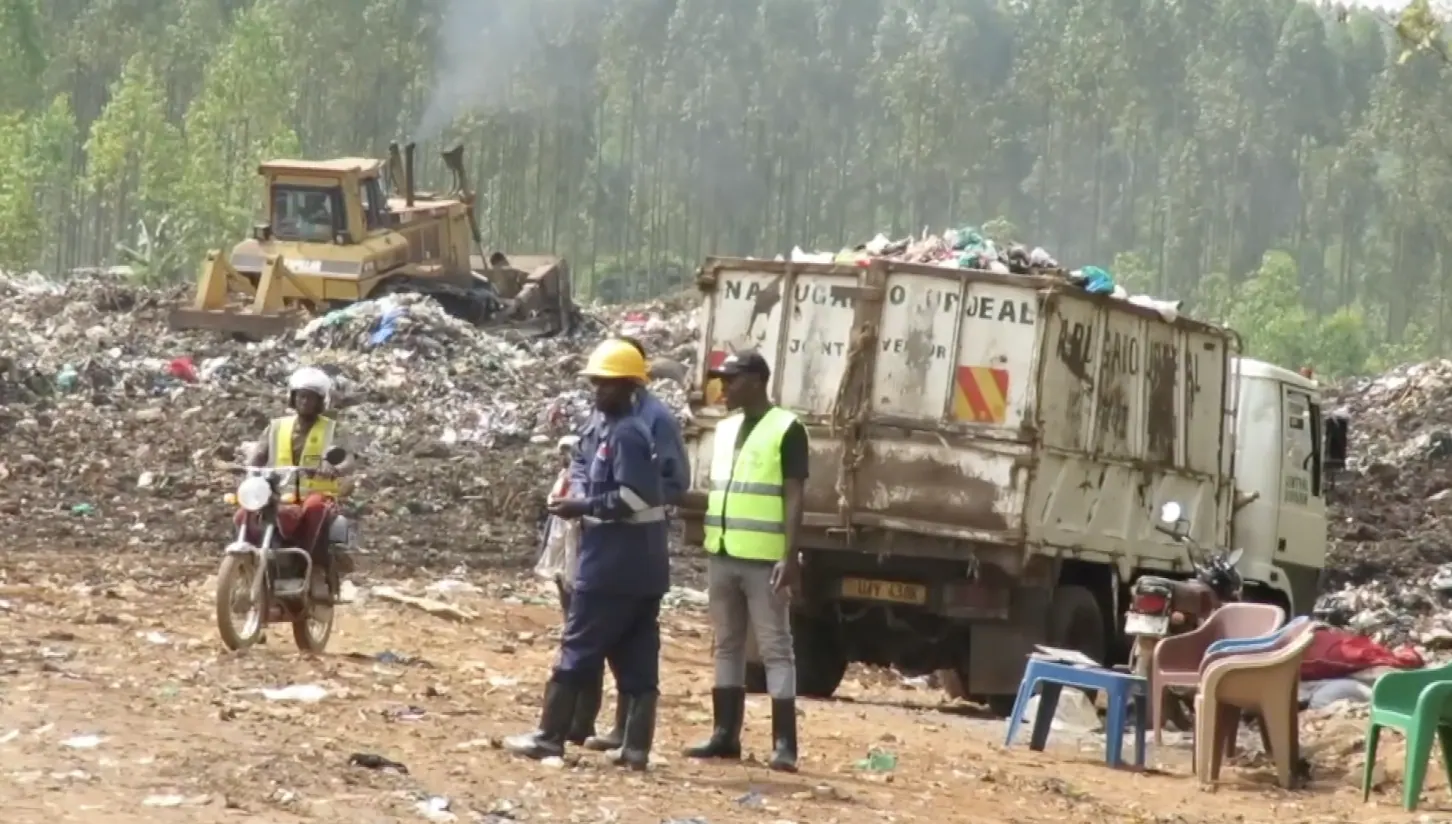
Kampala, like many rapidly growing cities in Africa, faces significant waste management challenges. The city's population has been increasing rapidly, putting pressure on existing infrastructure and services, including waste management. The government's efforts to address these challenges have been ongoing, but it appears that more work needs to be done to find effective and sustainable solutions.
The re-evaluation of the waste management plan is also seen as an opportunity to engage with stakeholders and consider alternative approaches. Recycling and material recovery are being considered as potential solutions, with the aim of reducing the amount of waste sent to landfills. This approach could also provide economic benefits, such as job creation and the generation of revenue from the sale of recyclable materials.
While the government's decision to reconsider its waste management plan may be seen as a setback, it also presents an opportunity to develop a more effective and sustainable solution. The involvement of stakeholders, including local communities and experts, will be crucial in shaping the new approach. The government has spent significant resources on the Buyala landfill project, but it is not clear whether the project will be revived or abandoned.
The government is expected to announce its new waste management plan for Kampala in the coming weeks. The plan is likely to involve a combination of recycling, material recovery, and other approaches aimed at addressing the city's waste management challenges. Key stakeholders, including local residents and business owners, will be watching closely to see how the government intends to tackle this critical issue.
Key points
- President Museveni halted the proposed Buyala landfill project due to concerns about its proximity to an existing oil plant.
- The government spent 16 billion shillings acquiring 230 acres of land for the Buyala landfill project.
- The new waste management plan is expected to focus on recycling and material recovery.