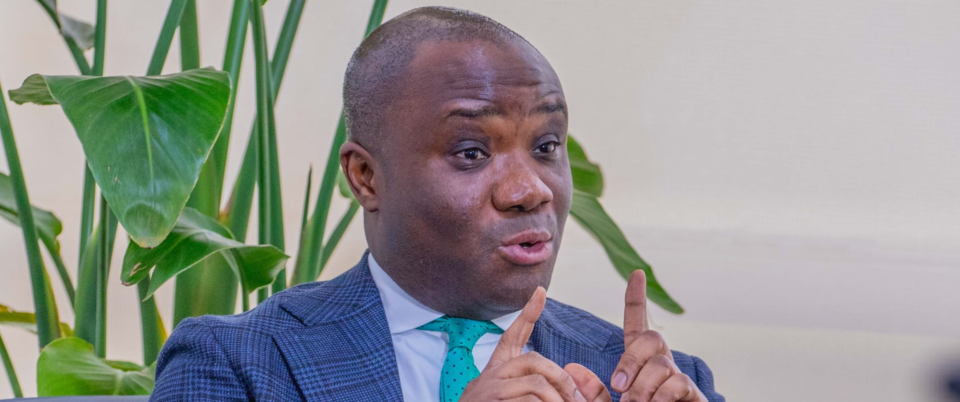
The Ghanaian government has pushed back against claims that the country is becoming a "cocaine coast," with Government spokesperson Felix Kwakye Ofosu arguing that recent drug seizures and arrests demonstrate that security agencies are actively disrupting trafficking operations. Speaking on Joy News' PM Express, Ofosu emphasized that it is misleading to lump all drug-related cases together and use them to portray Ghana as a hub for cocaine trafficking.
Ofosu's comments come amid growing concerns over major drug seizures linked to Ghana. The Minority in Parliament has pushed for an inquiry into the country's alleged emergence as a narcotics transit hub, citing a series of seizures, including the nearly 3.9 tonnes of cocaine intercepted by French customs in September. The Minority subsequently sought the recall of Parliament to examine the issue, with Parliament being recalled on September 29.
However, Ofosu said that drug cases detected and disrupted by Ghanaian agencies should not be presented as evidence that the country is a cocaine hub. He pointed specifically to the role of the Narcotics Control Commission and the police in fighting illegal drug activity. "What does NACOC exist to do? To apprehend and prevent drug trafficking, not so much drug use, illegal drug use, for that matter," he said.
Ofosu acknowledged that drug consignments that evade Ghanaian security agencies and are intercepted abroad remain a concern. He said President John Mahama had convened a meeting of security agencies over the issue and demanded stronger collaboration. According to him, the meeting exposed tensions among agencies over control of the ports, including problems with information sharing.
The President reportedly directed the agencies to end the rivalry, share information, and produce a roadmap to strengthen the country's ports against drug trafficking. Ofosu said the government's position is clear: Ghana must not become a transit point for international drug trafficking. He rejected attempts to describe every drug seizure as evidence that the country is a cocaine hub.
The issue has sparked concerns about the country's ports and the potential for drug trafficking. Ofosu said that six other people are in custody as Ghana investigates drug trafficking through ports. He also emphasized that the government will not tolerate Ghana's borders becoming a transit point for drug trafficking.
The government's stance on the issue has been reiterated amid reports that the international community is seeing Ghana as a 'cocaine coast.' Ofosu's comments reflect the government's efforts to address concerns about the country's role in international drug trafficking and to emphasize the effectiveness of its security agencies in disrupting trafficking operations.
Key points
- Government spokesperson Felix Kwakye Ofosu rejects 'Cocaine Coast' claims, citing recent drug seizures as evidence of effective security measures.