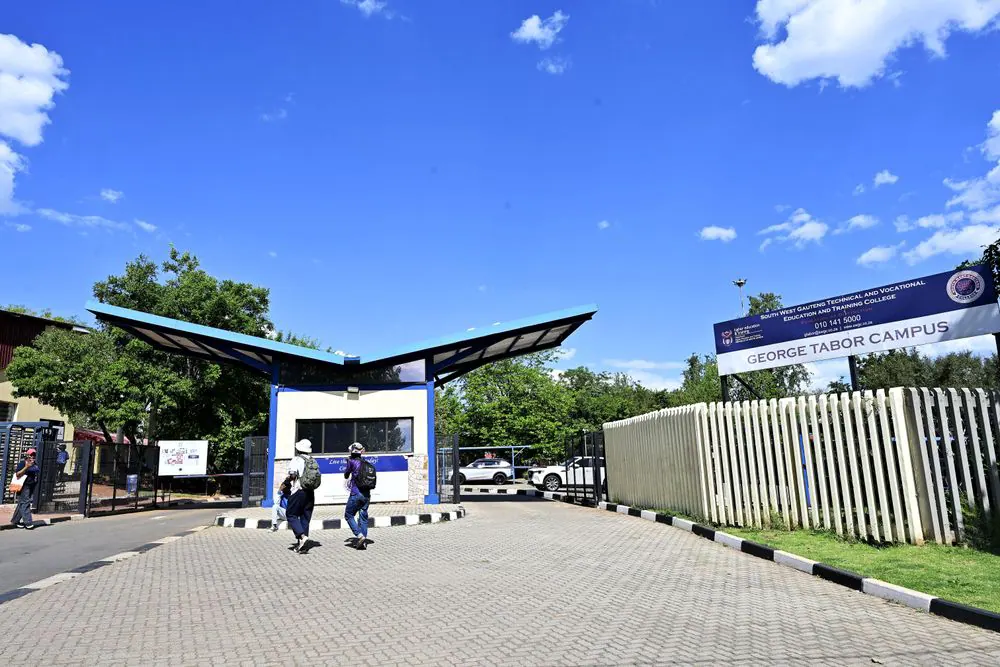
The South African government is working to change the long-standing perception that university is the only route to a successful career by positioning Technical and Vocational Education and Training (TVET) colleges as a first choice for young people. Higher Education and Training Minister Buti Manamela's department is intensifying efforts to promote TVET colleges, acknowledging that changing deeply entrenched attitudes towards vocational education would take time.
For generations, university education has been associated with professional success, social mobility, and a better future. The department, through its spokesperson Matshepo Seedat, said it was working to close the gap through awareness campaigns, curriculum reforms, and modernising TVET college facilities. The initiatives include the annual TVET Month campaign, which marked its 11th anniversary in August 2026.
The department is modernising TVET colleges, with 64 Fourth Industrial Revolution laboratories expected to be funded and established by the end of the 2026 financial year. This will ensure that every public TVET college has access to an advanced laboratory. The government is not encouraging every matriculant to pursue university; instead, it is placing TVET colleges at the centre of a national "skills revolution", with the economy in urgent need of specialised technical skills.
The department is working towards the National Development Plan target of producing 30 000 qualified artisans annually by 2030. Manamela believes that improving progression pathways could help dismantle the stigma attached to vocational education. Seedat said students should be able to move from a TVET qualification into higher technical education without losing credits.
The department is expanding career guidance through its Khetha Career Services network, which has provided advisory services to more than 250 000 active clients and learners. The programme aims to expose learners to apprenticeships, technical training, and vocational opportunities before they make their tertiary education choices.
The department is replacing legacy NATED Report 191 programmes with QCTO-accredited occupational qualifications, while introducing fields such as artificial intelligence, robotics, software engineering, and the Internet of Things through partnerships with technology companies. Manamela said the next 24 to 36 months should bring visible changes to TVET colleges, including curriculum reforms, infrastructure upgrades, and improved governance.
The TVET Infrastructure and Efficiency Grant is expected to increase to more than R900 million by 2028/29, supporting student housing and safer campus environments. The aim is ultimately to shift TVET education from being viewed as a second-choice option to a preferred pathway into employment, entrepreneurship, and technical careers.
Key points
- The government aims to produce 30 000 qualified artisans annually by 2030.
- The department is modernising TVET colleges with 64 Fourth Industrial Revolution laboratories.
- The TVET Infrastructure and Efficiency Grant is expected to increase to more than R900 million by 2028/29.