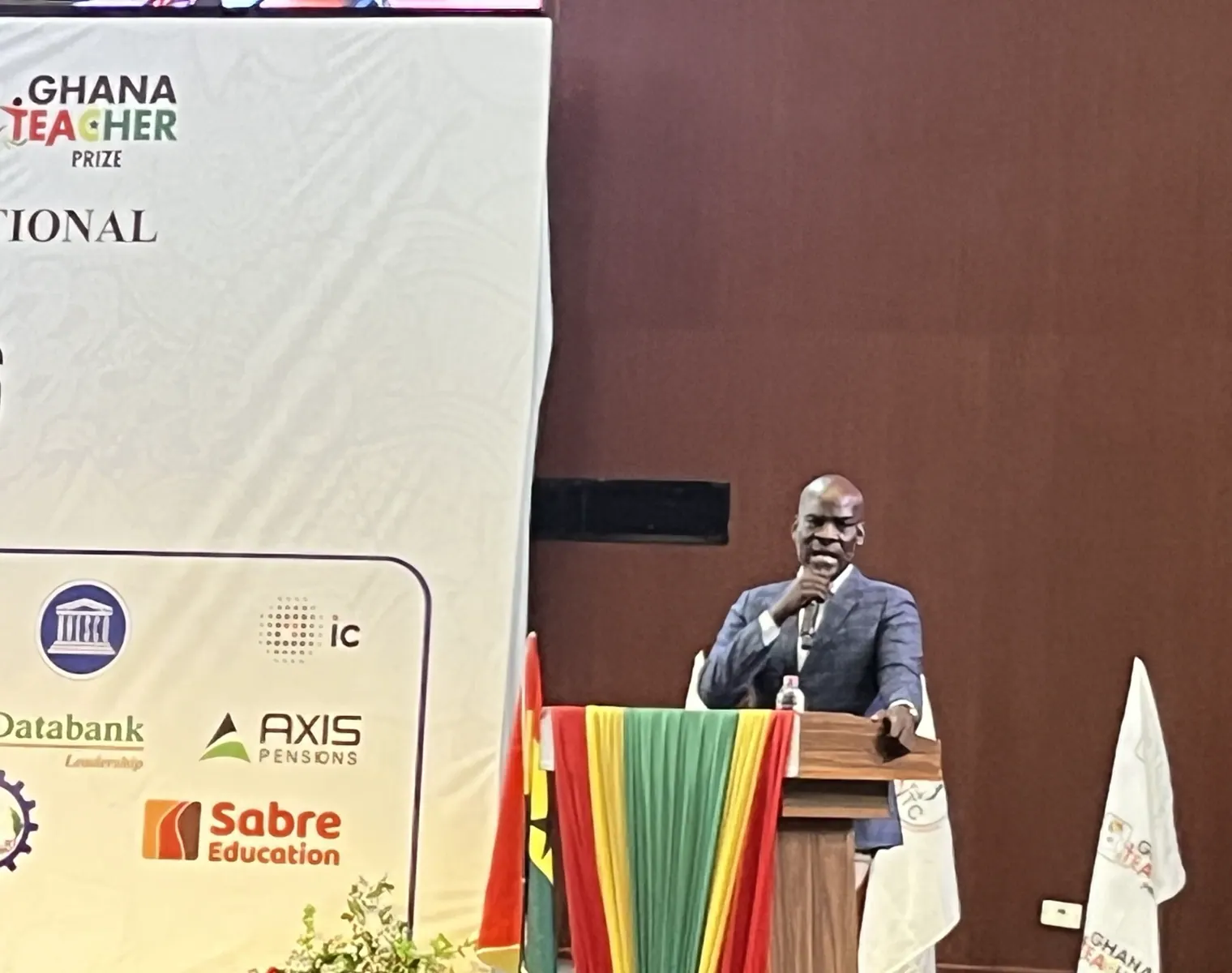
The Minister of Education, Haruna Iddrisu, has reaffirmed the government's commitment to resolving outstanding grievances of teachers in Ghana. These grievances include the payment of promotion arrears and the implementation of the deprived-area allowance. The minister made this statement at the Ghana Teacher Prize ceremony, which aims to commemorate teachers and recognize their contribution to national development.
According to Mr. Iddrisu, the government has initiated processes to address the concerns raised by teacher unions and improve conditions of service in the education sector. The Fair Wages and Salaries Commission, with the support of the Ministry of Finance, will engage with teacher unions on their expired collective agreement on conditions of service. This move is expected to bring relief to teachers who have been waiting for the implementation of their agreements.
The government is also committed to fulfilling its manifesto pledge on the payment of a deprived-area allowance to teachers serving in underserved communities. To ensure effective implementation, discussions are ongoing to validate data on deprived schools and communities to determine who qualifies for the allowance. Mr. Iddrisu emphasized that there is absolute government commitment to the manifesto pledge, and what is needed now is data validation.
In addition to addressing the deprived-area allowance, the government has committed resources to clearing outstanding promotion arrears to teachers. The Ghana Education Service, in collaboration with relevant institutions, has been tasked with validating the records of teachers who have been promoted but are yet to receive their new salary grades and associated arrears. This exercise is expected to cover over 51,000 teachers.
The education minister commended teachers for their contribution to the country's development, describing them as the "architects" of every profession. He emphasized that no profession is possible without teachers and therefore, they deserve recognition and celebration. The minister also disclosed that President John Dramani Mahama has approved a new integrated model for basic education infrastructure.
The new integrated model aims to bring key basic education facilities together within a single development to ensure more efficient use of resources and improve access to quality education. Under the proposed model, a basic school complex will include kindergarten, primary, and junior high school facilities, as well as laboratories, libraries, and information technology facilities. The government has directed Metropolitan, Municipal, and District Assemblies to ensure that new basic education infrastructure reflects the integrated model.
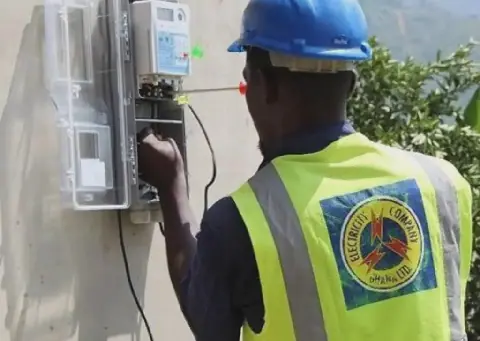
The initiative is part of efforts to address infrastructure deficits in the education sector, particularly the large number of schools without electricity. About 10,750 schools across the country are still without electricity, affecting approximately three million children. The government will work to mobilize resources through appropriate funding mechanisms to reduce the infrastructure deficit and ensure that pupils and teachers have access to better learning environments.
Key points
- The government has committed to resolving outstanding grievances of teachers, including the payment of promotion arrears and implementation of the deprived-area allowance.
- A new integrated model for basic education infrastructure has been approved to improve access to quality education.
- About 10,750 schools in Ghana are still without electricity, affecting approximately three million children.