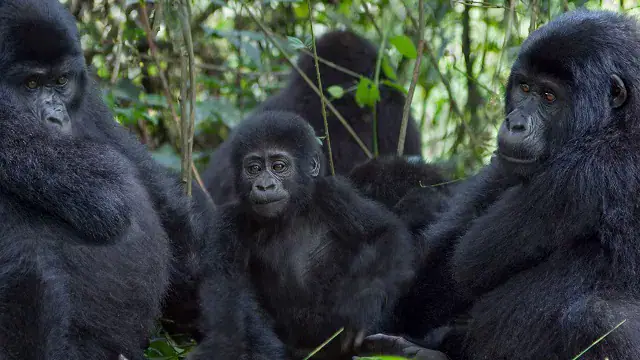
A recent assessment of the Gorilla Friendly Pledge, a campaign aimed at promoting responsible gorilla tourism, has highlighted significant gaps in the enforcement of visitor rules, staff training, and tourism marketing in Uganda and Rwanda. The assessment, conducted by the International Gorilla Conservation Programme (IGCP), involved 250 respondents, including tourists, tour operators, conservation organizations, park managers, and local communities. The findings suggest that while awareness of responsible gorilla tourism is high, it has not consistently translated into practice, potentially undermining efforts to protect gorillas while sustaining tourism revenues.
The assessment, which was conducted between December 2025 and February 2026, found that 95.2% of respondents had taken the Gorilla Friendly Pledge, while 73.6% had participated in related training. However, only 33.2% had shared information about the pledge with tourists, revealing a significant gap between training participation and communicating the initiative to visitors. The report also identified concerns about changes in gorilla health and behavior, including changes in body condition and stress levels, altered dietary preferences, and increased movement into farmland.
The report raises concerns about disease risks, as mountain gorillas are particularly vulnerable to human-borne diseases due to their close genetic relationship with humans. Responsible tracking requires visitors to follow established rules, maintain a safe distance, wear masks where required, and avoid behavior that disrupts the animals' natural movements. The assessment also warns that reflective glass windows and attractive food plants around lodges can draw gorillas towards human settlements, creating additional risks for wildlife and people.
Wellard Makambo Molatu, executive director of IGCP, emphasized the importance of protecting the visitor experience through compliance with established visitation guidelines. He noted that the initiative was developed to ensure that the economic benefits of gorilla tourism do not undermine conservation efforts. Molatu said that the program was seeking feedback from tourism stakeholders to improve the initiative and support respectful interactions between tourists and gorillas.
The assessment recommends that the Uganda Wildlife Authority (UWA) strengthen enforcement of visitation rules, educate tour operators on best practices, and encourage responsible tourism information on commercial platforms. It also calls for a science-based assessment of tourism carrying capacity, measures to prevent interference with gorilla movements, and independent email channels linked to the pledge website to collect tourist feedback in real-time.
Charles Tumwesigye, UWA commissioner for field operations, welcomed the assessment and said that the authority was ready to work with partners to implement its recommendations. He noted that the program had been affected by the COVID-19 pandemic but welcomed its continued development. Tumwesigye added that the next stage should involve certification, with tourism operators and other partners expected to demonstrate their commitment to responsible practices.
The stakes extend beyond wildlife protection, as mountain gorillas are found naturally in only two areas: the Bwindi-Sarambwe ecosystem and the Virunga Massif, which spans Uganda, Rwanda, and the Democratic Republic of Congo. The latest published population benchmarks show the scale of the conservation achievement, although country-by-country figures are not provided. IGCP is a coalition involving Fauna & Flora, the World Wide Fund for Nature, and Conservation International, working with protected-area authorities in Uganda, Rwanda, and the Democratic Republic of Congo.
Key points
- The assessment recommends stronger enforcement of gorilla visitation rules, better preparation of tour guides, and improved monitoring of tourism activities to protect the endangered primates.
- The Gorilla Friendly Pledge was initiated in 2014 by IGCP and the Wildlife Friendly Enterprise Network before being relaunched in 2020.
- Mountain gorillas are particularly vulnerable to human-borne diseases due to their close genetic relationship with humans.