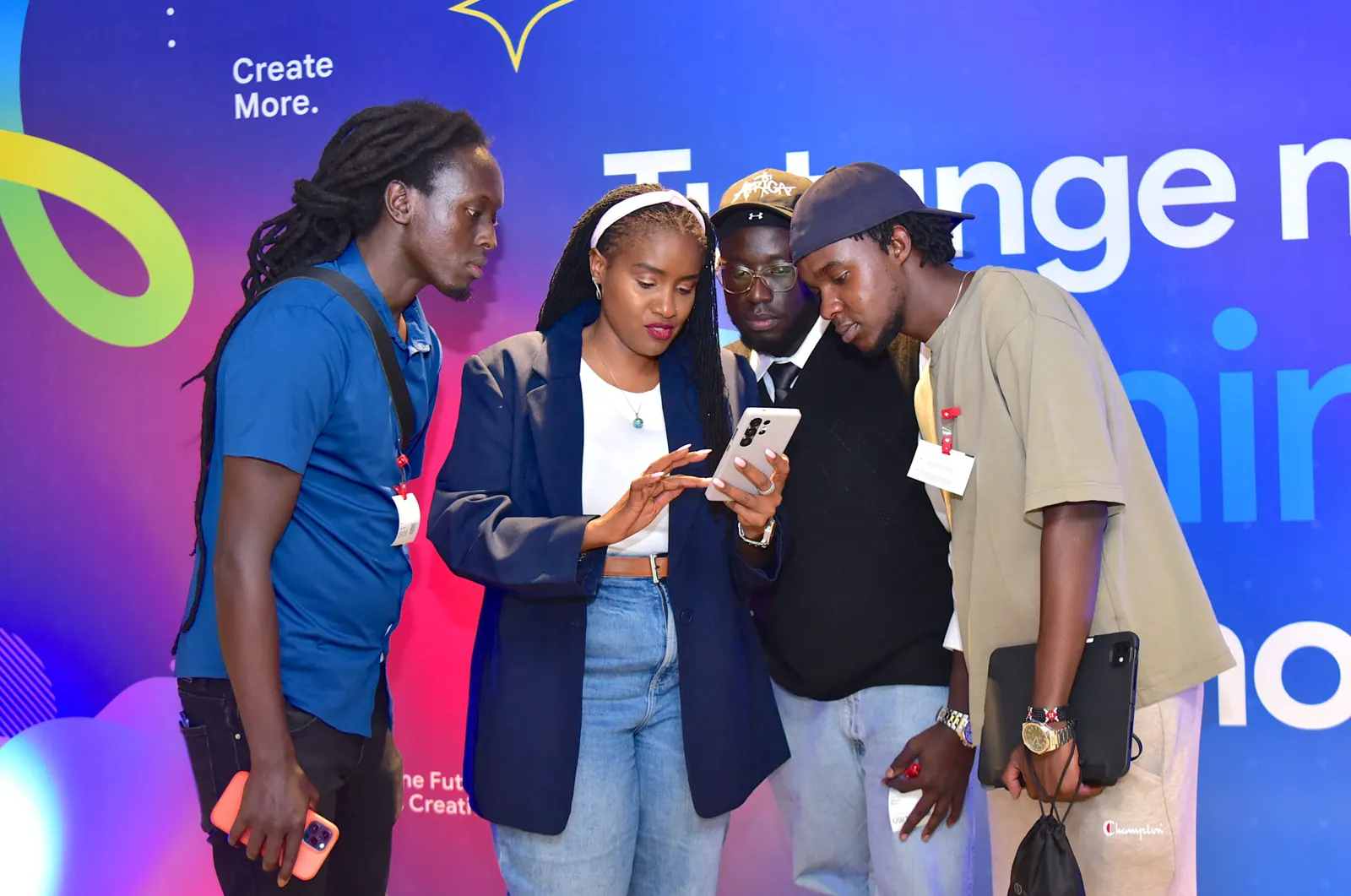
Google recently conducted a workshop in Nairobi, Kenya, titled Tutunge na Gemini, where it trained Gen Z creators, media professionals, and university students on how to incorporate artificial intelligence into their creative and learning workflows. The workshop provided participants with hands-on experience with Gemini, an AI tool that can be used for tasks such as research, brainstorming, writing, editing, and visual storytelling. This initiative aims to help participants understand the practical applications of AI in their daily work.
During the workshop, participants were introduced to various Gemini capabilities, including Nano Banana 2 and Gemini Omni, which can be used to develop visual assets, prototype ideas, and create promotional content. Other tools highlighted included Gemini Live, which allows users to interact with Gemini through conversation, and Gems, which can be customized to help users work through specific tasks and creative projects. These tools offer potential applications across the content production process, from developing initial ideas to refining copy and creating visuals.
The workshop also highlighted Google's Gemini Google AI Plus Student Offer, which gives eligible university students in Kenya access to advanced AI capabilities. The offer includes access to Gemini Omni, twice the usage limits in Gemini, and 400GB of cloud storage across Google Drive, Gmail, and Google Photos, alongside other AI-powered learning tools. This initiative aims to reduce the cost barrier that prevents some university students from accessing advanced AI tools, particularly those studying in institutions with fewer digital and research resources.
According to Janet Kemboi, Google's Head of Communications for Africa, the goal of the workshop was to help participants move beyond simply experimenting with AI and understand how it could become part of their everyday work. Kemboi emphasized that AI is most useful when it helps people turn their ideas into meaningful work. The workshop was designed to help creators, media professionals, and university students use Gemini across different stages of their work, from developing ideas to sharing stories.
Charles Murito, Google Regional Director of Government Affairs and Public Policy, Middle East & Africa, noted that the initiative was part of Google's efforts to expand access to AI tools among young people across Africa. Murito stated that the student offer could help bridge institutional resource gaps by enabling students at smaller public universities and technical colleges to gain access to the same research and synthesis tools used by global peers.
The workshop comes as generative AI tools increasingly become part of how people research, learn, create, and manage their daily work. Google is positioning Gemini not simply as a tool for generating text or images, but as an AI assistant that can understand the context of a user's work and support different parts of their workflow. Its capabilities include conversational assistance, collaboration, personalization, and agentic assistance, where AI can help users handle certain tasks and administrative activities.
The Tutunge na Gemini workshop gave participants an opportunity to exchange ideas and discuss how AI is changing the way stories are produced, presented, and consumed. For Google, the hands-on approach is intended to make AI less abstract by allowing users to learn through experimentation. As AI adoption grows across Kenya's creative, education, and media sectors, initiatives such as Tutunge na Gemini are increasingly putting the technology directly in the hands of the people expected to use it.
Key points
- Google trains Kenyan content creators and students on using AI for storytelling through its Tutunge na Gemini workshop.
- The workshop provided participants with hands-on experience with Gemini, an AI tool that can be used for tasks such as research, brainstorming, and visual storytelling.
- Google's initiative aims to expand access to AI tools among young people across Africa and bridge institutional resource gaps.