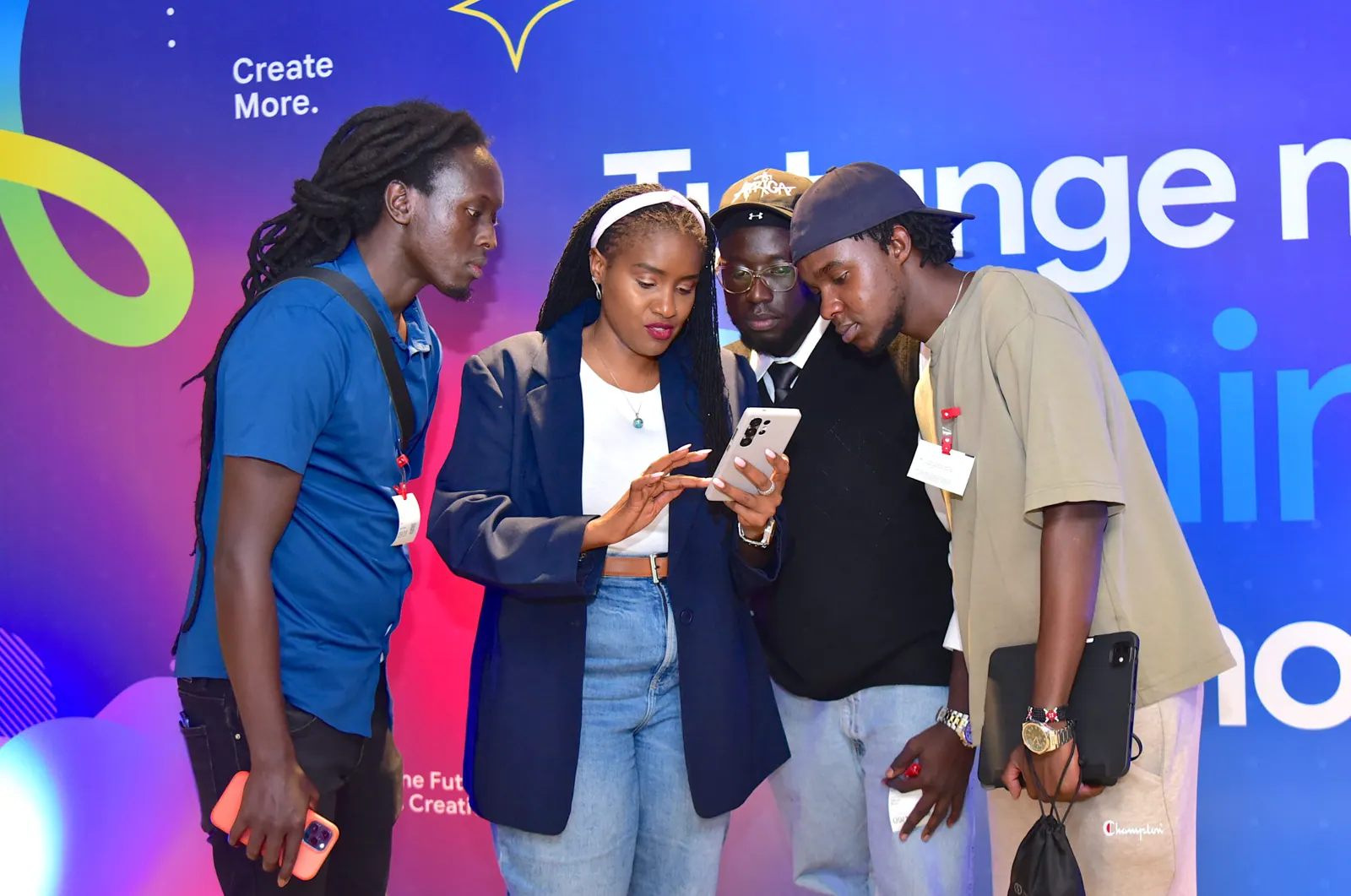
Google recently hosted a workshop in Nairobi, Kenya, dubbed "Tutunge na Gemini", which aimed to equip the country's growing community of digital creators, media professionals, and university students with hands-on training on using its Gemini artificial intelligence tools. The event provided participants with practical experience in using Gemini tools for brainstorming, research, writing, editing, visual creation, and content planning. This initiative is part of Google's broader effort to build practical AI literacy as generative AI becomes increasingly embedded in education, media, and creative industries across Africa.
During the workshop, Google demonstrated several Gemini tools, including Gemini Omni and Nano Banana 2, which can be used for creating visual assets, rapid prototypes, product photography, and promotional content. Participants also had the opportunity to test Gemini Live for conversational ideation and Gems for developing and refining customized workflows. According to Janet Kemboi, Google's Head of Communications for Africa, "AI is most useful when it helps people turn their ideas into meaningful work." The workshop aimed to give Kenya's creators, media professionals, and university students the opportunity to explore how Gemini can become part of their everyday creative and learning process.
The push comes as generative AI moves deeper into creative and professional work, putting pressure on creators, publishers, and students to develop practical skills in using the technology. Google's initiative is intended to support Kenya's growing community of digital creators and media professionals, who can leverage Gemini tools to enhance their work. The workshop highlighted the potential of Gemini to shift AI's role from a tool used for individual writing tasks toward a more integrated part of the production workflow.
Google also used the workshop to promote its Google AI Plus Student Offer, which gives eligible university students in Kenya access to advanced Gemini capabilities, including Gemini Omni, higher Gemini usage limits, and 400GB of cloud storage across Google Drive, Gmail, and Google Photos. This offer is intended to reduce the cost of accessing advanced AI tools for African students, particularly those at smaller public universities and technical colleges.
According to Charles Murito, Google's Regional Director of Government Affairs and Public Policy for the Middle East and Africa, the program could help students gain access to research and synthesis tools that may otherwise be constrained by institutional resources. The initiative demonstrates Google's commitment to upskilling African youth with the digital tools they need to succeed.
Beyond content generation, Google demonstrated Gemini's broader capabilities around contextual assistance, personalization, and agentic tasks, including helping users manage administrative work and schedules. These capabilities have the potential to transform the way creators and media professionals work, enabling them to focus on high-level creative tasks while AI handles more mundane tasks.
The Nairobi workshop is part of Google's broader effort to build practical AI literacy as generative AI becomes increasingly embedded in education, media, and creative industries across Africa. By providing Kenyan creators, media professionals, and university students with hands-on training on using Gemini AI tools, Google aims to support the development of a more digitally literate workforce.
Key points
- Google trains Kenyan creators, media professionals, and university students on using Gemini AI tools for research, storytelling, and content production.
- Google promotes its Google AI Plus Student Offer to eligible university students in Kenya, providing access to advanced Gemini capabilities and cloud storage.
- The initiative demonstrates Google's commitment to upskilling African youth with the digital tools they need to succeed.