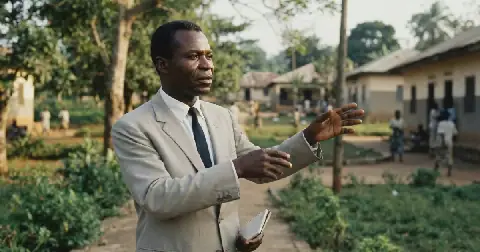
A recent study has challenged the common assumption that conflict among pastoralist communities is solely driven by scarcity. The research, conducted by Dr. Ken Mashisia Shikuku, a senior scientist, found that good seasons can also contribute to conflict by increasing livestock values, shifting migration patterns, and intensifying competition over grazing resources. The study combined household data with satellite vegetation measurements to examine the relationship between climate and conflict.
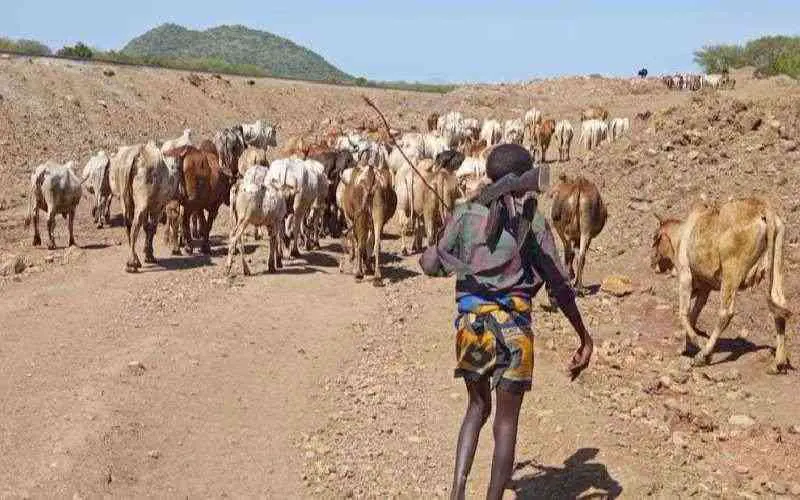
During poor seasons, dwindling pasture and water supplies force herders to move farther from traditional grazing areas, sometimes into territories claimed or occupied by other communities. This migration can lead to competition over resources, which can escalate into livestock raids and retaliation. Dr. Shikuku noted that migration is a common practice among herders, but when drought pushes them beyond their usual grazing areas, conflict can arise.
The study found that unusually good seasons can also be followed by increased violence. When the season is good, the condition of the animals improves, and the value of livestock goes up. This can increase the economic stakes around livestock theft, making it more attractive for communities to engage in raids. Improved pasture can also change migration patterns, creating new pressures that can contribute to conflict.
The research suggests that climate conditions affect conflict through several pathways, including resource availability, livestock movements, and the economic value of animals. The study also examined livestock insurance as a way of helping households absorb climate-related losses. Index-based insurance uses indicators such as vegetation conditions to trigger payouts when drought threatens livestock.
However, insurance alone cannot resolve disputes over grazing land and water. The study points to the importance of negotiated grazing arrangements, better management of shared resources, and alternative economic opportunities for young people. Dr. Shikuku emphasized that addressing climate-related conflict requires a comprehensive approach that takes into account the complex relationships between climate, livestock, and conflict.
Philip Osano, Chief Operating Officer of Landscape Alliance, emphasized the need for scientific evidence to guide responses to climate and development challenges. He called for stronger links between researchers and policymakers, noting that scientific evidence should inform policy, legislation, and development decisions. Osano stressed that Africa's development decisions must be guided by evidence to ensure effective solutions to the continent's development challenges.
The research challenges policymakers to look beyond drought when addressing climate-related conflict. A poor season can intensify competition by reducing pasture and water, while an exceptionally good season can increase livestock wealth and alter movement patterns, creating different pressures that can also contribute to conflict. The study's findings have implications for policymakers and practitioners seeking to address climate-related conflict in pastoralist communities.
Key points
- Good seasons can fuel conflict among pastoralist communities by increasing livestock values and intensifying competition over grazing resources.
- Climate conditions affect conflict through several pathways, including resource availability, livestock movements, and the economic value of animals.
- Addressing climate-related conflict requires a comprehensive approach that takes into account the complex relationships between climate, livestock, and conflict.