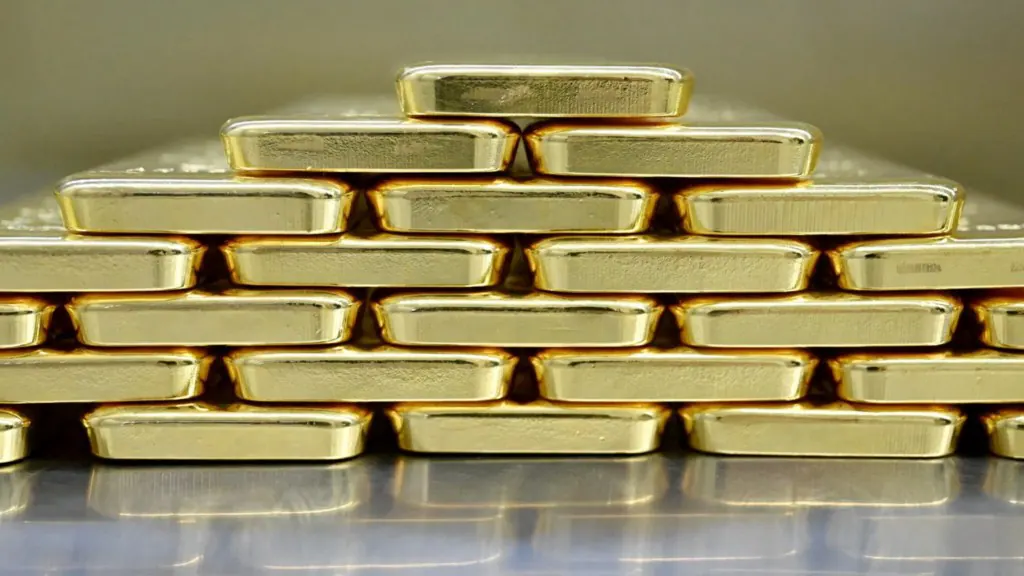
For decades, Ghana has been a significant gold producer, but the country's gold was shipped out as raw doré bars, with other countries profiting from refining, minting, and fabrication. This pattern is changing, with the Ghana Gold Board (GoldBod) now requiring gold aggregators to refine their doré on Ghanaian soil before export. The new policy, which took effect on September 1, 2026, aims to help Ghana capture more value from its gold production.
GoldBod was established under the Ghana Gold Board Act, 2025 (Act 1140), to replace the fragmented gold-trading system with a coordinated national framework. The state body is responsible for buying, assaying, and refining gold, as well as policing the supply chain and channeling gold receipts toward the Bank of Ghana's reserves. President John Mahama has framed the reform as a matter of national sovereignty, stating that Ghana intends to process its own minerals rather than export them raw.
According to GoldBod's chief executive, Sammy Gyamfi, nine metric tonnes of gold have already been refined domestically before export, demonstrating that the mandatory local-refining policy is functioning in practice. The policy aims to generate jobs and capital that would otherwise flow to refineries abroad by licensing domestic refineries and artisanal fabricators. This move is expected to formalize the downstream industry inside Ghana's borders.
However, economists warn that refining alone may not solve Ghana's underlying exposure to commodity price volatility. Prof. Peter Quartey has cautioned that relying heavily on gold export earnings for foreign exchange creates structural risk for the wider economy. A sudden swing in the international gold price can significantly impact the cedi, government revenue, and the trade balance.
Ghana's trade balance has experienced significant swings, illustrating its sensitivity to commodity-driven flows. The trade balance measured in cedi terms dropped from GHS54.1 billion in the first quarter of 2025 to GHS17.6 billion by the third quarter of 2025, before rising to GHS46.1 billion in the first quarter of 2026. Economists argue that the focus should be on how much of the value generated from gold stays inside the country and how effectively those earnings are converted into durable reserves.
The gold industry is crucial to Ghana's economy, directly impacting the strength of the cedi, fuel and goods prices, and the government's ability to fund public services. When gold earnings are strong, the currency and reserves benefit, easing pressure on prices. However, if global gold prices fall sharply, the same channel that delivered gains could transmit losses through a weaker cedi and tighter import cover.
The coming months will show whether GoldBod's refining push and reserve-building strategy can cushion the risk of a future price correction or simply capture more value from the same exposed commodity. The mandatory domestic-refining rule is now in force, but there is no specific timeline for further reforms, additional refining capacity targets, or measures to diversify Ghana's export base away from gold.
Key points
- Economists warn that Ghana's reliance on gold exports leaves the economy exposed to global price swings.
- GoldBod's refining push aims to help Ghana capture more value from its gold production.
- The country's trade balance remains sensitive to commodity-driven flows, particularly gold exports.