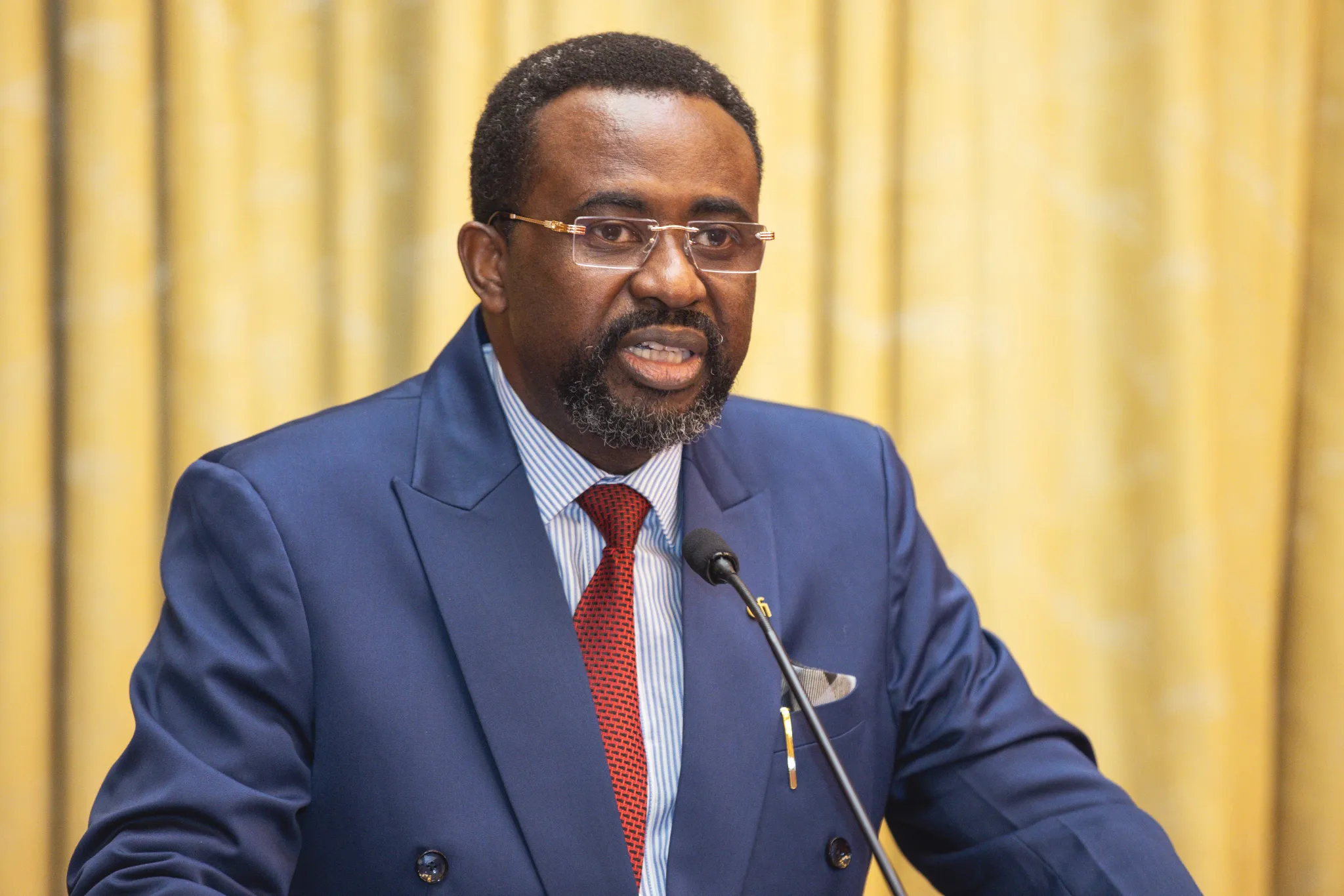
Gold export shipments from Ghana have resumed regularity following a slowdown in August. The Governor of the Bank of Ghana (BoG), Dr. Johnson Pandit Asiama, stated that the country's gold exports never stopped despite becoming less frequent. He made these comments at the Bank's 132nd Monetary Policy Committee press briefing in Accra.
Dr. Asiama said the latest shipments were already supporting Ghana's reserve accumulation. The country seeks to strengthen its foreign exchange buffers ahead of the traditionally high demand for foreign exchange in the final quarter of the year. The frequency of gold shipments had declined compared with the previous two quarters but had picked up again in September.
According to Dr. Asiama, only last week, the Ghana Gold Board (GoldBod) exported a significant amount of gold outside the country. He explained that the irregularity in shipments did not represent a major logistical risk to Ghana's external position. However, he noted that movements in international gold prices, influenced by external factors beyond the country's control, posed a more significant risk to Ghana's gold export receipts and reserve accumulation.
Dr. Asiama mentioned that when the US increases its policy rate, gold prices tend to be depressed. These exogenous factors are beyond Ghana's control and pose a risk to the country's gold export receipts. He added that stable gold prices would provide a stronger basis for continued shipments and reserve accumulation.
Ghana's gold exports remain a major contributor to the country's external sector. Total exports reached US$22.44 billion by August 2026. The country also recorded a current account surplus of US$5.11 billion as of June 2026. Official gold reserves increased from 24.4 tonnes valued at US$3.652 billion in June 2026 to 25.2 tonnes in August.
The Governor emphasized that rebuilding the country's reserves would remain a key priority for the Bank. This is particularly important ahead of the fourth quarter when foreign exchange demand traditionally rises due to increased economic activity and the Christmas season. He acknowledged that a weaker current account position, pressure on reserves, and less regular GoldBod shipments in August required careful management of Ghana's external buffers.
Dr. Asiama discussed the Bank's foreign exchange market intervention framework, which is built around three key instruments: reserve accumulation, intervention, and intermediation. The framework is designed with a medium-term objective and should not be assessed solely on its immediate performance. The Bank plans to refine the framework further, with GoldBod playing a part in the intermediation role.
Key points
- Gold shipments from Ghana have resumed regularity following a slowdown in August.
- The country's gold exports never stopped despite becoming less frequent.
- Rebuilding the country's reserves remains a key priority for the Bank of Ghana.