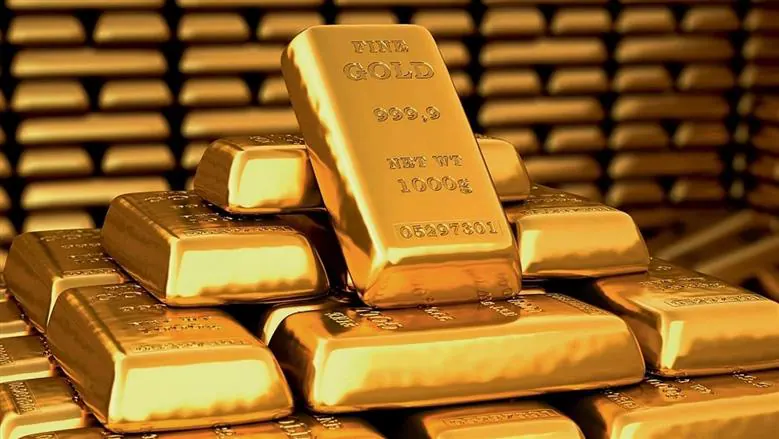
Global gold prices are experiencing a period of fluctuation as investors weigh the impact of various factors on the precious metal. The tightening of US monetary policy is one of the primary factors putting pressure on gold prices. The US Federal Reserve raised interest rates by 25 basis points to a range of 3.75%-4% in a move that has increased the opportunity cost of holding gold. This decision has made assets that generate returns, such as bonds and fixed-income instruments, more attractive to investors.
The strength of the US dollar is another factor limiting gold's gains. The dollar index rose to 100.2730 on Monday, September 21, a 0.05% increase from the previous session. A strong dollar makes gold more expensive for holders of other currencies, potentially reducing global demand for the metal. However, the Egyptian market has been relatively stable due to the stability of the exchange rate between the dollar and the Egyptian pound.
The rise in US bond yields is also adding pressure on gold prices. Higher yields make income-generating assets more attractive compared to non-yielding gold. Current data shows that US 10-year bond yields continue to rise in line with monetary policy tightening and a strong dollar. This increase in yields raises the opportunity cost of holding gold, potentially capping its short-term gains.
The US inflation rate remains a key factor influencing the Federal Reserve's decisions. The consumer price index rose by 0.1% monthly and 3.4% annually in August 2026, while the core inflation rate, excluding food and energy, increased by 0.3% monthly and 2.4% annually. These inflation levels support the continuation of the Fed's tight monetary policy, which puts pressure on gold prices.
On the other hand, the decline in oil prices has helped alleviate some inflationary pressures. This decrease has had a positive impact on gold prices in recent times. Oil prices dropped for the third consecutive session, easing concerns about supply disruptions in Saudi Arabia. Lower oil prices reduce inflation risks, potentially decreasing the need for gold as a hedge in the short term.
Global gold prices have been influenced by conflicting factors. The price of an ounce of gold rose to approximately $4,383.45 on September 18, 2026, a 0.97% increase from the previous session. Despite ending the week on a high note, gold prices have been affected by the interplay between the pressures of a strong dollar and monetary policy tightening, and supporting factors such as geopolitical tensions and long-term demand.
Despite short-term pressures, some investment institutions maintain a positive outlook for gold in the long term. UBS raised its gold price forecasts for 2026 to around $5,000 per ounce, citing expectations of limited declines to around $4,800 by the end of the year. Other institutions, such as Goldman Sachs, also express a positive view of gold's long-term prospects.
Key points
- The tightening of US monetary policy and a strong dollar are putting pressure on gold prices.
- The rise in US bond yields is making income-generating assets more attractive compared to gold.
- Despite short-term pressures, long-term forecasts for gold remain positive.