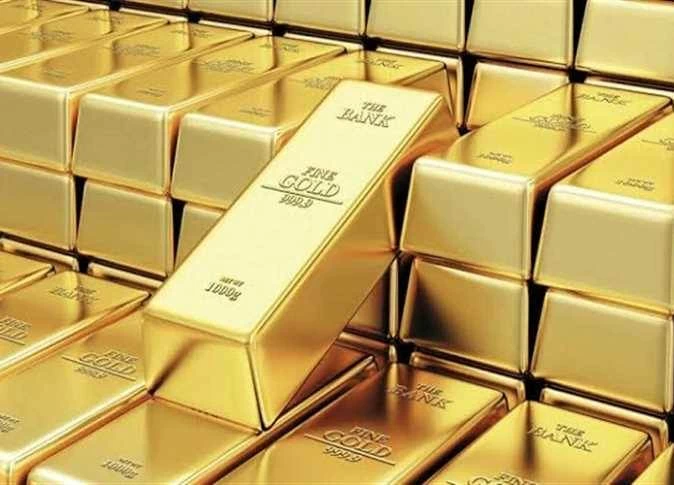
Global gold prices have stabilized on Thursday, despite facing pressure from rising oil prices and stronger-than-expected US economic data. The data has led investors to anticipate further US interest rate hikes. As of now, the global gold price has seen a slight increase of 0.2% in spot transactions, reaching $2,295.50 per ounce. Conversely, silver prices have declined by 0.2% to $24.31 per ounce, according to Reuters.
The dollar index has remained largely stable after four consecutive sessions of gains, reaching its highest level in two months. The rise in US bond yields and a stronger US dollar have added to the downward pressure on gold. Gold is highly sensitive to US monetary policy expectations, with investors evaluating the impact of rising energy prices on inflation and potential Federal Reserve interest rate hikes.
Higher interest rates reduce gold's appeal as the metal does not generate interest. This makes it less attractive compared to yield-bearing assets, especially when the opportunity cost of holding gold increases. The recent surge in oil prices, following statements from Iranian President Masoud Pezeshkian at the United Nations, has highlighted the challenges in achieving a peace agreement with Washington.
Pezeshkian stated that Iran would not permit freedom of navigation through the Strait of Hormuz as long as US sanctions and blockade remain in place. His comments have reignited diplomatic efforts between Iran and the US, with Pezeshkian expressing willingness to negotiate while resisting threats. He emphasized that Iran does not seek nuclear weapons but will not forgo its right to develop nuclear technology for economic purposes.
These developments follow US President Joe Biden's statement that US officials had conducted "very good" talks with Iranian envoys on the sidelines of the UN summit. Since the US-Iran conflict began in late February, global gold prices have declined by approximately 20%. The fluctuations in gold prices are largely attributed to energy prices and expectations of US monetary policy.
The US bond market faced new pressures after stronger-than-expected economic data and a weak government debt auction. This has reinforced expectations that inflation will remain high for an extended period. Swap markets currently anticipate at least three US interest rate hikes by April next year, compared to earlier predictions of fewer hikes.
The continuous assessment of US monetary policy and its impact on gold prices will remain a focal point for investors. As the global economic landscape evolves, market participants will closely monitor developments that could influence gold prices and US interest rates. The relationship between gold, oil prices, and US monetary policy will likely continue to play a significant role in shaping market trends.
Key points
- Global gold prices have stabilized at $2,295.50 per ounce.
- Expectations of US interest rate hikes have increased following strong US economic data.
- Rising oil prices and a stronger US dollar have added pressure on gold.