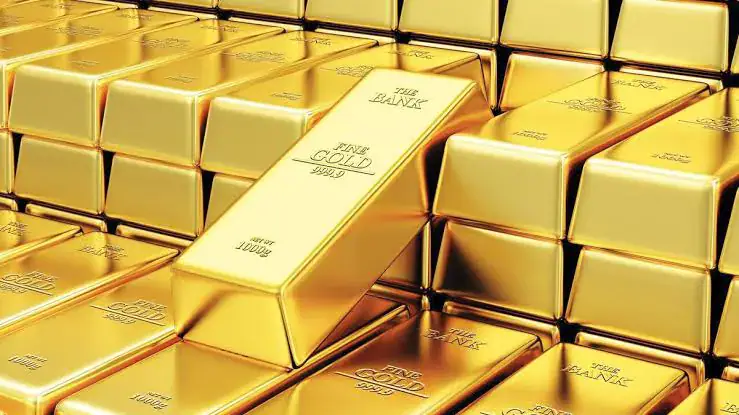
Gold prices rebounded in Asian market transactions on Monday, regaining some of the losses from the previous session that had pushed the metal to its lowest level in 14 months. As of 7:00 AM GMT, gold rose by 2.55% in spot transactions to $3628.3 per ounce. This recovery comes after the metal hit a nine-month low on Friday and recorded a nearly 9% weekly loss, its largest decline since March.
The recovery in gold prices is attributed to renewed interest in the precious metal following a recent downturn. US gold futures for December delivery increased by 3.2% to $3627.75 per ounce. This resurgence occurs as investors remain cautious about the US monetary policy, particularly after recent statements from Federal Reserve Governor Lisa Cook. On Friday, Cook advocated for continued interest rate hikes, citing that current levels are insufficient to address inflation concerns.
The prospect of further interest rate increases in the US has significant implications for gold, as higher rates increase the opportunity cost of holding the non-yielding metal. According to the CME's FedWatch tool, there is a 93% probability of an interest rate hike during the Federal Reserve's upcoming December meeting. This potential increase could dampen gold's appeal compared to other investment assets that offer returns.
Investors are now focusing on the upcoming US Personal Consumption Expenditures data, scheduled for release on Wednesday. This report is a key indicator that the Federal Reserve monitors to assess inflation developments as part of its goal to achieve a 2% inflation rate. The data's release is expected to provide crucial insights into the future direction of US monetary policy.
The recovery in gold prices was mirrored in other precious metals. Silver prices rose by 3.53% to $42.69 per ounce in spot transactions. Platinum and palladium also saw gains, with platinum increasing by 1.42% to $1304.03 per ounce and palladium rising by 1.34% to $905.15 per ounce.
The recent fluctuations in gold prices reflect the market's sensitivity to US economic data and Federal Reserve policy decisions. As investors await the PCE data, they will likely adjust their positions based on the information provided, which could influence gold prices and the broader financial markets.
The gold market's reaction to US inflation data and potential interest rate hikes underscores the complex interplay between economic indicators, monetary policy, and precious metal valuations. As the Federal Reserve continues to navigate inflationary pressures, its policy decisions will remain a critical factor in determining the future trajectory of gold prices.
Key points
- Gold prices rose over 2.5% in Asian markets amid anticipation of US inflation data.