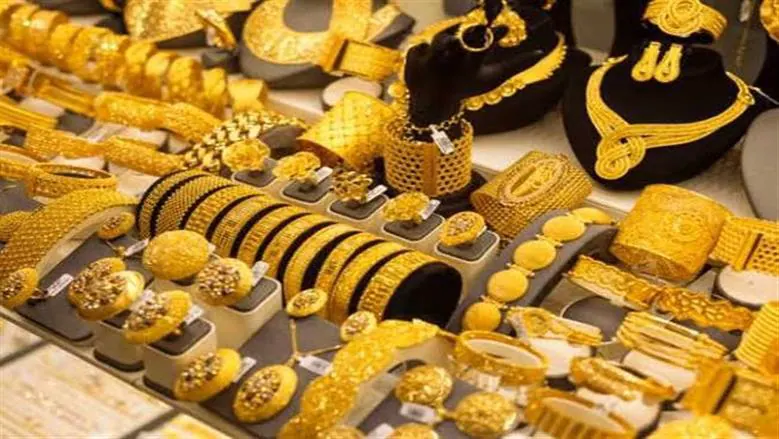
Gold prices in Egypt have experienced a decline, with 21-carat gold dropping by 105 EGP, from 6235 EGP to 6130 EGP. Meanwhile, 24-carat gold reached 7006 EGP, and 18-carat gold stood at 5254 EGP. The gold pound was traded at approximately 49,040 EGP. Globally, the ounce saw a 144 USD decrease, from 4285 USD to 4141 USD, marking the second consecutive week of losses.
According to Dr. Walid Farouk, director of the Gold Observatory for Economic Studies, the local gold price decline was less steep than the global drop due to the rising dollar value against the EGP. The dollar increased by 0.94%, from 51.91 EGP to 52.40 EGP, which offset some of the losses incurred from the global ounce price drop when converted to local currency.
The interplay between the global ounce price and the local currency exchange rate, alongside supply and demand dynamics, influences the domestic gold price. Calculations by the Gold Observatory showed that the indicative value of 21-carat gold at the week's start was around 6258 EGP, based on an ounce at 4285 USD and an exchange rate of 51.91 EGP. By the week's end, this value decreased to approximately 6104 EGP, with the ounce at 4141 USD and the dollar at 52.40 EGP.
Despite weak US data, gold prices declined due to increased bond yields and oil prices amid stalled US-Iran negotiations. Early in the week, the ounce hit a low of 4111 USD, its lowest since August 5. However, US inflation data released on Wednesday, showing a lower-than-expected price increase in August, provided temporary support to gold by easing expectations of an interest rate hike.
The US jobs report on Friday further influenced market expectations, with only 29,000 jobs added in September, below the predicted 90,000. This, combined with downward revisions in job numbers for July and August, reduced the likelihood of an October interest rate hike to around 22%. Nevertheless, bond yields remained near their highest levels in decades, reflecting ongoing concerns about inflation and long-term economic conditions.
Dr. Farouk emphasized that lowered expectations for an interest rate hike are not sufficient to sustain gold price increases as long as yields remain high. Gold does not offer a periodic return, whereas bonds provide a higher yield, increasing the cost of holding gold and pressuring investment demand. He noted that concerns over energy may impact gold with conflicting effects: heightened need for hedging against disruptions versus potential sustained inflation and high interest rates.
The gold market is anticipated to remain sensitive to upcoming data and statements from monetary policy makers. Cleveland Federal Reserve President Beth Hamock stated that recent employment data aligns with the ongoing trend in the labor market and that there is still time and information to be gathered before determining the appropriate monetary policy stance at their upcoming meeting.
Key points
- The interplay of global economic indicators and local currency fluctuations significantly impacts gold prices in Egypt.
- Expectations of interest rate hikes and bond yields continue to influence gold market trends.
- The gold market's future direction will likely be shaped by upcoming economic data releases and statements from key policymakers.