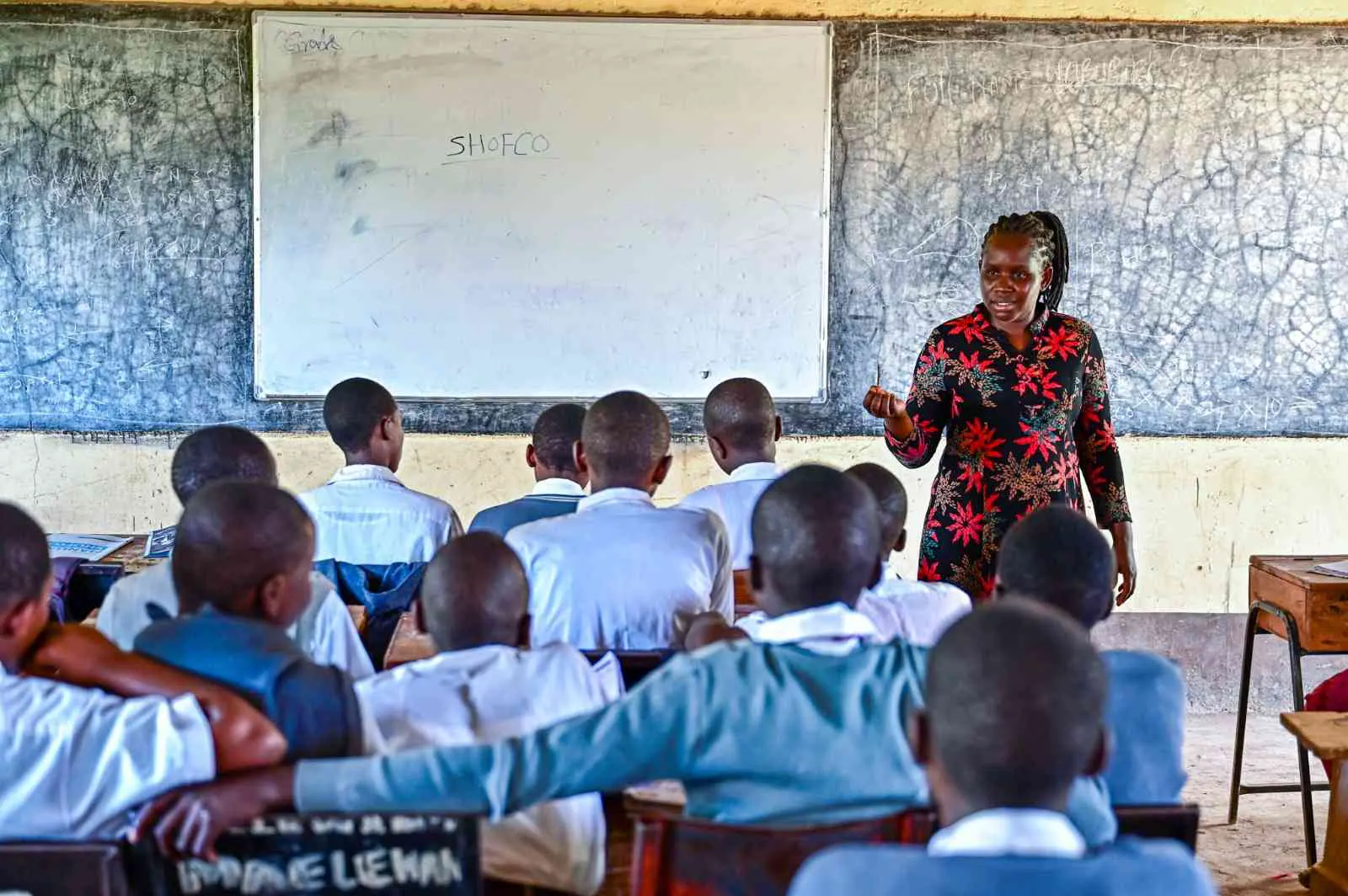
Girls in parts of Migori County are at a higher risk of female genital mutilation and early marriage due to cross-border movement with Tanzania and gold mining activities. The Kuria community, which lives on both sides of the Kenya-Tanzania border, is particularly vulnerable, making it challenging for authorities to prevent girls from being taken across the border for FGM.
According to Assistant Chief Shadrack Nyabanande of Masaba Sub-Location, eight girls were rescued in December after being taken across the border for FGM and returned to school. He notes that most of those affected are young girls, and poverty often drives these decisions. The 2022 Kenya Demographic and Health Survey estimates that FGM prevalence among Kuria women aged 15-49 is about 84%, compared to 14.8% nationally among women aged 15-49.
Magdaline, a 21-year-old mother of three, underwent FGM at 16 after being taken from Kenya to Tanzania. She says that after the procedure, she felt like a mature person and could not return to school. The only option, she thought, was to get married and start a new life. Magdaline's story highlights the devastating impact of FGM and early marriage on young girls' lives.
In Nyatike, gold mining is adding another layer of economic pressure, with officials warning that mining income can create relationships between schoolgirls and young men who have money from the trade. Migori County Director of Gender and Children Service John Ombajo says that mining has changed family dynamics in some communities, creating a financial ability to start a family among young men.
Dancun Osewe, chair of Okongo Mining Site, notes that children in mining areas face risks, including leaving school, entering labor, and exposure to HIV. He warns that gold mining should improve lives, not destroy the future of children. Urgent awareness and stronger protection are needed to prevent the wealth beneath the soil from becoming a burden on the next generation.
Jerine Ogot, a Shining Hope for Communities case worker, says economic hardship exposes women and girls to exploitation in gold-mining areas. Sex is often exchanged for fish, while FGM continues to expose girls to early marriage and other forms of violence. The Migori County Government and SHOFCO are working together to build a safe house in Macalder to provide protection and support for survivors of sexual and gender-based violence.
The safe house, according to SHOFCO founder Kennedy Odede, will respond to cases involving HIV, FGM, child marriage, and teenage pregnancy affecting girls and women across South Nyanza. The facility will link survivors to social services, law enforcement, and the courts, especially when returning home could expose them to further violence.
Key points
- The Kuria community living on both sides of the Kenya-Tanzania border is particularly vulnerable to FGM and early marriage.
- Gold mining has changed family dynamics in some communities, creating a financial ability to start a family among young men.
- A safe house is being built in Macalder to provide protection and support for survivors of sexual and gender-based violence.